In brief
The Long Island Rail Road (LIRR) is paralyzed as union workers begin a strike after negotiations with the Metropolitan Transportation Authority (MTA) failed to yield a new contract. Approximately 250,000 daily commuters are forced to find alternative travel arrangements, creating chaos in Manhattan ahead of major sporting events. Both sides are at an impasse over wage hikes and healthcare premiums, leading to public frustration directed at union leadership. Governor Hochul calls for remote work accommodations.
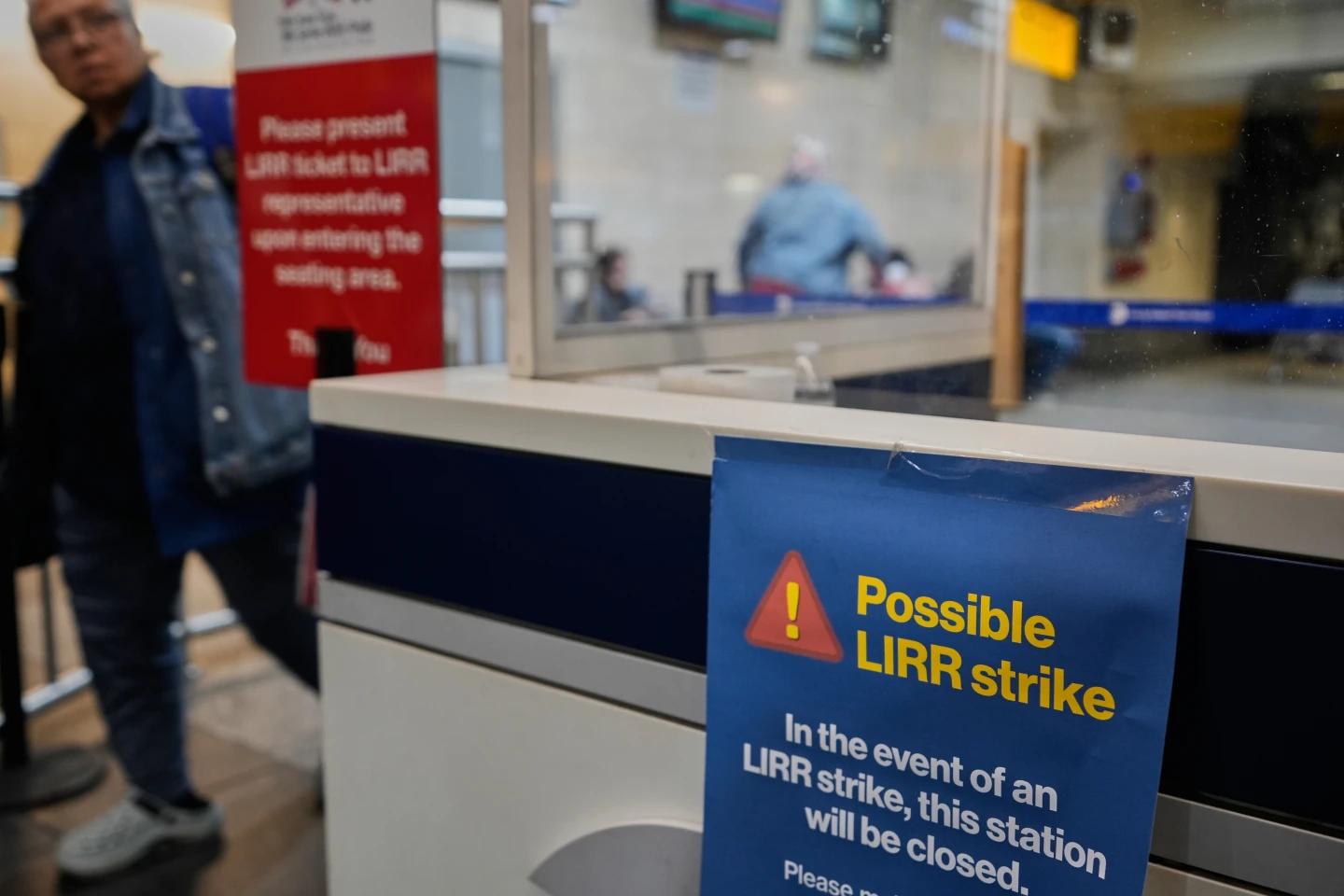
NEW YORK (AP) — Workers on New York’s Long Island Rail Road are on strike, union officials said early Saturday, paralyzing the busiest commuter rail system in North America.
Labor unions representing about half the system’s workers announced the walkout after negotiations with the Metropolitan Transportation Authority (MTA) ended Friday without a new contract. The five unions, which represent about half of the system’s 7,000 workers, including locomotive engineers, machinists, and signalmen, weren’t legally allowed to go on strike until 12:01 a.m. Saturday.
Kevin Sexton, the National Vice President of the Brotherhood of Locomotive Engineers and Trainmen, stated that no new negotiations have been scheduled. “We’re far apart at this point,” Sexton said. “We are truly sorry that we are in this situation.”
MTA Chairman Janno Lieber claimed that the agency “gave the union everything they said they wanted in terms of pay” and asserted that the unions had always intended to walk out.
This strike will force the roughly 250,000 people who ride the system each weekday to find alternative routes into New York City from its Long Island suburbs or to work from home, resulting in more vehicles on already congested highways.
“It’s gonna be such a nightmare trying to get in,” said Rob Udle, an electrician who takes the LIRR at least five days a week into Manhattan.
The strike could complicate travel for sports fans headed to Manhattan to watch the NBA’s New York Knicks playoff run or see the baseball rivals, the New York Yankees, battle the crosstown Mets this weekend.
Governor Kathy Hochul has urged LIRR riders to work from home during the walkout as the MTA plans to offer limited shuttle buses during rush hours for essential workers. She blamed the strike on union leadership: “Commuters are dealing with unnecessary dysfunction and thousands of union LIRR workers are being forced to go without a paycheck because of decisions made by a small group of union leaders,” Hochul said.
Both the MTA and the union have reported that the dispute centers around wage increases and healthcare premiums. The union had initially demanded a total raise of 16% over four years, claiming it was essential to help workers keep up with the rising cost of living. The MTA countered that meeting these demands would result in fare increases for commuters.
As the strike unfolds, commuters like Susanne Alberto, a personal trainer from Long Island, have adapted by planning virtual sessions with clients. “The union likely has the upper hand,” she expressed.
In a previous instance, a strike was temporarily avoided in September when the Trump administration intervened, but negotiations failed, leading to this current strike situation.
Workers on this commuter rail system last struck in 1994, and a similar disruption on the New Jersey Transit line lasted three days last year.