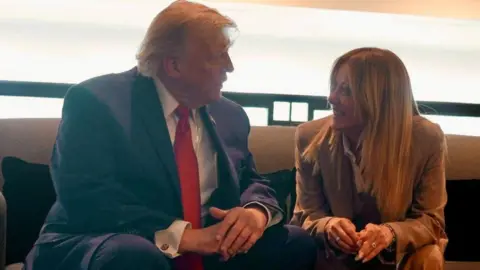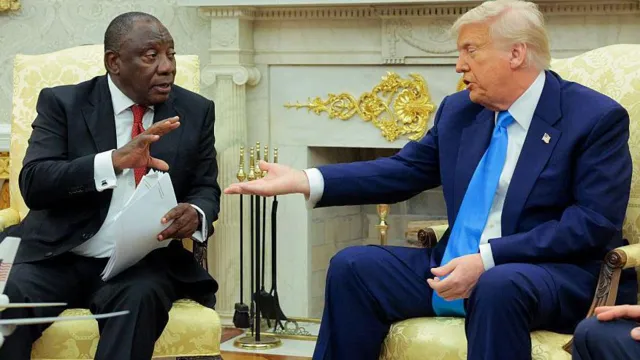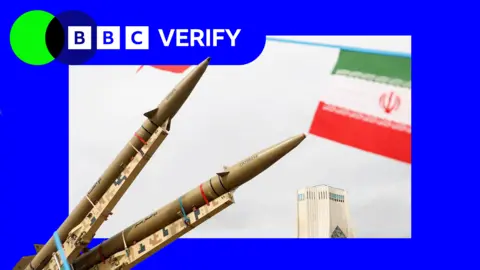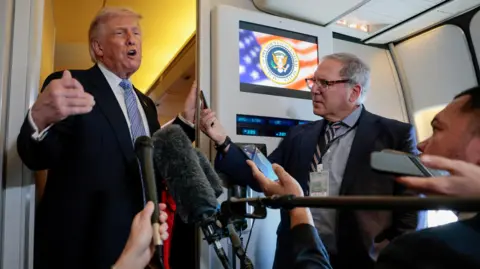
US President Donald Trump has stated that he would accept a 20-year suspension of Iran's nuclear program in a notable variation from his previous demand for an outright end to such activities. Speaking after a summit with Chinese President Xi Jinping, Trump asserted the necessity of a 'real 20 years' suspension, highlighting his diminishing patience with Iran amid stalled negotiations.
Historically, Trump feared Iran's uranium enrichment would lead to nuclear weapon development, but his new position indicates a possible strategic pivot in response to the current geopolitical climate. He remarked that while a 20-year halt is desirable, the nature of guarantees must ensure significant compliance from Iran.
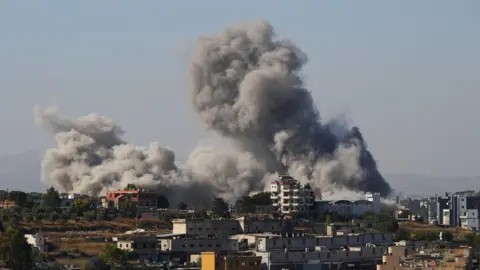
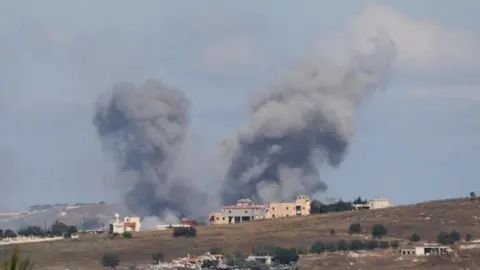
The context of these discussions has been influenced by military actions; Israeli and US forces have conducted extensive airstrikes on Iran, while a fragile ceasefire has been upheld despite limited violations.
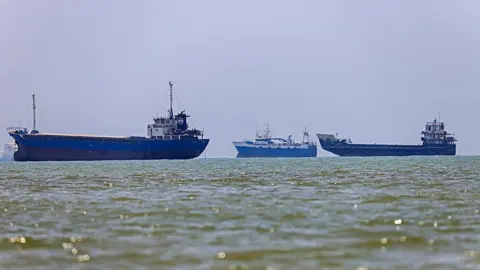
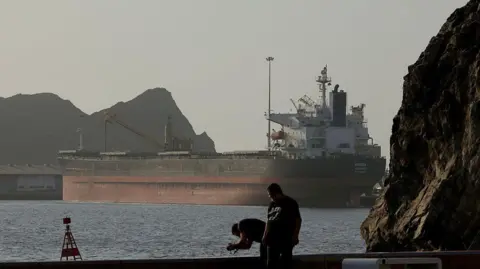
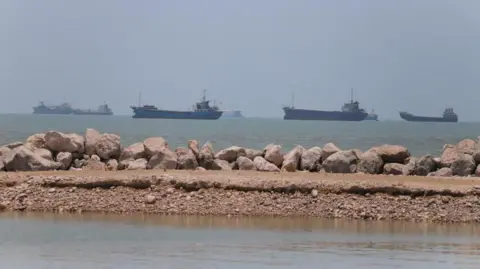
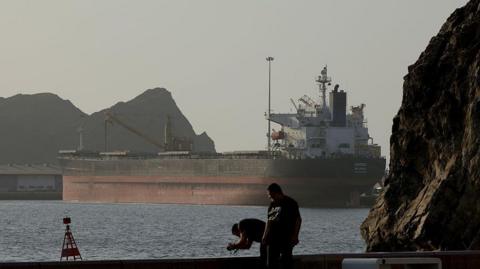
As both nations navigate their differences with mediation from Pakistan, they remain distant on proposals for peace. Iranian media claims Tehran sought an unconditional cessation of military hostilities, while the US reiterated the need to keep the Strait of Hormuz open, which remains a point of contention affecting global oil prices.
Trump's comments come after a history of vocally opposing Iran's nuclear ambitions and the 2015 nuclear agreement established under the Obama administration, which he criticized primarily for its sunset clauses allowing future nuclear activity. The regional ramifications and responses from allied nations such as Israel—such as Israeli Prime Minister Benjamin Netanyahu's insistence on dismantling Iran's uranium capabilities—will likely shape the ongoing discourse regarding both diplomacy and military strategy in the Middle East.
Historically, Trump feared Iran's uranium enrichment would lead to nuclear weapon development, but his new position indicates a possible strategic pivot in response to the current geopolitical climate. He remarked that while a 20-year halt is desirable, the nature of guarantees must ensure significant compliance from Iran.
The context of these discussions has been influenced by military actions; Israeli and US forces have conducted extensive airstrikes on Iran, while a fragile ceasefire has been upheld despite limited violations.
As both nations navigate their differences with mediation from Pakistan, they remain distant on proposals for peace. Iranian media claims Tehran sought an unconditional cessation of military hostilities, while the US reiterated the need to keep the Strait of Hormuz open, which remains a point of contention affecting global oil prices.
Trump's comments come after a history of vocally opposing Iran's nuclear ambitions and the 2015 nuclear agreement established under the Obama administration, which he criticized primarily for its sunset clauses allowing future nuclear activity. The regional ramifications and responses from allied nations such as Israel—such as Israeli Prime Minister Benjamin Netanyahu's insistence on dismantling Iran's uranium capabilities—will likely shape the ongoing discourse regarding both diplomacy and military strategy in the Middle East.