In brief
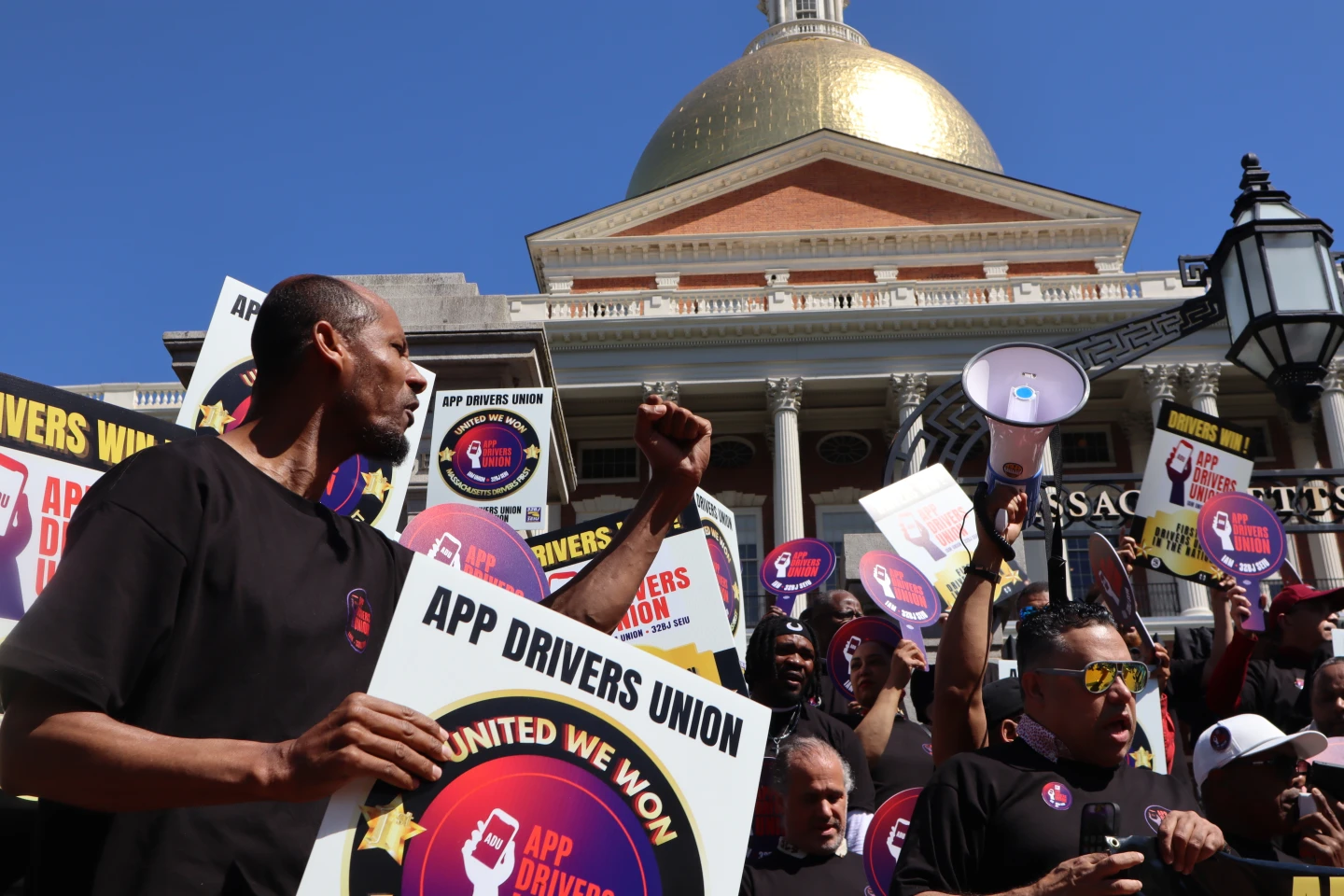
Mar 12, 2026 – On the steps of the Massachusetts State House, Uber and Lyft drivers rallied, signed up, and secured union certification, becoming the first to do so in the United States. The move follows growing pressure from gig workers who point to rising fuel and maintenance costs, volatile app‑algorithm pay, and the threat of fully autonomous vehicles. Labor organizers say the new union could give drivers a collective voice to negotiate wages, protections, and stability, while highlighting the need to keep the profits from ride‑hailing companies invested locally instead of draining to high‑tech hubs like Silicon Valley.
[ "On a crisp Tuesday morning, the front steps of the Massachusetts State House became a stage for a unique kind of protest: a rally of Uber and Lyft drivers. The activists waved signs, sang chants, and marched—feeding into a wider national movement that seeks to give gig‑economy workers a voice in the growing debate over their labor status and future.That day, the collective action landed on a decisive milestone. Massachusetts became the first state—and the first in the United Nations—to certify a labor union for ride‑hail drivers. The certification, announced by organizers and supported by dozens of drivers, could act as a litmus test for similar efforts in California, Illinois and beyond.Why is this such a big deal? While regulators treat drivers as independent contractors, many point to rising gasoline, insurance, maintenance expenses, and the opaque pay systems of Uber and Lyft as arguments that a bargaining unit will lead to more predictable, fair compensation. Drivers in Massachusetts, like Jean Fredo—who has worked Uber for over seven years—have long complained about “working longer hours while the costs spiral.”Fredo told reporters that when he first signed up with Uber, he loved the flexibility. “I could set my own schedule and still be present for my family.” Yet days later, he found himself buying expensive gas, paying for taller mileage, and losing the platform’s support with a single phone call.The union’s platform centers on three pillars: better pay with clear calculations, formal protections against unwarranted deactivations, and reduced cost burdens. The organization gains leverage to negotiate these benefits collectively, something individual drivers could not do alone.The movement faces a paradox: a booming industry that is riding wave after wave of auto‑automation may threaten to render the very jobs it feeds. Current Massachusetts law allows companies to test fully autonomous vehicles in traffic, but that is only with a licensed human present. The national debate over enabling “fully driverless commercial rides” has intensified in states like California, where companies such as Waymo already operate autonomous taxis.Julie Blust, of the App Drivers Union, notes that across the country, drivers anxiously discuss the mismatch between evolving technology and shifting pay structures. “We see depending on the city, pay is going down as companies explore automation,” she says. “Drivers want to know if they’re working for technology or a technology for their work.”Unionizing, Blust argues, gives drivers an official voice that they otherwise lack against big corporate interests. “It’s not just about wages,” she says. “It’s ensuring that the money that leaves our state stays here to support families and small businesses.”The historic certification is reminiscent of labor milestones from the mid‑twentieth century, such as the 1941 unionization of Ford autoworkers. Handshake and salute to the Massachusetts State House’s gold dome, the organizers and drivers highlighted the growing sense that gig economy workers belong on the same ladder as other blue‑collar laborers.In the months that follow, activists hope the Massachusetts union will serve as a blueprint for others. Organizing networks will keep an eye on technology trends, legal frameworks and the bargaining room in the gig economy, ready to tweak their demands as ride‑hailing companies ramp up autonomous fleets.The Union will face many objections: Uber and Lyft argue that driver freedom and flexibility are the main draws of their platforms; some city administrations see the move as disrupting the state’s transportation ecosystem. Yet the real question remains: can gig workers capture a future of labor value that has its roots in the digital age? The Massachusetts union’s confirmation suggests that the fight to answer this question may begin in the lobby steps of the State House—a place where the future of transportation and worker rights turn to partnership or conflict." ]}