In brief
The Long Island Rail Road (LIRR) shut down its services on Saturday after unionized workers went on strike due to stalled contract negotiations focusing on pay and health care benefits. The strike, the first of its kind since 1994, has left approximately 250,000 daily commuters seeking alternative transportation into New York City. Limited shuttle services have been made available, but officials warn of significant traffic congestion as more people turn to driving. As both sides remain far apart in negotiations, the impact of the shutdown continues to ripple through the region.
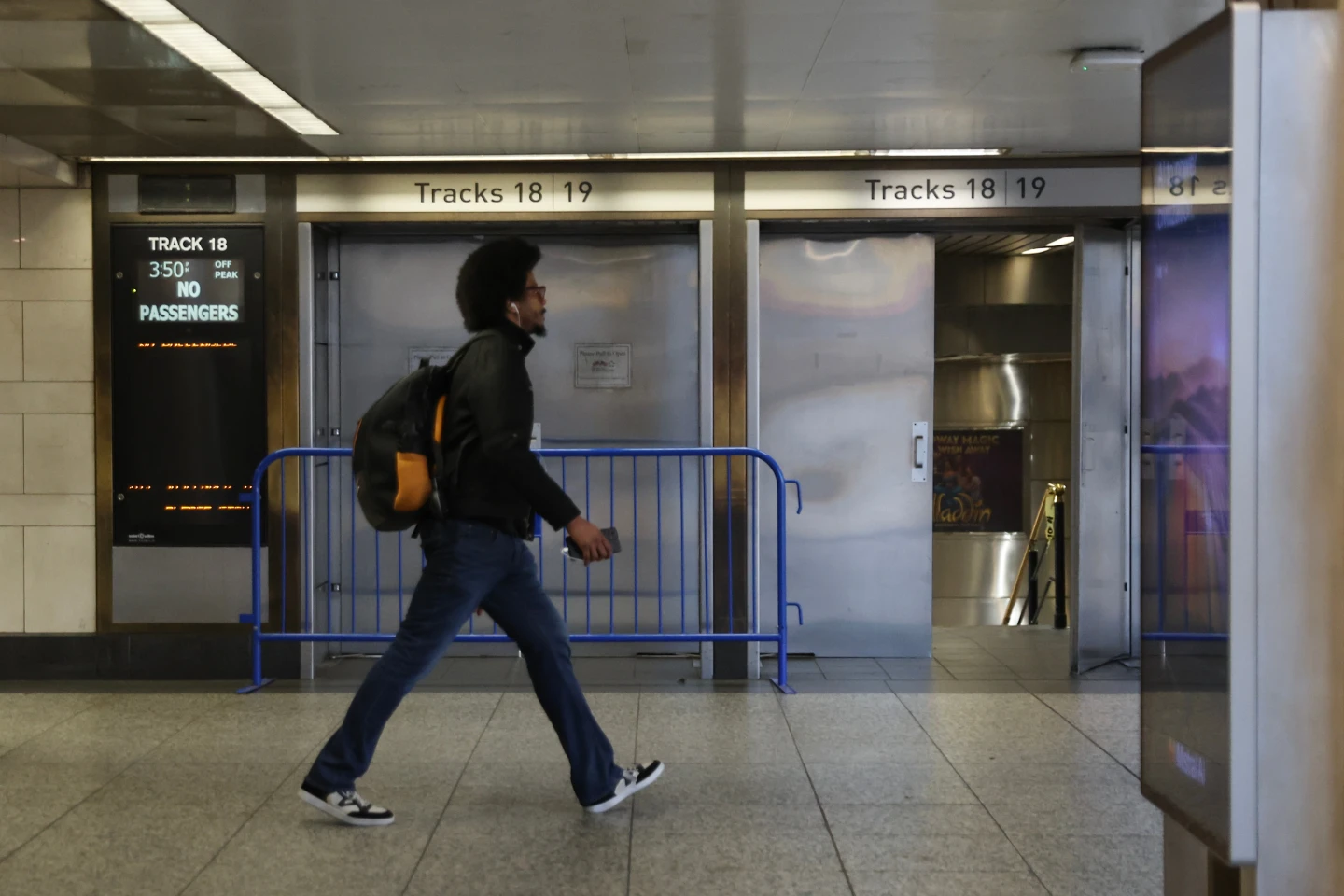
NEW YORK (AP) — North America’s largest commuter rail system was shut down Saturday after unionized workers in the New York City area went on strike.
The Long Island Rail Road that serves the city’s eastern suburbs ceased operations early Saturday morning after five unions representing about half its workforce walked off the job.
The two sides have been negotiating for months on a new contract, and President Trump’s administration had even interceded to try and broker a deal. But after negotiations stalled, the unions were legally allowed to strike starting at 12:01 a.m. Saturday.
Kevin Sexton, National Vice President of the Brotherhood of Locomotive Engineers and Trainmen, stated that no new negotiations had been scheduled, expressing regret over the situation.
“We’re far apart at this point,” Sexton said early Saturday. “We are truly sorry that we are in this situation.”
MTA Chairman Janno Lieber indicated that the agency had met the unions' demands regarding pay, suggesting there was expectation from the unions to strike.
The walkout, the first for LIRR since a two-day strike in 1994, promises to cause headaches for some sports fans planning to see the New York Yankees and Mets battle this weekend or to watch the New York Knicks playoff run at Madison Square Garden in Manhattan. Both sports venues have dedicated LIRR stops.
If the shutdown continues past the weekend, the roughly 250,000 people who ride the system to and from work each weekday will be forced to find alternative routes into New York City from its Long Island suburbs.
With Governor Kathy Hochul urging Long Islanders to work from home if possible and limited shuttle buses provided by MTA, the contingency plan was not viewed to effectively meet the passenger demand. As traffic is expected to worsen with more commuters driving, the situation faces critical impacts on those reliant on the rail services.
Duane O’Connor, a picketer, expressed his concerns regarding the strike’s impact, stating: 'All we are asking for is fair wages. Record inflation the last few years... They’re trying to lowball us.'
As the negotiations remain stalled on crucial matters of workers' salaries and health care premiums, the MTA indicated that fulfilling unions’ initial demands could lead to fare increases impacting other unions and riders in the commuting network. The unions argue that substantial raises are necessary to help workers keep pace with rising living costs.
As discussions continue, the pressure mounts on MTA officials, particularly with Governor Hochul facing reelection later this year, putting the onus on striking a deal to resolve the shutdown promptly.