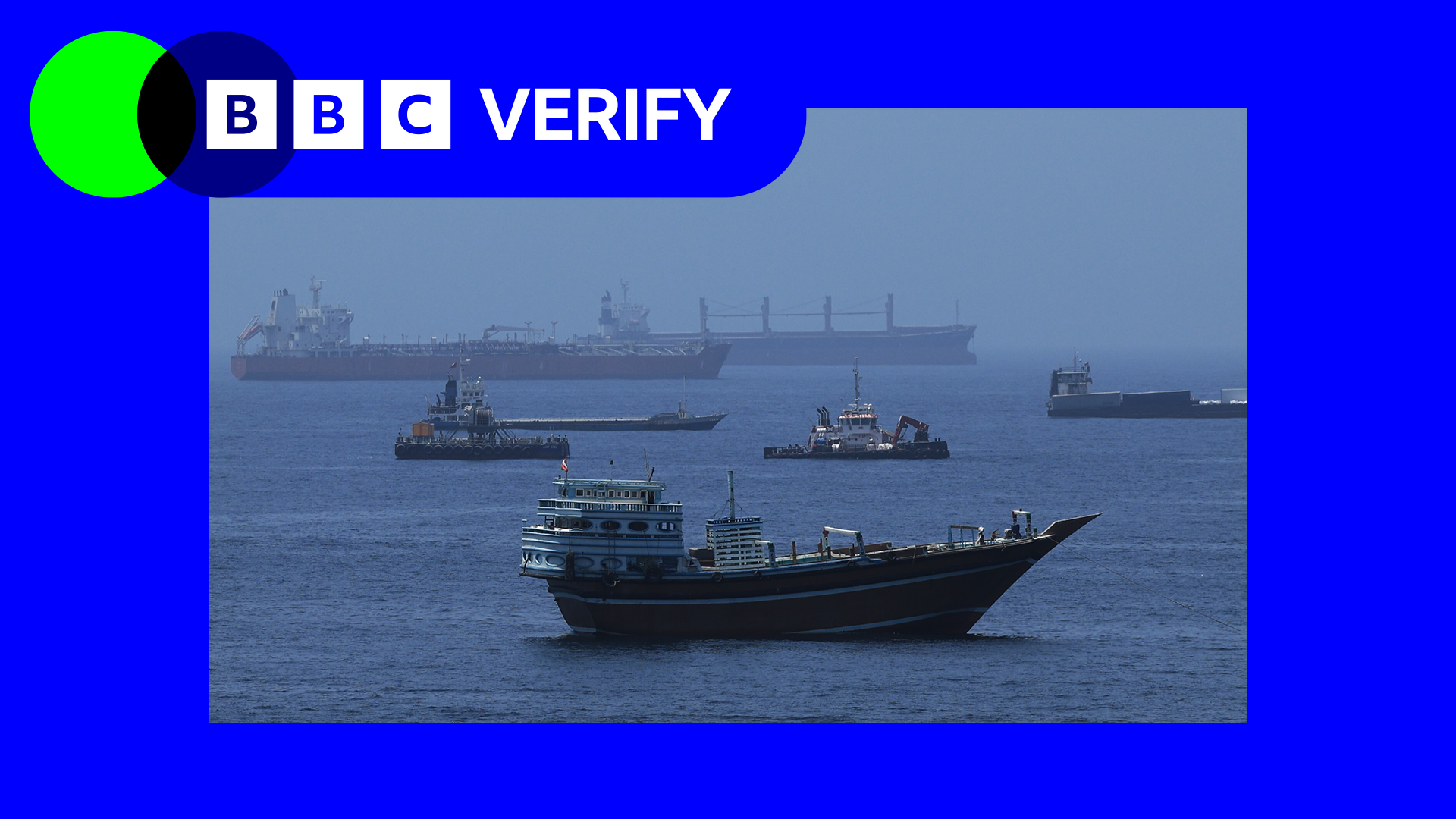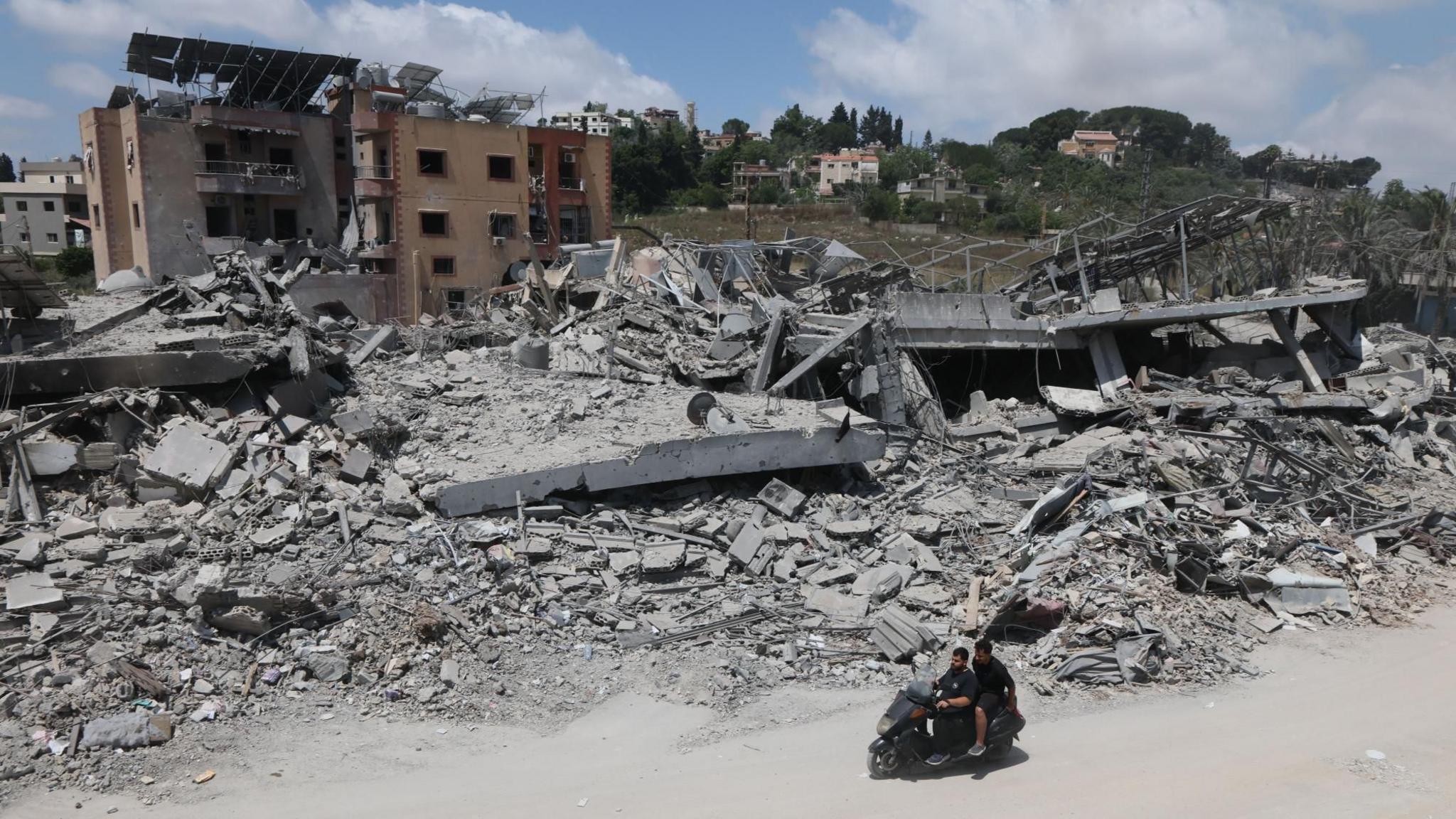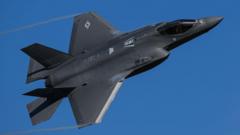
The United States announced it had carried out new precision strikes on Iranian missile sites and boats that were believed to be preparing mine‑laying operations in southern Iran. The U.S. Department of Defense said the operations were a “self‑defence” action aimed at protecting its forces from potential threats posed by Iranian forces.
Central Command spokesperson Captain Tim Hawkins said the U.S. military was “continually defending our troops while applying restraint” amid the 60‑day ceasefire that has been in place since late March. He stressed that Washington remains committed to using defensive Fire Control measures if confronted with any hostile acts.
While Iranian officials have yet to announce any official response, the Iranian foreign ministry’s spokesman Esmail Baqai previously stated that the ongoing talks—our Aim being to extend the ceasefire and address Iran’s nuclear programme—were making progress, but that no agreement was “imminent.”
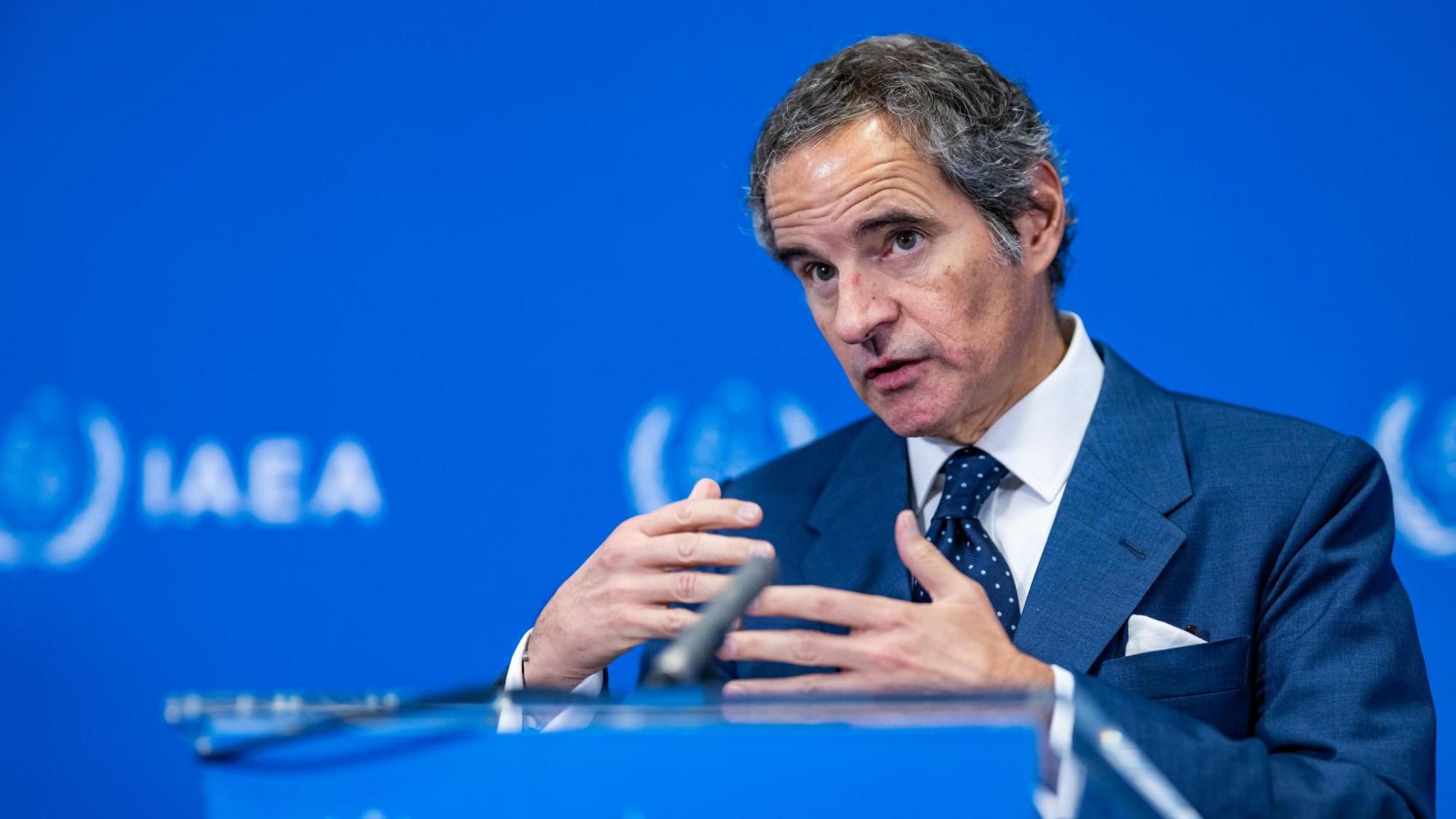
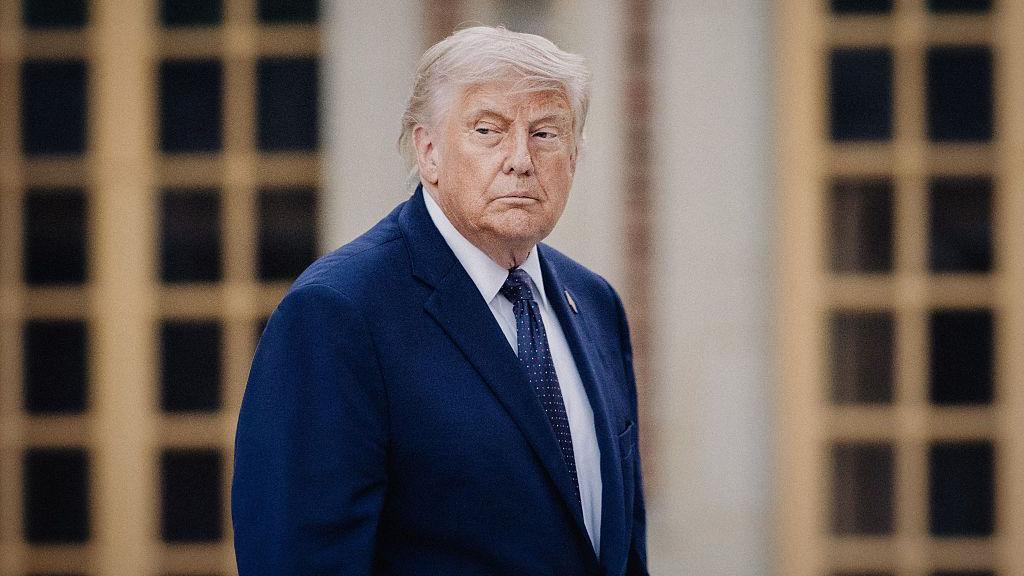
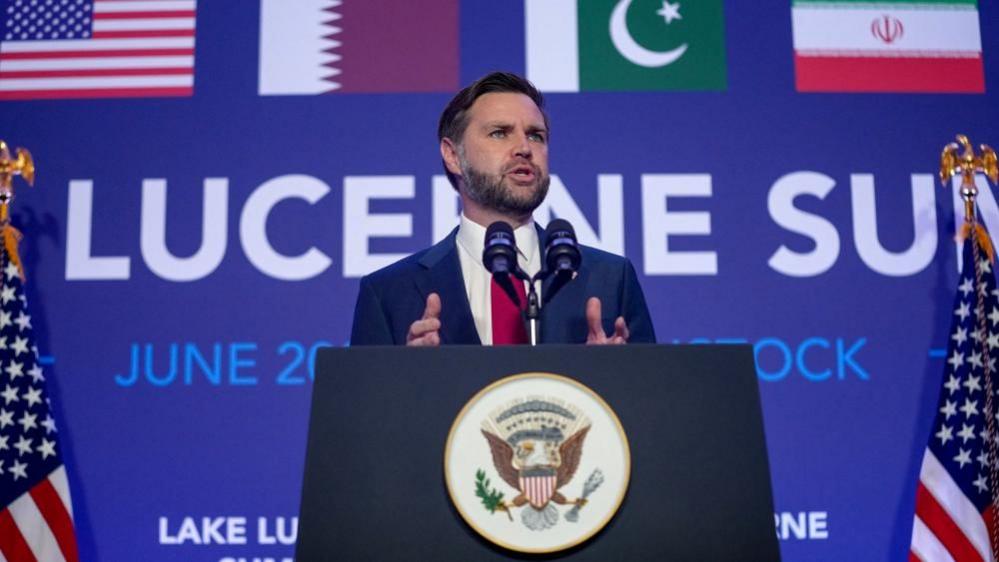
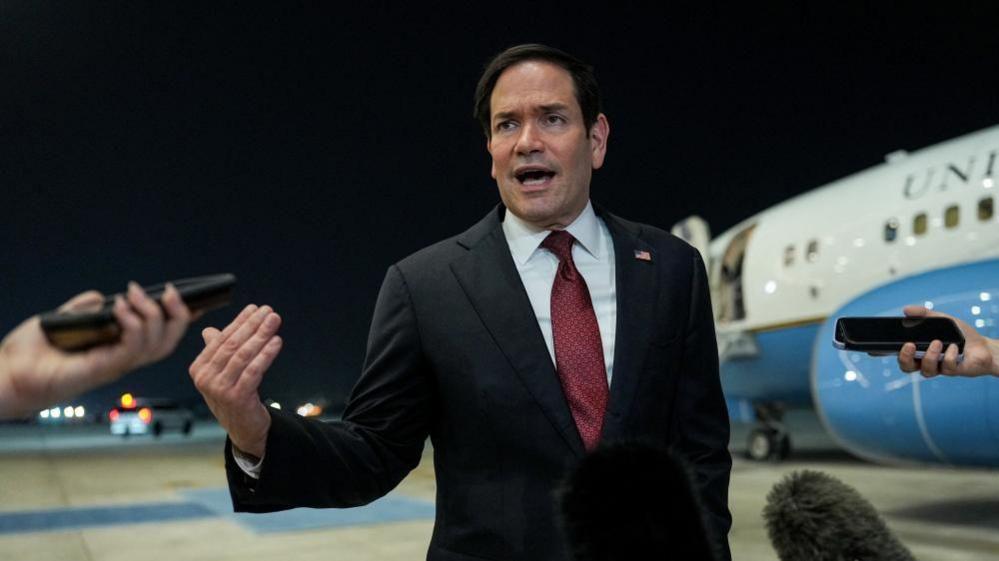
In the day that followed the strikes, President Donald Trump issued a statement that the uprated enrichment of Iranian uranium would be taken seriously. Trump said “the enriched uranium will either be handed over immediately or destroyed in cooperation with Iran.” Meanwhile, Secretary of State Marco Rubio told reporters during a diplomatic trip to India that a deal “could still be reached,” citing discussions that involve a barter on the Strait of Hormuz.
Robbins quoted Rubio as saying the traffic lanes around the Strait must stay open for humanitarian reasons. “It is unacceptable that they [Iran] shut the strait step to block vital shipping.” Rubio also communicated that a “good deal or no deal” was the only realistic outcome – an assertion that mirrors the stance of his predecessor.
The article’s visual map paints an image of Iran’s southern coastline, listing ports such as Imam Khomeini, Kharg Island and Bandar Abbas which sit along the Persian Gulf. The map clarifies that Bandar Abbas hosts a nav‑base for Iran located adjacent to the Strait of Hormuz.
Earlier in May, a naval clash between Iranian and U.S. destroyers triggered President Trump’s insistence that a ceasefire existed, while the U.S. urged for a broader safety forum across the region. Trump’s position earlier in the week was that the parties were “close to a deal” but he stressed that negotiators “were not to rush.” The State Department’s remarks emphasise that there is a broader Mariabogue perspective on how to reopen the Strait.
According to U.S. sources, the Iranian Supreme Leader Mojtaba Khamenei is believed to be in an undisclosed stronghold after a strike that killed his father and predecessor on the first day of the conflict, complicating the dialogue. As a result, the negotiating process is likely to be slowed, a pattern already recognised by many of Trump’s advisers.
Can the United States use the new strikes to strengthen its position? The answer remains uncertain; the Norwegian press retails that two issues may impact the final settlement – substantive issues such as sanctions relief, funding for the Iranian economy and U.S. demands that drive Iran to halt nuclear ambitions.
The U.S. and Israel launched a series of high‑profile strikes on 28 February that almost overnight turned the Middle East into lines of fierce conflict. The attacks not only affected the ground battlefield in the south with the Iranian presidential parties but also effectively closed the Strait of Hormuz. U.S. officials say the two sides would kill any other revolution that could potentially arise from the country.
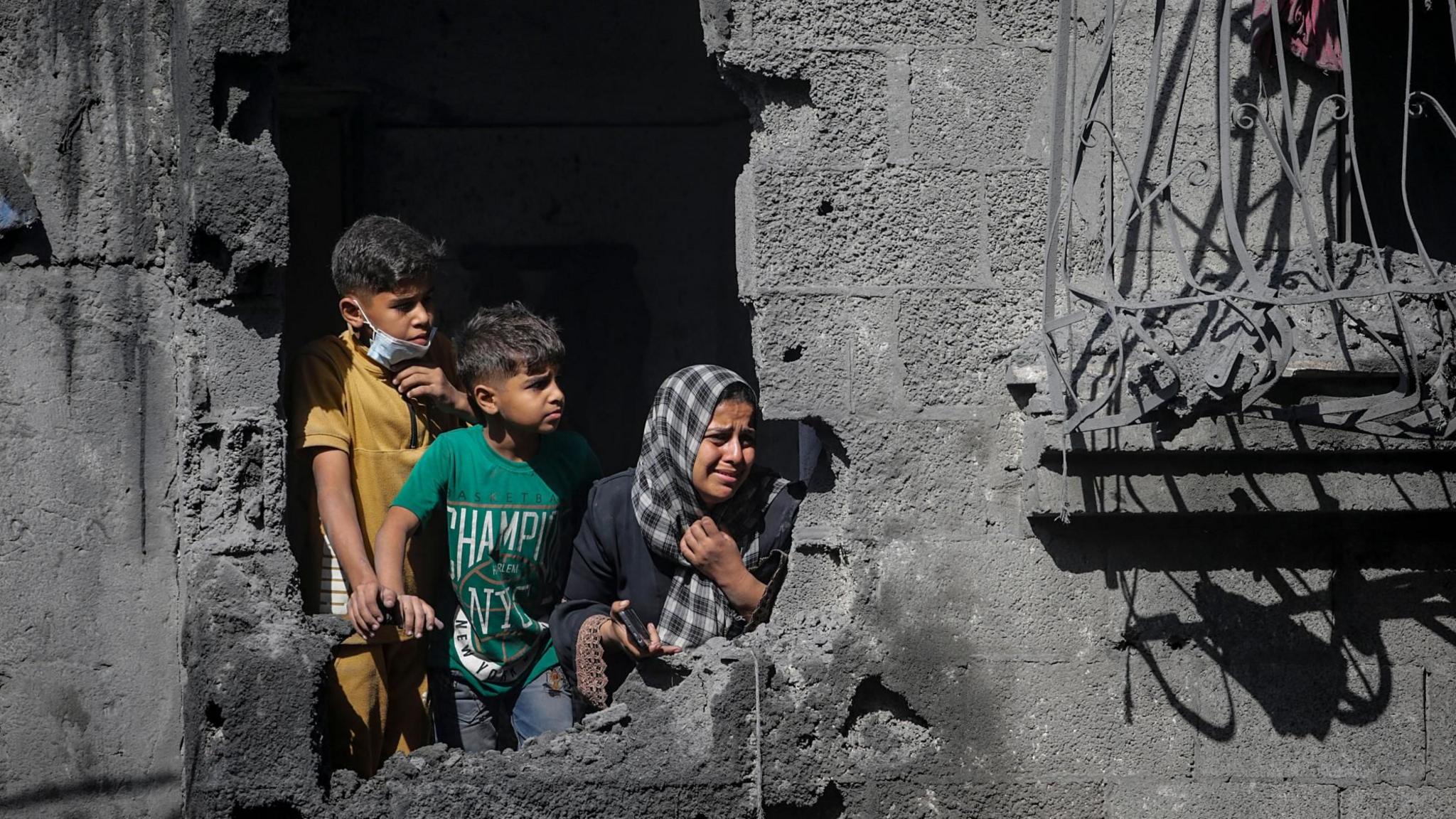
At present, for the U.S., the world is witnessing an industry of a potentially humanitarian crisis in the region, especially the safety of children who are forced to see that new nuclear process of war as a matter of national.
Overall, the multi‑evoked news is a warning that “while talks can help, the conflict can also push society to the brink.”
Central Command spokesperson Captain Tim Hawkins said the U.S. military was “continually defending our troops while applying restraint” amid the 60‑day ceasefire that has been in place since late March. He stressed that Washington remains committed to using defensive Fire Control measures if confronted with any hostile acts.
While Iranian officials have yet to announce any official response, the Iranian foreign ministry’s spokesman Esmail Baqai previously stated that the ongoing talks—our Aim being to extend the ceasefire and address Iran’s nuclear programme—were making progress, but that no agreement was “imminent.”
In the day that followed the strikes, President Donald Trump issued a statement that the uprated enrichment of Iranian uranium would be taken seriously. Trump said “the enriched uranium will either be handed over immediately or destroyed in cooperation with Iran.” Meanwhile, Secretary of State Marco Rubio told reporters during a diplomatic trip to India that a deal “could still be reached,” citing discussions that involve a barter on the Strait of Hormuz.
Robbins quoted Rubio as saying the traffic lanes around the Strait must stay open for humanitarian reasons. “It is unacceptable that they [Iran] shut the strait step to block vital shipping.” Rubio also communicated that a “good deal or no deal” was the only realistic outcome – an assertion that mirrors the stance of his predecessor.
The article’s visual map paints an image of Iran’s southern coastline, listing ports such as Imam Khomeini, Kharg Island and Bandar Abbas which sit along the Persian Gulf. The map clarifies that Bandar Abbas hosts a nav‑base for Iran located adjacent to the Strait of Hormuz.
Earlier in May, a naval clash between Iranian and U.S. destroyers triggered President Trump’s insistence that a ceasefire existed, while the U.S. urged for a broader safety forum across the region. Trump’s position earlier in the week was that the parties were “close to a deal” but he stressed that negotiators “were not to rush.” The State Department’s remarks emphasise that there is a broader Mariabogue perspective on how to reopen the Strait.
According to U.S. sources, the Iranian Supreme Leader Mojtaba Khamenei is believed to be in an undisclosed stronghold after a strike that killed his father and predecessor on the first day of the conflict, complicating the dialogue. As a result, the negotiating process is likely to be slowed, a pattern already recognised by many of Trump’s advisers.
Can the United States use the new strikes to strengthen its position? The answer remains uncertain; the Norwegian press retails that two issues may impact the final settlement – substantive issues such as sanctions relief, funding for the Iranian economy and U.S. demands that drive Iran to halt nuclear ambitions.
The U.S. and Israel launched a series of high‑profile strikes on 28 February that almost overnight turned the Middle East into lines of fierce conflict. The attacks not only affected the ground battlefield in the south with the Iranian presidential parties but also effectively closed the Strait of Hormuz. U.S. officials say the two sides would kill any other revolution that could potentially arise from the country.
At present, for the U.S., the world is witnessing an industry of a potentially humanitarian crisis in the region, especially the safety of children who are forced to see that new nuclear process of war as a matter of national.
Overall, the multi‑evoked news is a warning that “while talks can help, the conflict can also push society to the brink.”