U.S. Sanctions Target the ICC’s Resources and Operations
The Trump administration announced sweeping new sanctions against the International Criminal Court (ICC), effectively prohibiting U.S. companies and individuals from providing goods, services, or financial transactions to the court.
Secretary of State Marco Rubio said the measure was meant to “defend U.S. sovereignty” and warned that the ICC’s investigations could target American nationals. He added that the United States would not allow the court to prosecute its citizens: “Either the ICC will end its threats, or we will end the ICC.”
The ICC has written back, calling the sanctions an “assault on the rule of law” and a deliberate intimidation of countries that cooperate with its work. It has insisted the international court will persist in pursuing its mandate, citing investigations of U.S. forces in Afghanistan and arrest warrants for Israeli officials as evidence of its reach.
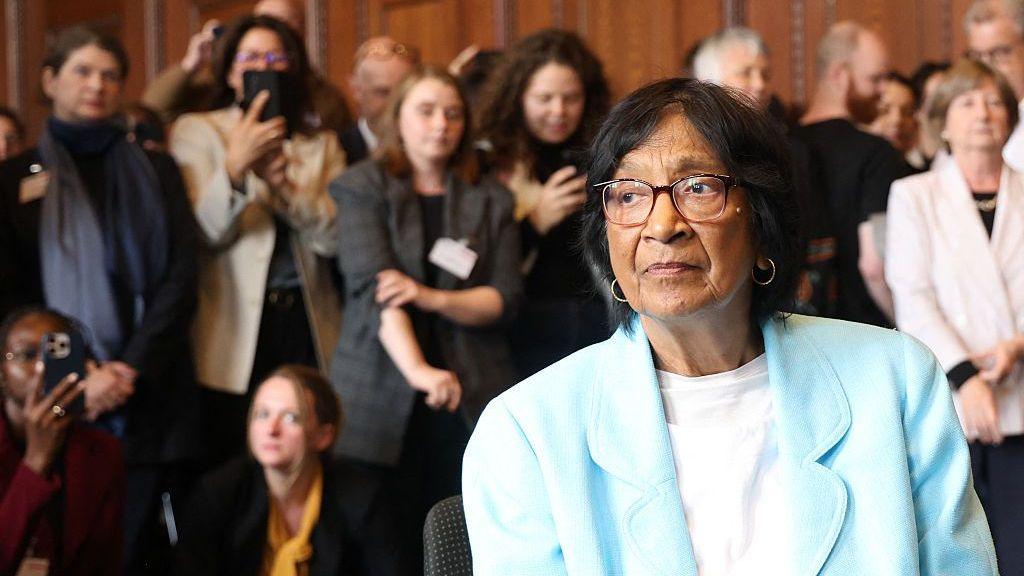
The sanctions moved swiftly after former ICC judge Navi Pillay was honored with the 2026 Nobel Peace Prize for her advocacy of international law. Washington had previously criticised the Nobel Committee’s choice, and President Trump had expressed a desire to receive the award himself.
The new restrictions cover a range of services including banking, software, and other support functions essential to the ICC’s daily operations. U.S. businesses are now required to comply with the ban or face penalties, a step that could cripple the court’s ability to enforce its mandates.
Secretary Rubio said the administration had delayed the sanctions in hopes that the ICC and its member states would address U.S. concerns, but he also called on allied signatories to rein in the institution’s influence.
The move marks a sharp escalation in the long‑standing U.S. dispute with international justice mechanisms, potentially destabilising the global legal order and raising questions about the future of multilateral accountability.