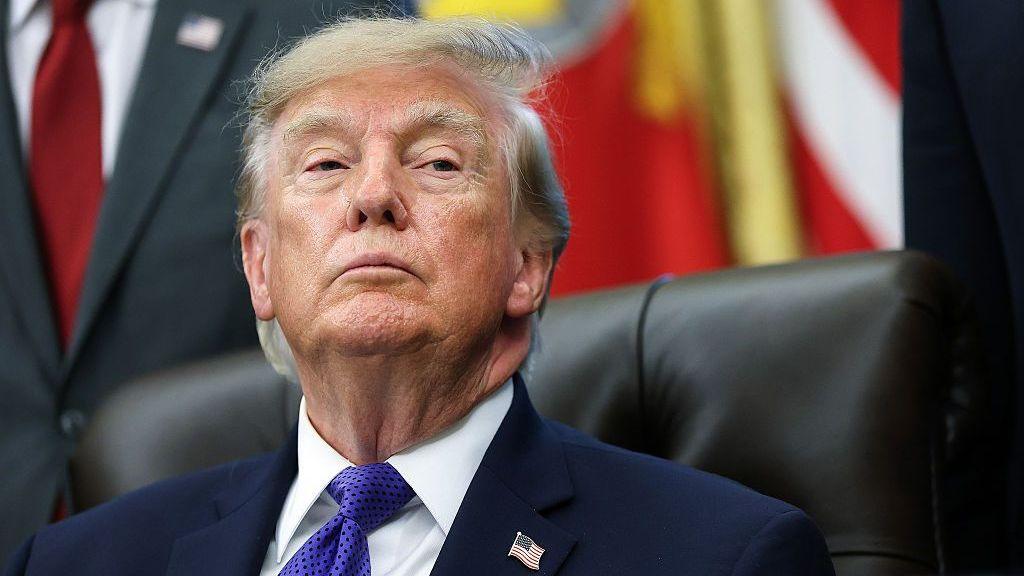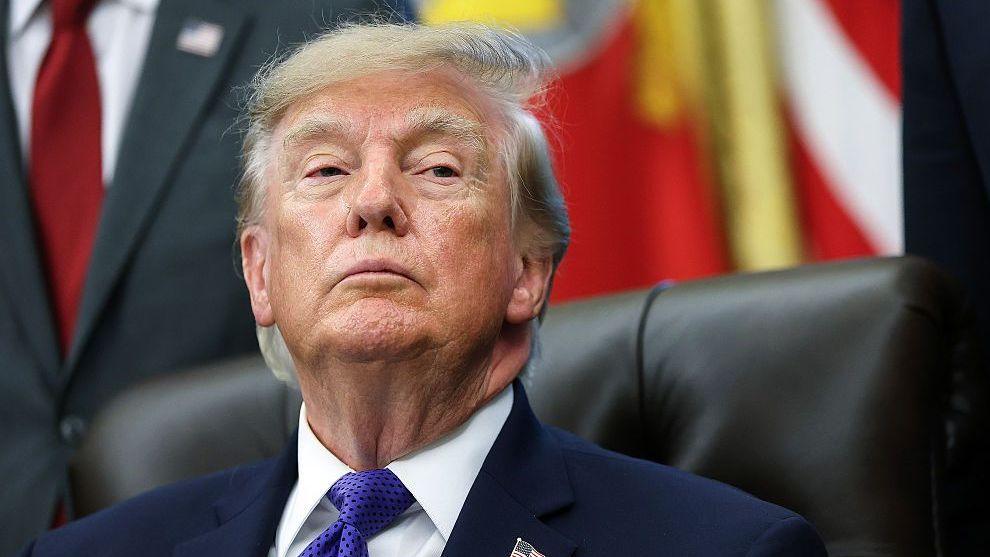
As Donald Trump keeps his sights on the 2026 midterm elections, he’s loud‑speaker‑style defending the nation's economic foundation, insisting that headline numbers prove his record is unmatched even if the media silence it.
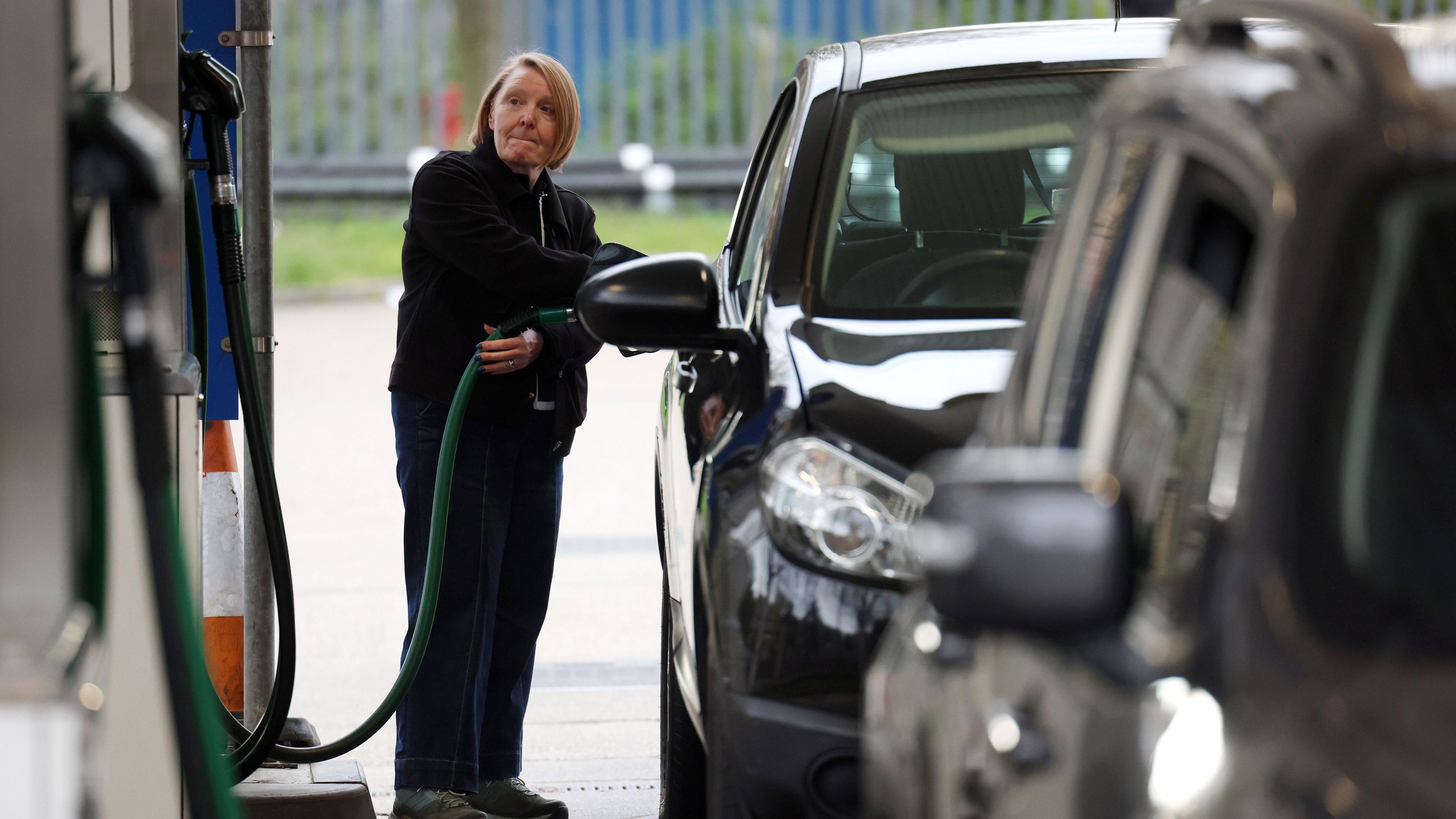
Meanwhile, voter sentiment tells a different story. YouGov finds that 63% feel the economy is worsening, and USA’s polls count a mere 17% approving Trump’s handling of cost‑of‑living issues. Inflation sits at 3.4%, and everyday prices—gas, beef, housing—have spiked, leaving many citizens grasping for affordability.
In Florida, the state most faithful to Trump for three elections, congressman Byron Donalds—who backing Trump in 2024—has adopted a dual approach. He praises Florida’s growth while also tying his campaign to “affordability” for retirees, teachers, and other frontline workers, a departure from the president’s dismissal of those concerns as a “hoax.”
Other Republican leaders across the country are feeling similar pressure. In Texas, Governor Greg Abbott joined a “rural affordability roundtable,” while in Iowa, Congresswoman Ashley Hinson announced an agenda aimed at reducing the bottom‑line costs for residents. The messages are consistent: raise the stakes on costs while courting the pro‑Trump base.
Curtain‑call politics gets even more nuanced when the Republican ticket heads to battleground states. The GOP’s fundraising edge is clear but may not compensate for a disconcerting drop in voter enthusiasm. Pollsters note that high‑profile Republican candidates—like Florida’s Avila or Texas’ D. this is a key driver that, coupled with economic anxiety, can threaten even traditionally safe seats.
Trump’s strategy is a paradox. He repeatedly tells voters the positives are hidden by poor public relations, while at the same time stepping back from the midterm fight or insisting that his personal popularity protects his party. This ambivalence forces his allies to decide whether their campaign narratives should echo his loud economic claim or diverge toward addressing everyday financial headaches.
Ultimately, the midterms have become a test of how much Republicans can keep their “economically zealous” image without alienating voters hounded by higher prices. For those who plan to remain close to Trump—as in Florida’s Byron Donalds—they risk losing districts that feel the economic pressure, while those who dare to step away risk the far‑reaching influence of a president who has always locked his rhetoric into the party’s success.