
As dawn broke over the southern border 24 years after Israel’s founding, a small group of Kfar Aza residents quietly set out for the kibbutz armoury – a site that would later become the scene of one of the country’s darkest days.
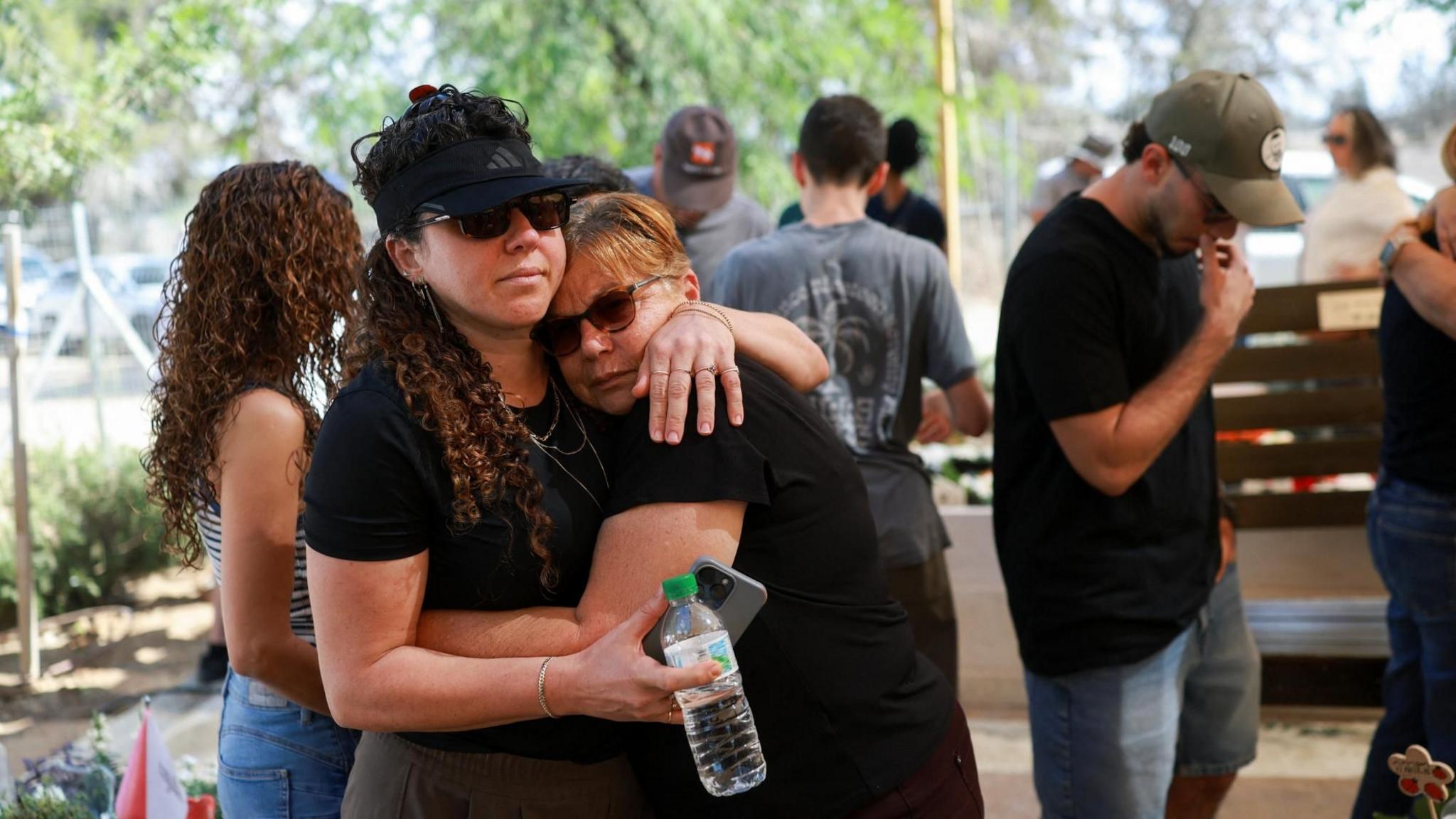
On 7 October 2023, gunmen from Hamas boarded the base, killing half the 14‑member civil defence squad. Sixty‑two members of the community were killed and nineteen were taken hostage. Three years later, the pain remains sharp, and the call for answers has intensified.
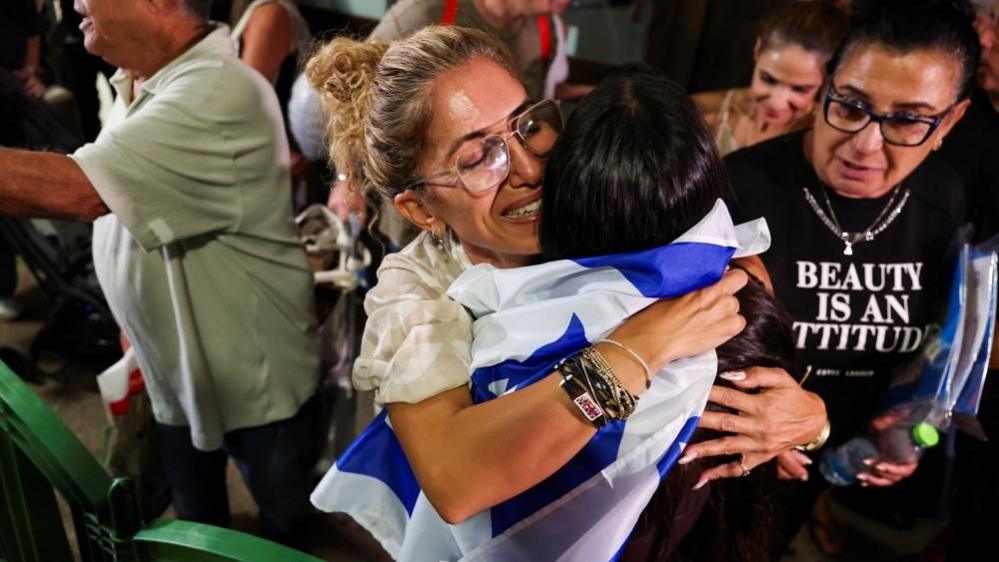
Inbar Goldstein, whose brother and niece perished, told reporters in Jerusalem, “I need my country to take responsibility.” She joined thousands of others at a memorial where candles were lit and vows were made: an independent state inquiry must be established.
The public’s frustration is underlined by claims that the attack could have been prevented. Critics point to warnings issued by Israeli defence forces and, according to Haaretz, a call from the United Arab Emirates’ senior statesman to Netanyahu a full ten days before the assault. Netanyahu’s office has dismissed the story as a lie and threatens legal action.
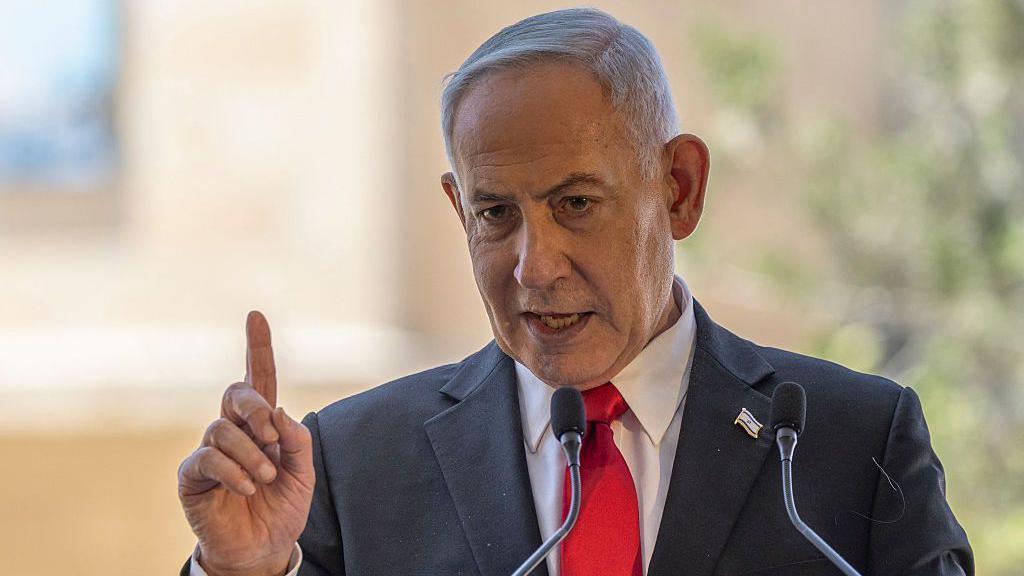
The Prime Minister has repeatedly denied any personal culpability, insisting that it was the Israeli intelligence’s decision not to wake him. He remains in the electoral race on the promise of stronger security, a stance that divides voters: some see his experience as protection, others as a taint on Israel’s future.
Opposition politicians, including former minister Yizhar Shai and Likud rival Gadi Eisenkot, have urged the Supreme Court to force the establishment of a body that would audit the events of 7 October. With a national commission being postponed due to legislative delays, protests have escalated in Tel Aviv.
The 7 October tragedy is no longer a distant memory but a pivotal issue in Israel’s political landscape, shaping public opinion ahead of the forthcoming elections and testing the nation’s resolve to confront past failures.