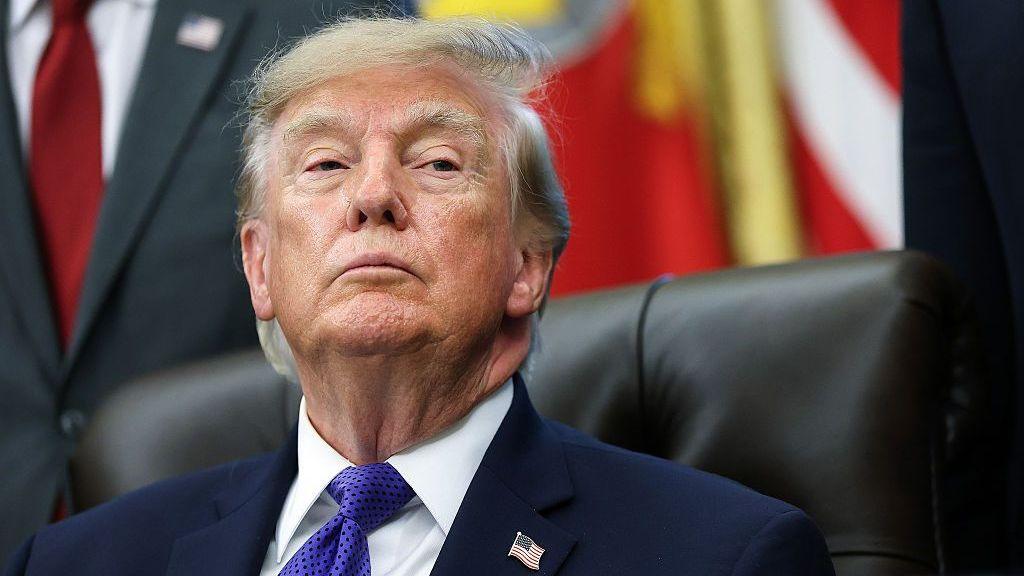
Trump has confirmed a scheduled call with Russian President Vladimir Putin to discuss the death of a 28‑year‑old laboratory worker at an anti‑plague institute in Irkutsk, Siberia.
The victim, named as Darya Shipilova, reportedly fell ill after a laboratory incident or a field trip conducted near natural plague reservoirs. Russian health authorities say an autopsy found no pathogens linked to her work and that there is no epidemic risk to the local population.
Trump told reporters he does not believe the death is a bioweapon, adding, “we’re going to find out soon enough, but we don’t think so.” He referred to Russian officials as having the situation under control.
The World Health Organization’s director‑general, Tedros Ghebreyesus, has called for open reporting from Moscow and for further testing of the deceased. He also warned that a secondary claim of a worker with undetermined pneumonia could not be dismissed.
In response, the Kremlin’s spokesman Dmitry Peskov said Russia had already reported the death to WHO and denied any media manipulation. The United States sent a diplomatic note requesting additional information, a move Moscow says it is unaware of.
Neighboring Mongolia has imposed health surveillance on its border with Russia, while Lithuania’s health ministry has readied treatment protocols and isolation facilities should any case emerge in its borders.
Pneumonic plague, the most virulent form of the disease, can spread through flea bites, contact with bodily fluids, or inhalation of respiratory droplets. Its incubation period can be as short as 24 hours, making rapid identification and treatment essential to prevent fatalities.
Experts highlight the historical impact of plague, noting its devastating role in the Black Death of the 14th century, while modern institutes such as the Anti‑Plague Institute of Siberia and the Far East aim to monitor and prevent future outbreaks.
The episode has drawn sharp international scrutiny, with U.S. Secretary of State Marco Rubio offering aid in case the situation escalates beyond the levels declared by Russian authorities.