U.S. and Lebanon shelter wanted Syrian general amid chemical‑weapon probe
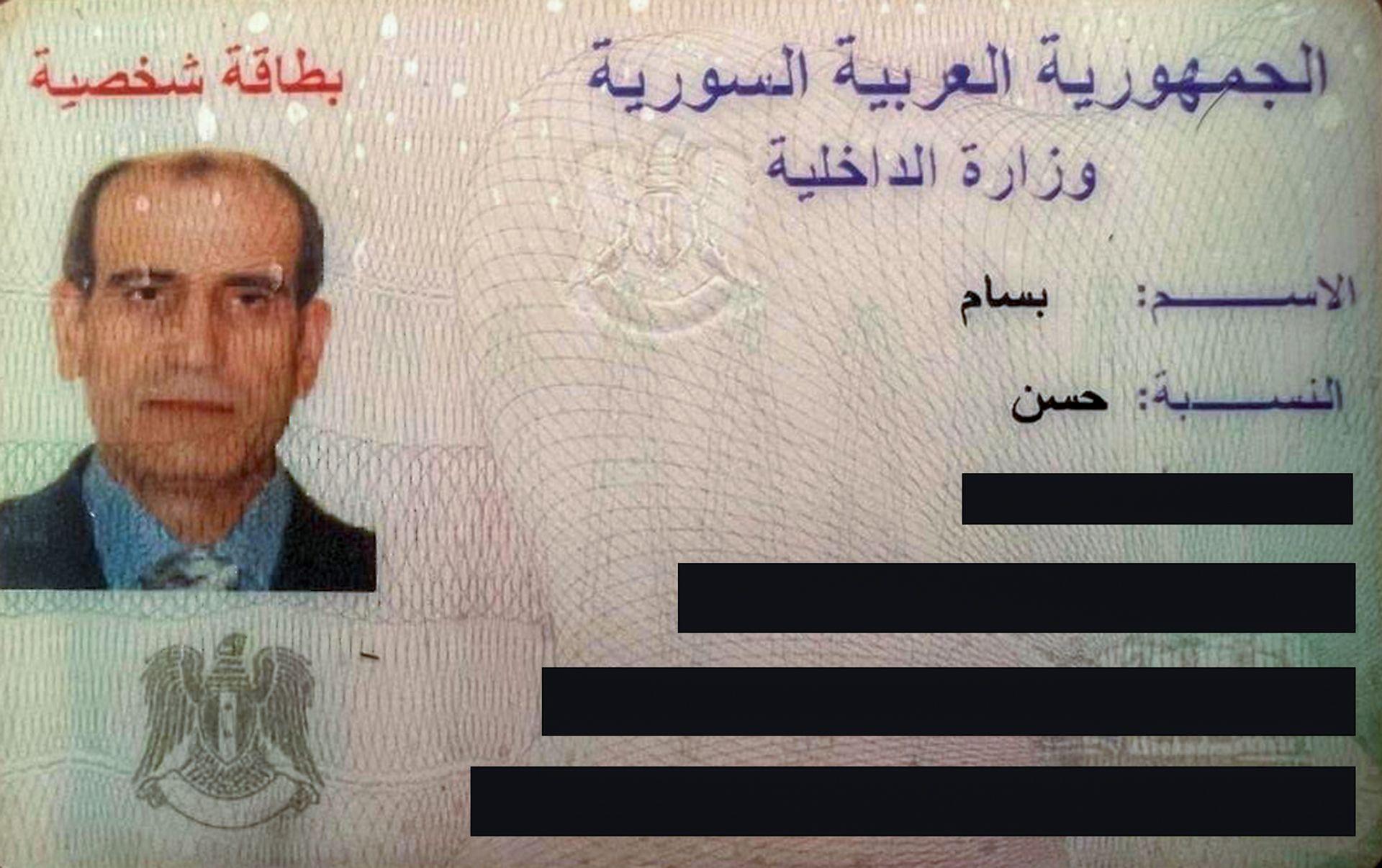
A BBC investigation has uncovered that the United States and Lebanese authorities are providing protection and financial support to former Syrian general Bassam al‑Hassan, who is sought for crimes against humanity tied to Syria’s chemical weapons programme.
Al‑Hassan, a former senior adviser to President Bashar al‑Assad, oversaw the regime’s chemical weapons production and has been linked to the 2013 killings in Ghouta.
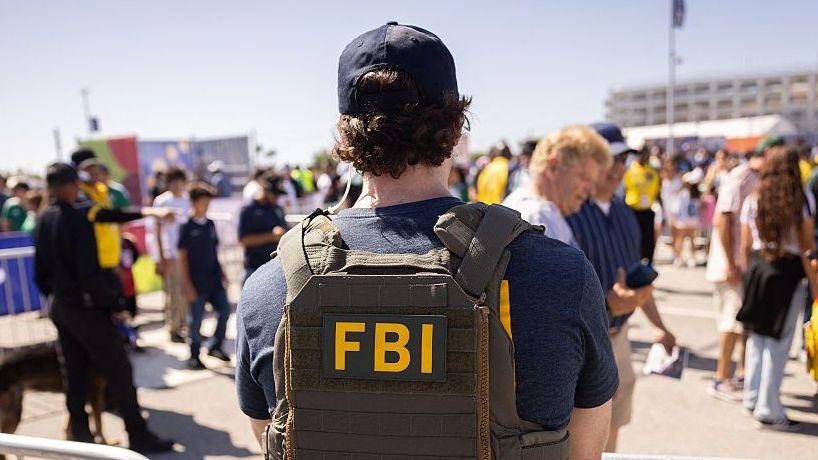
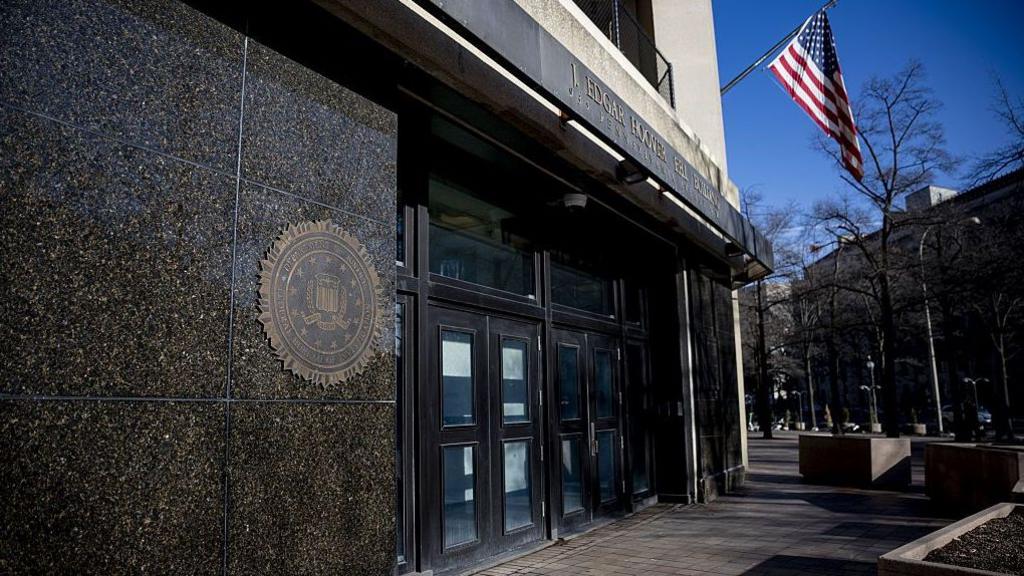
According to the BBC and NPR, Beirut’s intelligence services and the FBI agreed to keep al‑Hassan in Lebanon in exchange for information about the 2012 abduction of United States journalist Austin Tice. The deal also promised al‑Hassan “residency”, protection and living support.
Tice’s case has become the focal point of the arrangement. Al‑Hassan testified that Tice was executed at the behest of Assad, but investigators have questioned the truth of the claim, as no body has been found at the site he supplied. Reports indicate the U.S. stopped digging early, citing security concerns, and the information gathered has yielded no decisive evidence.
The Tice family and Syrian officials have condemned the arrangement, arguing that U.S. tax dollars are effectively funding a war‑criminal. “We deserve justice,” the family spokesperson said. “He should stand trial.”
Al‑Hassan is not the only former regime official benefitting from international shielding. Other former aides, including Mohammad Makhlouf and Sakr Rustom, are believed to be residing in Lebanon, the United Arab Emirates or other countries, while still receiving support that was allegedly tied to intelligence cooperation.
The BBC has said that, while U.S. and Lebanese authorities maintain that they cannot extradite al‑Hassan, Syrian officials in Damascus demand his return to face trial. The case raises questions about the limits of international law and the potential for impunity that rests beyond the reach of sovereign courts.