Kfar Aza cries for accountability three years after Oct 7 attacks
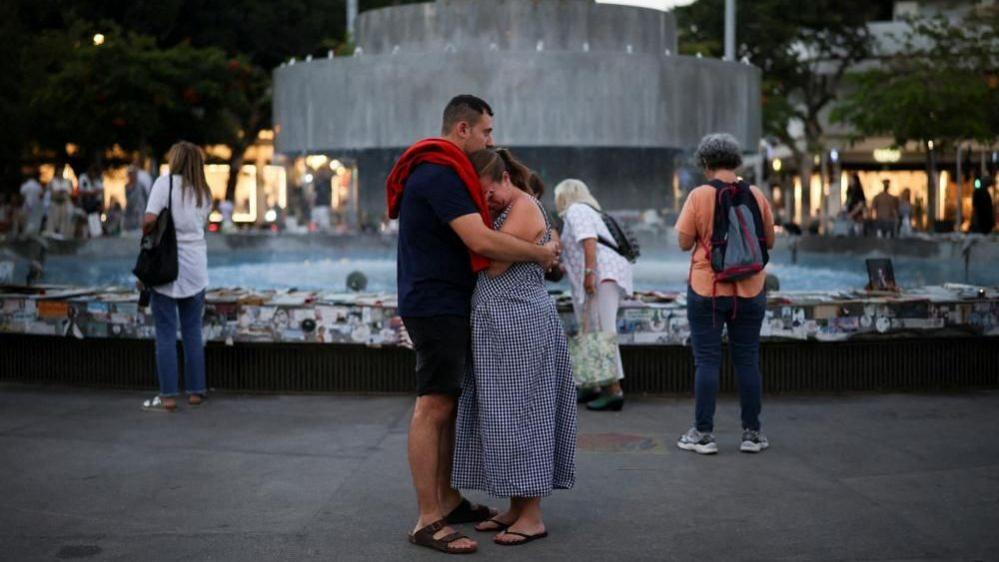
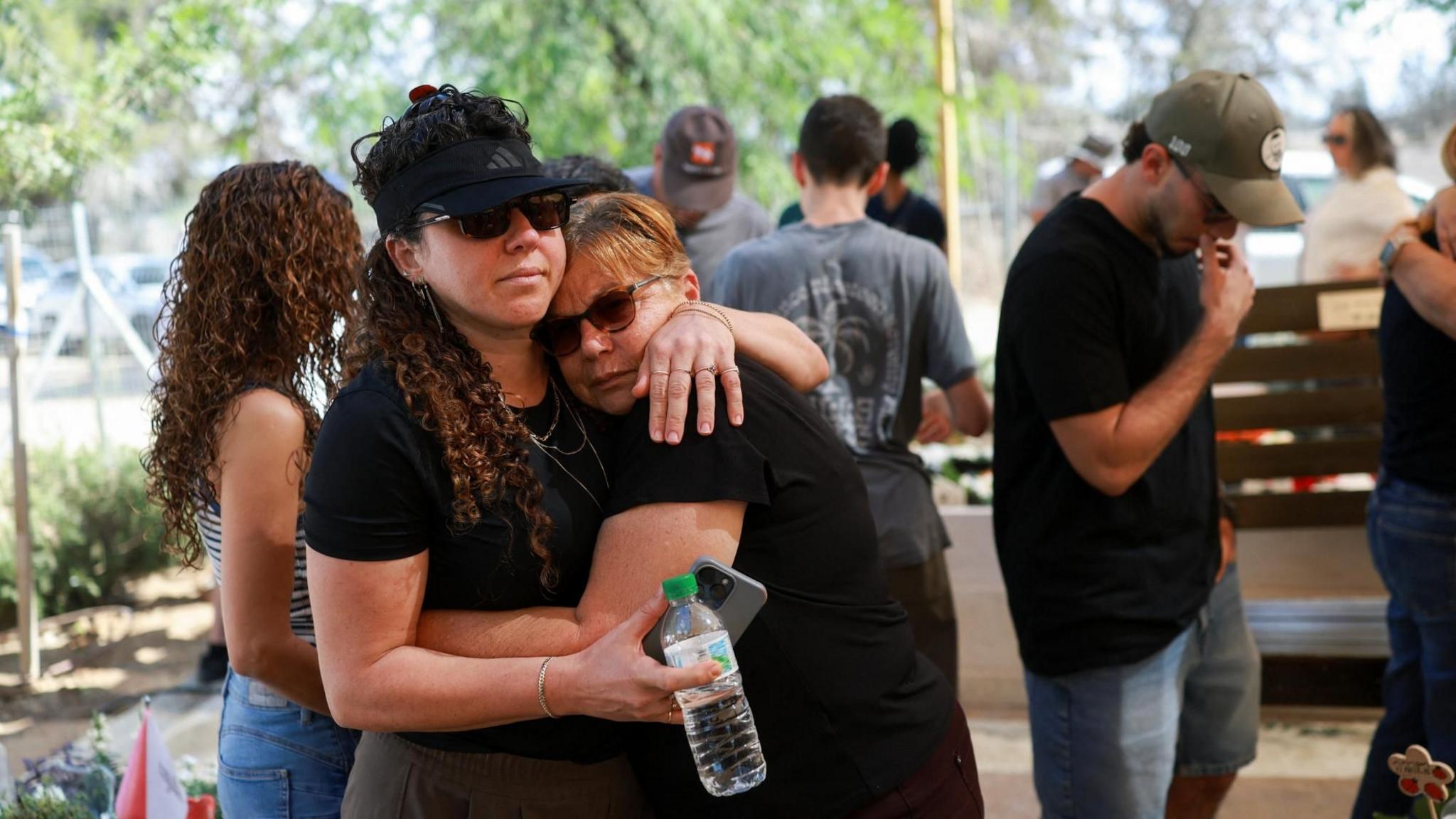
The dawn of the third anniversary of the Oct 7 raid still brings the village of Kfar Aza to silence as residents gather to honour those lost and to demand an explanation for the security lapse that spared no life. That early morning, Israeli borders were breached by a wave of gunmen. Sixty‑four villagers died and nineteen were taken hostage, leaving the community in ruins.
Yet, three years on, there is still no independent inquiry into how the Israeli forces failed to anticipate or stop the assault. In our conversations with Inbar Goldstein, a Kfar Aza resident whose brother and niece were among the missing, the sentiment is clear: the nation must answer who was responsible for the crippling risk that fell upon the village.
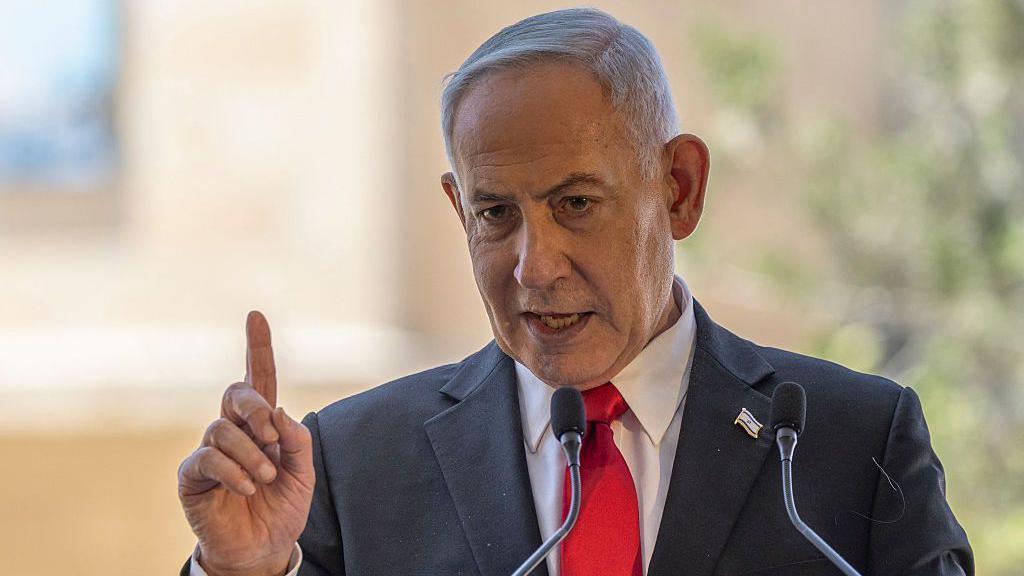
Prime Minister Netanyahu, whose tenure has seen multiple conflicts against Hamas, Hezbollah and Iran, denies any personal fault. He has rejected calls for a Supreme Court‑ordered commission and has instead suggested that a politically appointed panel would be a better fit. His stance has become a focal point on the campaign trail, where he still promises to be the strongest protector of Israel.
Protests have erupted across Tel Aviv, Jerusalem and surrounding towns. Demonstrators have marched with signs that read “no responsibility,” while former political leaders have urged the establishment of a state commission. The requirement for such a commission has intensified the debate about how Israel’s leadership should be held accountable for its security decisions.
As Israel heads into the election, the memory of Oct 7 will likely shape voter decisions. Some see Netanyahu’s record as evidence of a hardened defence, while others view his refusal to accept responsibility as a dangerous precedent that may leave the country vulnerable.