Memorial Events Across Israel
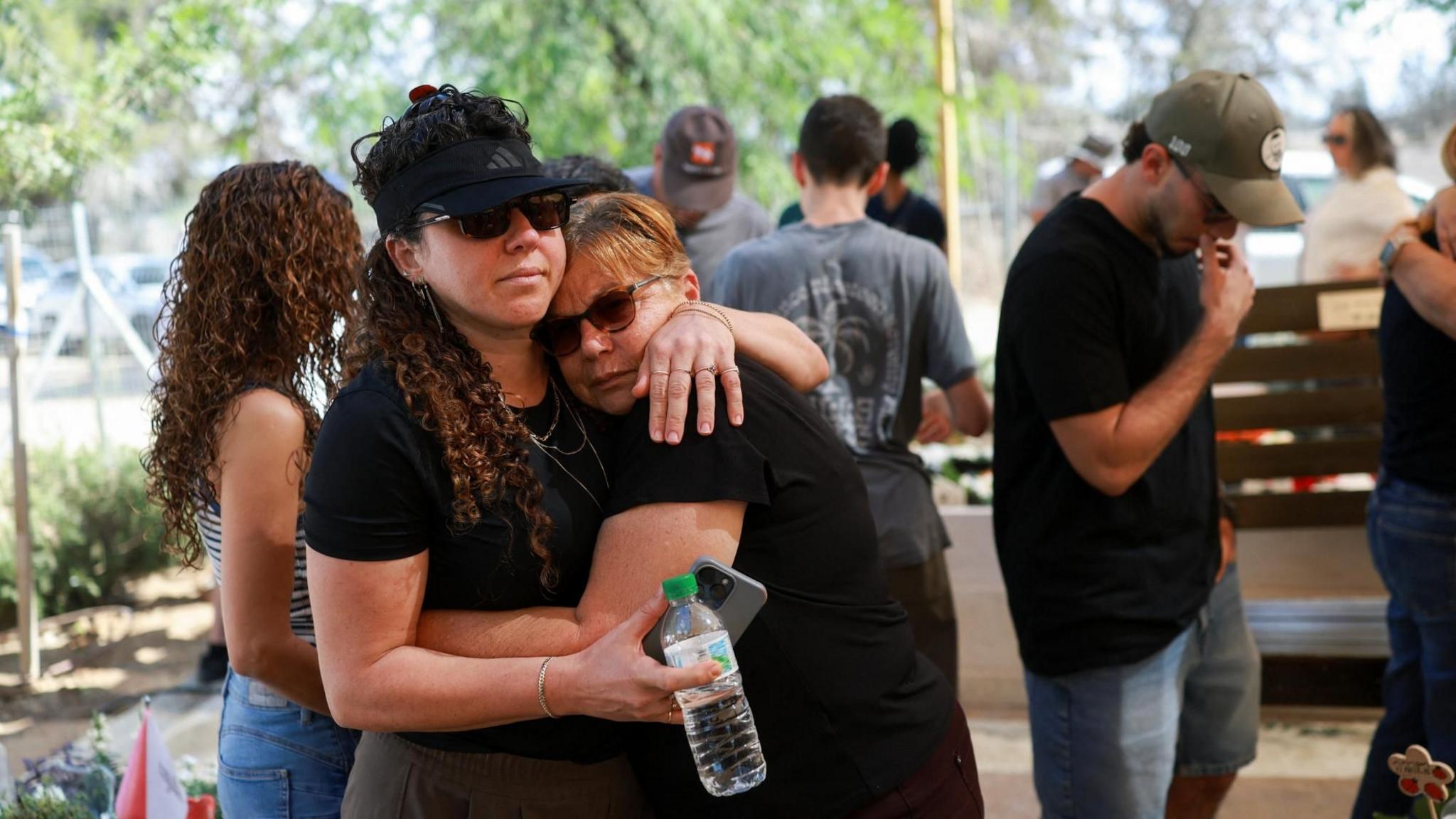
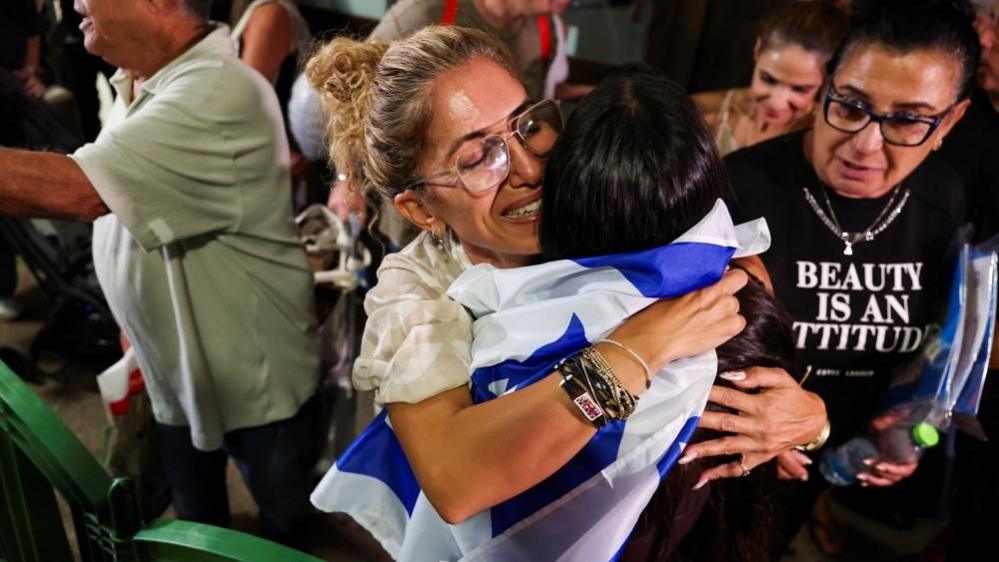
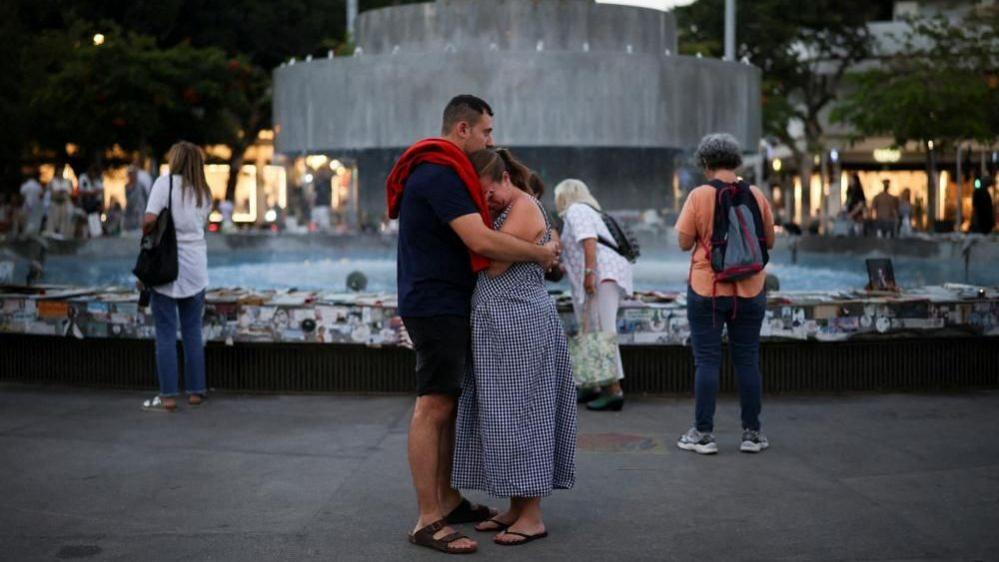
In cities, towns and kibbutzim, people gather at the sites where the early‑morning Hamas attack took place. Beside scattered graves, flowers, photographs and written prayers line the cemetery stones. Families share quiet moments of remembrance, paying tribute to those who were killed or still remain in captivity.
Key Voices
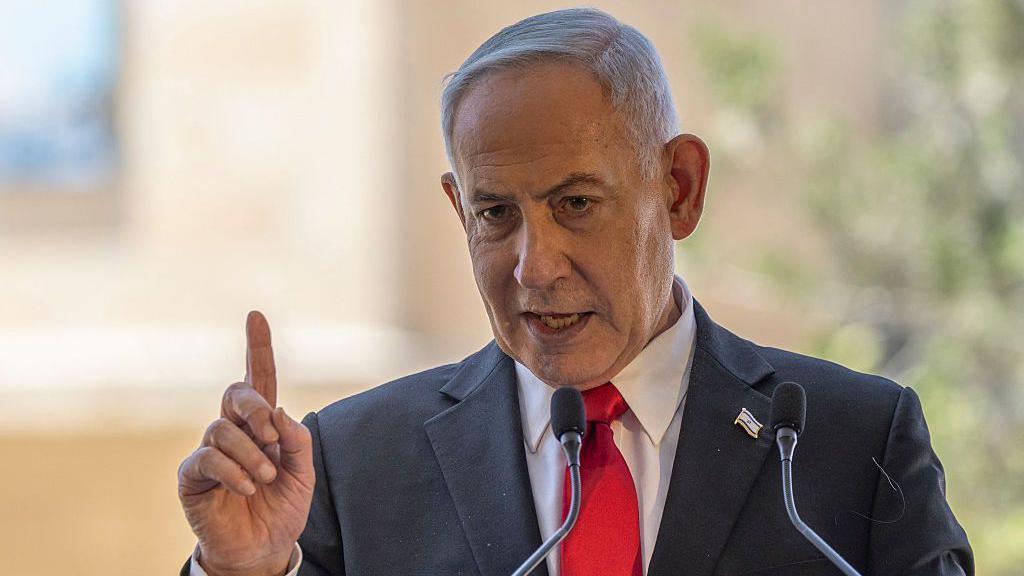
Prime Minister Benjamin Netanyahu addressed the nation, saying the country is united in its longing for the lost and will remember them forever. He denied personal responsibility and rejected the idea of a state‑led inquiry, saying courts would be biased against him. Calls from protesters for a Supreme Court review of security failures have intensified, especially after several ministers resigned following the attack.
Casualties and Conflict Data
Around 1,200 Israelis were killed and 251 were taken hostage during the raid. Israel’s response has included sustained airstrikes and artillery fire in Gaza, where official figures from the Hamas‑run health ministry put the death toll above 74,200 among Palestinians—figures regarded as reliable by the United Nations.
Public Protest and Symbolic Gestures
In Tel Aviv’s Dizengoff Square, citizens dyed the fountain’s water red on this anniversary, a stark visual reminder of bloodshed. Protesters briefly blocked a main highway to hold silence. Banners displayed slogans such as “the people will remember their sons and daughters” and “a complete failure” next to portrayal of the Prime Minister.
International Vigils
In Berlin, students under the Brandenburg Gate observed a vigil. German Chancellor Friedrich Merz highlighted the profound rupture caused by the attack and urged stronger confrontation against antisemitism. The United Kingdom’s Prime Minister Andy Burnham addressed the British Jewish community, saying the nation stands with them. In Brussels, the European Commission President Ursula von der Leyen called the violence unforgivable and pledged EU support for a durable peace.
Gaza’s Humanitarian Crisis
Despite a ceasefire brokered last year, Gaza remains in turmoil. Over 1,460 people have died under ongoing airstrikes, and at least seven Israeli soldiers have fallen in the strip during the same period. The United Nations reports that nearly 80 percent of buildings in Gaza have been destroyed or damaged, leaving more than 60 million tonnes of rubble and around one and a half million residents living in tents or temporary shelters. Families displaced repeatedly fear the possibility that they may eventually have to leave Gaza altogether.
Continuing Tension and Future Uncertainty
Israeli communities are still dealing with the resurgence of violence, and discussions over an independent inquiry into security failures continue to provoke deep division. As the world watches, the anniversary serves as a reminder that the events of 7 October continue to shape the lives of those caught in this conflict.