
Zambia signs US health deal after disputes over data‑sharing
Zambia has signed a five‑year health financing agreement with the United States, ending a months‑long public dispute over whether citizens’ medical data would be traded for aid.
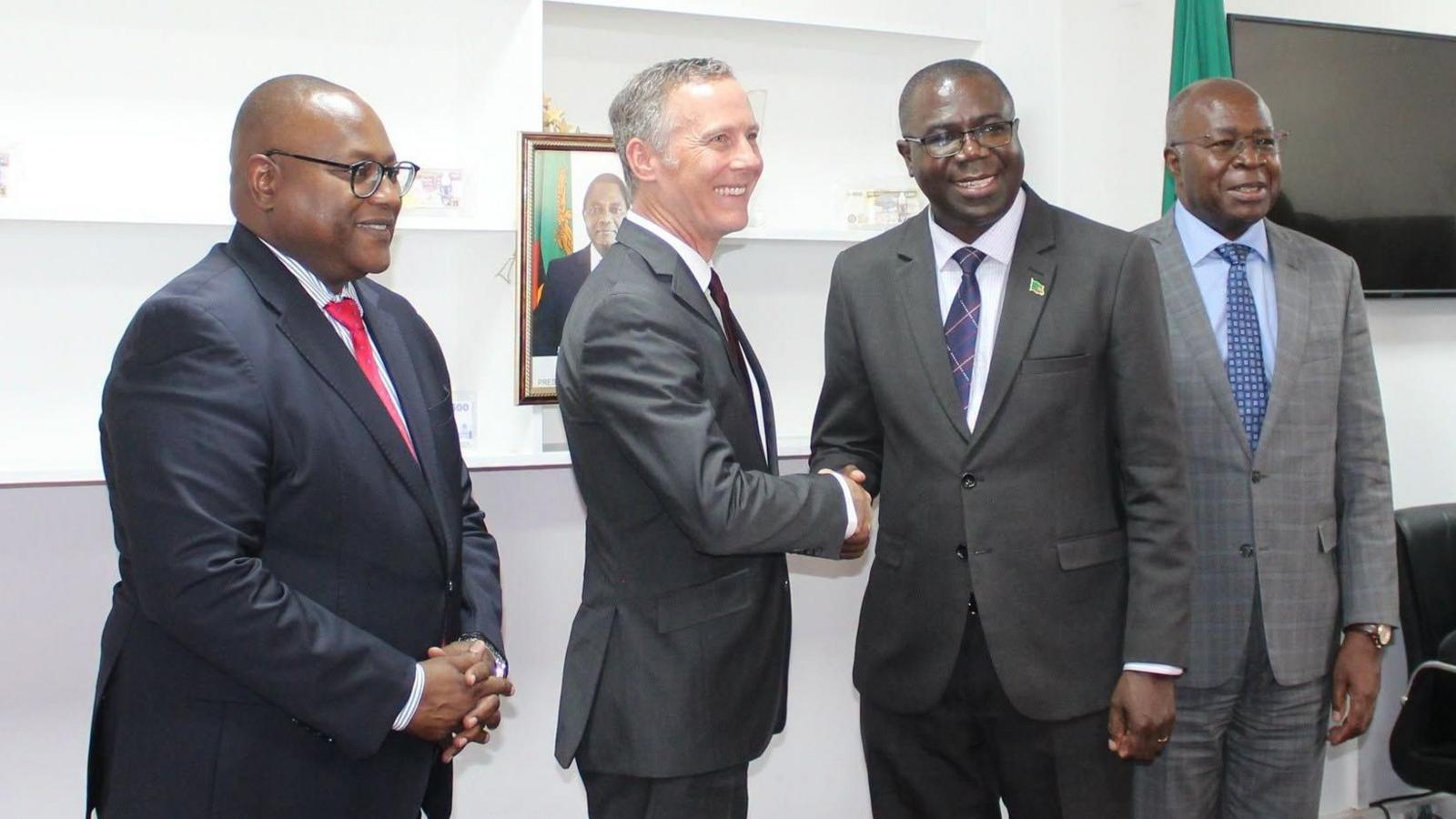
The memorandum of understanding, signed on Thursday in Lusaka, will bring about £1.1 bn (≈$1.5 bn) from the United States, with Zambia also contributing. The deal follows criticism that the draft had allowed far too broad sharing of data, including pathogen information and biological specimens, and fears that health money was tied to preferential mining access for U.S. companies.
Health Minister Roma Chilengi said the agreement no longer requires Zambia to send samples abroad and will not permit the exchange of individual patient records. Data will be shared only to the extent needed to monitor programmes, such as HIV, tuberculosis, malaria, maternal and child health and disease surveillance.
It replaces an aid stream that formerly flowed largely through U.S. programmes, with more than $3.6 bn earmarked for 2026‑2030. Under Washington’s new model, U.S. funding will decline every year as Zambia is expected to increase domestic spending.
The agreement comes after the U.S. closed the Agency for International Development (USAID) last year, cutting aid to several African nations. Zambia’s new partnership reflects Washington’s push to shift from a pure donor‑recipient model toward shared responsibility.
While critics warn that tightening data controls risks limiting scientific progress, officials argue the revised text protects privacy and intellectual property while meeting health priorities.