Every Day Gazans Face Killing as Ceasefire Holds Up
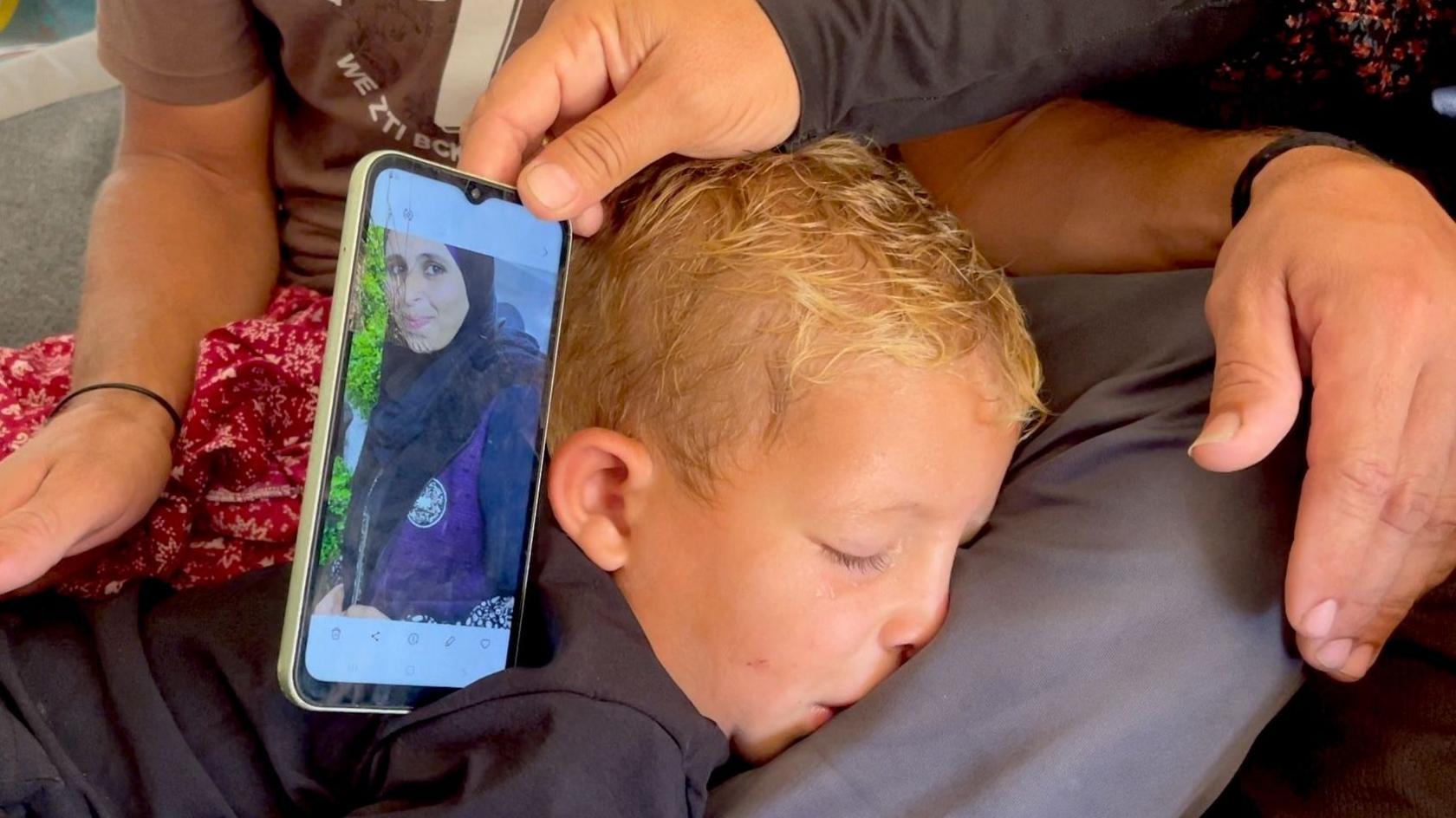
On a quiet morning in early September, 31‑year‑old Fida al‑Toutah – a mother of five – was shot dead in her tent while combing her daughter’s hair. The blast, which hit the central Gaza region, was part of daily Israeli strikes that continue even after a ceasefire was brokered in October last year.
She is one of more than 1,400 civilians killed in Gaza since the ceasefire began, according to the Health Ministry run by Hamas – figures that the UN regards as reliable.
Israeli forces say the attacks target Hamas elements but continue to fire near the “yellow line” that separates their controlled zones from Hamas‑controlled areas. On the ground, families have moved several times, yet safety remains elusive; tents, makeshift homes and even underground camps now shelter the displaced population.
Amid the rubble, architect Amal Alabadla lives in a coastal tent with her two sons. “Every rain turns the tent into a flood, and the wind can blow it apart,” she says, highlighting the lack of genuine rebuilding efforts after a one‑year ceasefire. “I have no hope of a secure future for my children.”
The wider conflict remains unresolved. While a 2025 peace plan promised reconstruction, the second phase has stalled and Israel keeps strict control over building materials. The total death toll from Israeli strikes now exceeds 74,000, showing the stark reality behind the ceasefire’s façade.