In brief
At the Republican convention in Dallas, Donald Trump pledged a $5,000 dividend for every adult American if the GOP takes control of both the House and the Senate. The plan would cost more than a trillion dollars, with no clear source or implementation details. Democrats slammed the offer as hollow, and legal experts debate whether the pledge violates election‑finance rules, though some see it as a tax cut. Trump’s speech also tied the promise to the ongoing Iran conflict, warning that the war would not end until after the midterms and that oil prices would remain high. The payment, sometimes called “Trump Dividends,” would still require Congressional approval and may raise federal‑law challenges.
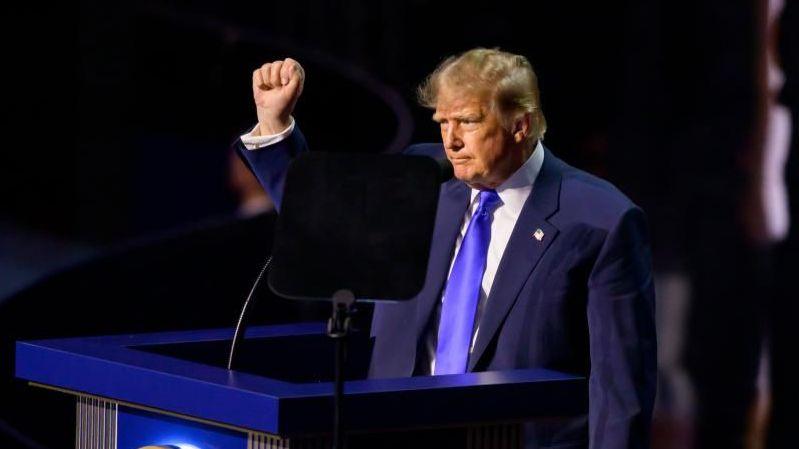
Donald Trump announced a $5,000 dividend for each adult American if the Republican Party wins both chambers of Congress in the November 2026 midterm elections.
The promise was made during the GOP’s first convention held mid‑term, a moment rarely used for such a sweeping pledge. Trump offered no mechanism for financing the plan, nor how the proceeds would be distributed, only insisting that recipients must spend the money within the United States.
Democrats immediately dismissed the announcement as an empty gesture, and election‑law experts raised concerns that it could breach federal regulations that forbid monetary inducements to influence voters. Others argue the pledge could be framed as a tax cut under constitutional free‑speech protections, but it still faces scrutiny from legal scholars and lawmakers.
Trump also linked the promise to the conflict with Iran, warning that the war would not resolve until after the midterms and that oil prices would not fall until the elections are decided. The halted Strait of Hormuz has already pushed global petroleum costs higher, adding urgency to his rhetoric about the stability of the American economy.
Historical precedent exists for campaign promises of financial rewards, including past pledges for tax savings or relief checks by both Democratic and Republican leaders. However, any actual disbursement would require congressional approval under the U.S. Constitution’s shared‑power framework for public spending.