In brief
The Dallas convention didn’t conduct any official party business; instead it served as a rally for Trump loyalists and a display of the party’s current identity. President Trump delivered a keynote that was both a call to supporters and an admission that he remains the party’s principal driver of turnout. He touched on high fuel prices, the Iran conflict, and offered a controversial $5,000 payout for every adult if Republicans win both houses. The event highlighted the party’s dominance by Trump and raised questions about its future momentum and how it plans to court swing voters.
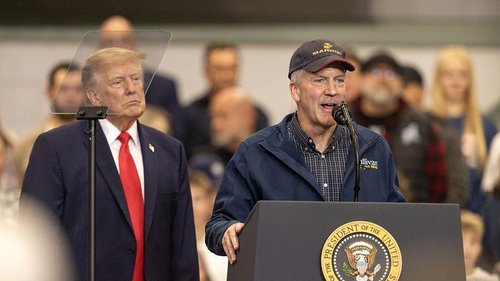
The Republican Party’s first midterms convention in Dallas had all the trappings of a traditional presidential‑election‑year gathering: supporters in sparkling costumes, vendors selling campaign merch, and a conveyor belt of candidate speeches. But unlike an ordinary convention, no official party business was conducted; the event served as a rally for Republicans hoping to boost turnout and avoid losing control of Congress in November.
President Donald Trump, whose grip over the party remains absolute, delivered a lengthy keynote on Wednesday that covered his familiar themes with a few surprises.
1. Preaching to the MAGA choir
The arena was filled with diehard Trump supporters wearing red MAGA gear from his past presidential campaigns. Ten years after his first White House run, he is still beloved among his base and has bent the party to his will in the years since.
The old‑style Republican establishment—Senator Susan Collins of Maine and other competitors in competitive races—was nowhere to be seen. Their absence highlighted how the party has changed.
2. It’s still Trump’s party
Trump’s total grip on the party raises some pointed questions about its future. Who will replace him? How will the party perform when his name isn’t on the ballot in November?
He said, "I’m asking you to pretend that I’m on the ballot," acknowledging that he remains the party’s best driver of turnout. The comment highlights the challenge Republicans face not only in November but also in the 2028 presidential election.
3. A gamble on affordability
Earlier on Wednesday, Trump noted that Americans may have to wait longer for relief from high fuel prices. He answered that the short‑term economic pain caused by the war in Iran was worth it to prevent the Tehran from developing nuclear weapons. The message may be difficult to land with voters who are feeling the high cost of living.
4. Trump makes $5,000 payout
On a more unconventional note, Trump offered to pay every adult U.S. citizen $5,000 if Republicans win both chambers of Congress in November. He said the money would have to be spent in the U.S. The only caveat: no details were given on how the plan would work or where the money would come from. Democrats labeled it an "empty promise" and questioned its legality.
With nearly 270 million adult Americans, a $5,000 payout would cost the U.S. government about $1.3 trillion. The idea drew raucous applause at the convention and Trump seemed to relish the moment.
Policymakers and voters will now have to decide whether the party can move beyond Trump’s brand and reach a broader electorate while balancing economic concerns. The convention’s message remains clear: Trump and his loyalists will keep steering the party’s narrative at the next midterms.