In brief
US Central Command confirmed that two Iranian launchers on Larak Island were struck Sunday morning, the earliest attack in the region since President Trump’s pause of a renewed military campaign in late July. The strike came after Iranian forces were observed preparing rockets with sea‑mines in the Strait of Hormuz, a vital oil chokepoint. Iran’s Revolutionary Guard vowed retaliation and flagged the move as a “fatal mistake” by the Trump regime. The incident occurs amid fresh US sanctions and a widening conflict that has already affected 40 % of global oil passage through the strait.
US Strikes Iranian Launchers on Larak Island
US forces struck two Iranian launchers on Larak Island on Sunday, officials said, marking the first confirmed strike on Iran since late July.
According to a US Central Command spokesman, Commander Tim Hawkins, Iranian Revolutionary Guard Corps (IRGC) forces were preparing to launch rockets with sea mines into the Strait of Hormuz. The strike was aimed at preventing the deployment of these missiles.
The Iranian IRGC announced that the attack killed and wounded several people and warned that the “enemy will pay the consequences of this miscalculation in both the economic and military fields.” A spokesman for the IRGC said the attack was carried out by drones, with two people killed and two others injured.
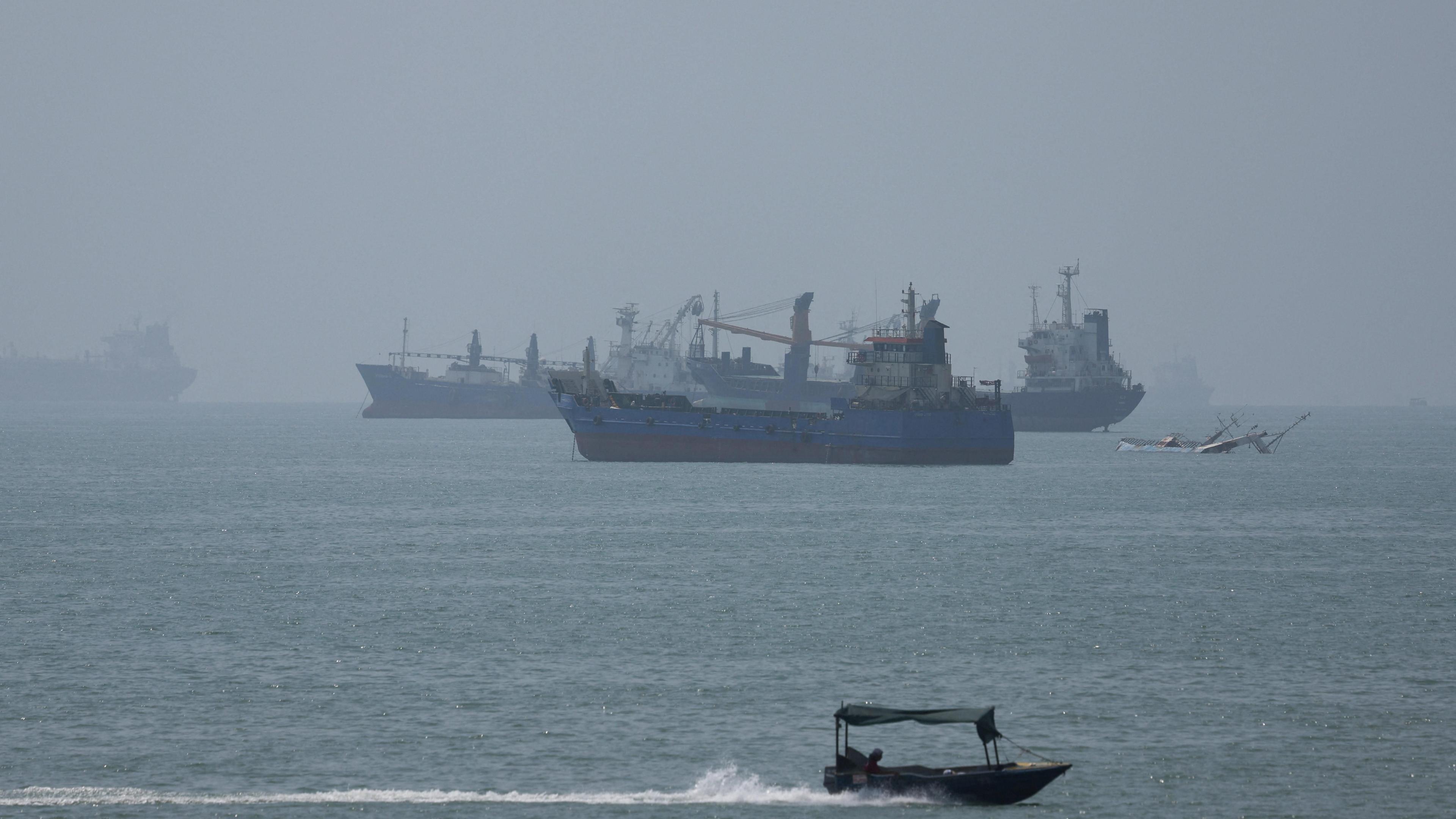
Larak Island sits just offshore from the key port of Bandar Abbas and lies on the Strait of Hormuz, a critical artery for oil and natural gas. Iran has reportedly been making tanker traffic pass by the island for checks and demanding a payment of $2 million to cross.
The incident comes after the US announced that all mines had been cleared from the main shipping lane of the strait earlier that month. While President Donald Trump claimed the removal of all mines, Iran’s Deputy Foreign Minister Kazem Gharibabadi condemned the claim as propaganda.
In the wake of this strike, Washington has intensified economic pressure on Iran, launching a fresh sanctions campaign on 24 August to further isolate Tehran and expand secondary sanctions on its allies. Iran’s state media dismisses the campaign as a continuation of prior US pressure.
The broader conflict has persisted for more than six months, following large‑scale US and Israeli strikes on 28 February that triggered Iranian retaliation against Israel, US facilities, and Gulf allies, effectively closing the Strait of Hormuz. Today, about 20 % of the world’s oil and liquefied natural gas transit through this strait.
The US and Israel’s actions triggered an escalation, and Iran has responded not only along maritime routes but also against US bases and Gulf allies, further destabilising the region.