In brief
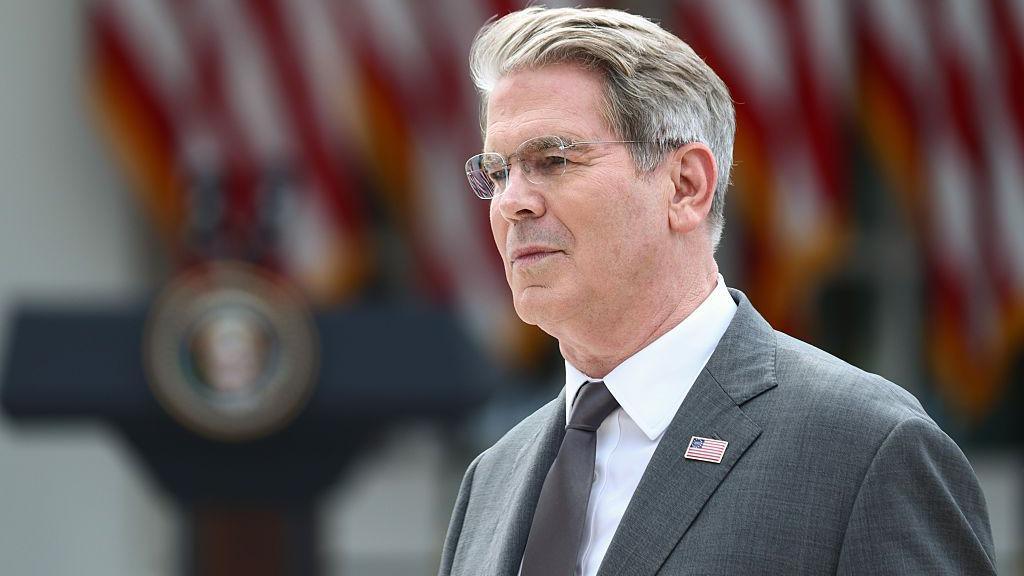
In a stark speech, US Treasury Secretary Scott Bessent declared that the United States will sever all economic ties with Iran, calling the move an "economic D-Day" and warning that other nations could face isolation for supporting Tehran. The threat comes at a time when Iran’s navy has closed the Strait of Hormuz, a critical artery for one‑fifth of the world’s oil traffic. Iran has dismissed the remarks, promising to halt all oil exports if the conflict escalates. Bessent’s comments were made in a Financial Times op‑ed, with a press conference scheduled for the following morning. This marks a continuation of the US’s escalating sanctions policy under the Biden administration, following Trump’s 2018 withdrawal of the Iran nuclear deal and subsequent re‑imposition of sanctions.
The United States has taken a hard line on Tehran, with Treasury Secretary Scott Bessent warning that the country will eliminate all financial ties to Iran in what he called an "economic D-Day". The threat was made before a planned press conference the next day and comes as Iran’s navy continues to shut the Strait of Hormuz to foreign shipping, a vital conduit for about one‑fifth of the world’s oil traffic.
Bessent’s comments follow a history of sanctions and diplomatic pushes by U.S. administrations, including former President Trump’s 2018 withdrawal of the Iran nuclear deal and Joe Biden’s attempts to revive some of its provisions. He says that nations that offer financial support to Iran will also be isolated.
Iran has dismissed the speech, pledging to halt all oil exports if the conflict escalates further. Tehran’s recent warning demands permission for ships to transit the Strait of Hormuz, a move that threatens global oil supplies.
These developments signal a potentially significant escalation in the U.S. strategy against Iran, as the white house prepares to detail its economic approach in a forthcoming briefing.