In brief
In a sharp warning, Iran’s foreign affairs delegate Mohammad Bagher Ghalibaf cautioned that U.S. military actions could provoke a quicker and more severe retaliation once the rules of engagement change. The statement follows the U.S. Central Command’s confirmation of strikes on Iranian oil tankers after Tehran reportedly attacked an American vessel attempting to enter the Strait of Hormuz. The exchange of threats has reignited the 60‑day ceasefire that expired last month, with both sides conducting strikes in the region. The conflict threatens shipping lanes critical to world energy markets, drawing global attention to rising fuel prices and diplomatic stalemates. Iran now stresses its continued control over the strait, while the U.S. insists it remains open for navigation.
Iran’s chief negotiator warned that the United States could face a faster, heavier, and more painful response after recent attacks on Iranian‑linked targets. The caution came after the U.S. Central Command confirmed strikes on oil tankers linked to Tehran.
Ghalibaf’s remarks, translated from state media, appear a week into renewed fighting and echo earlier warnings that the rules of engagement have shifted.
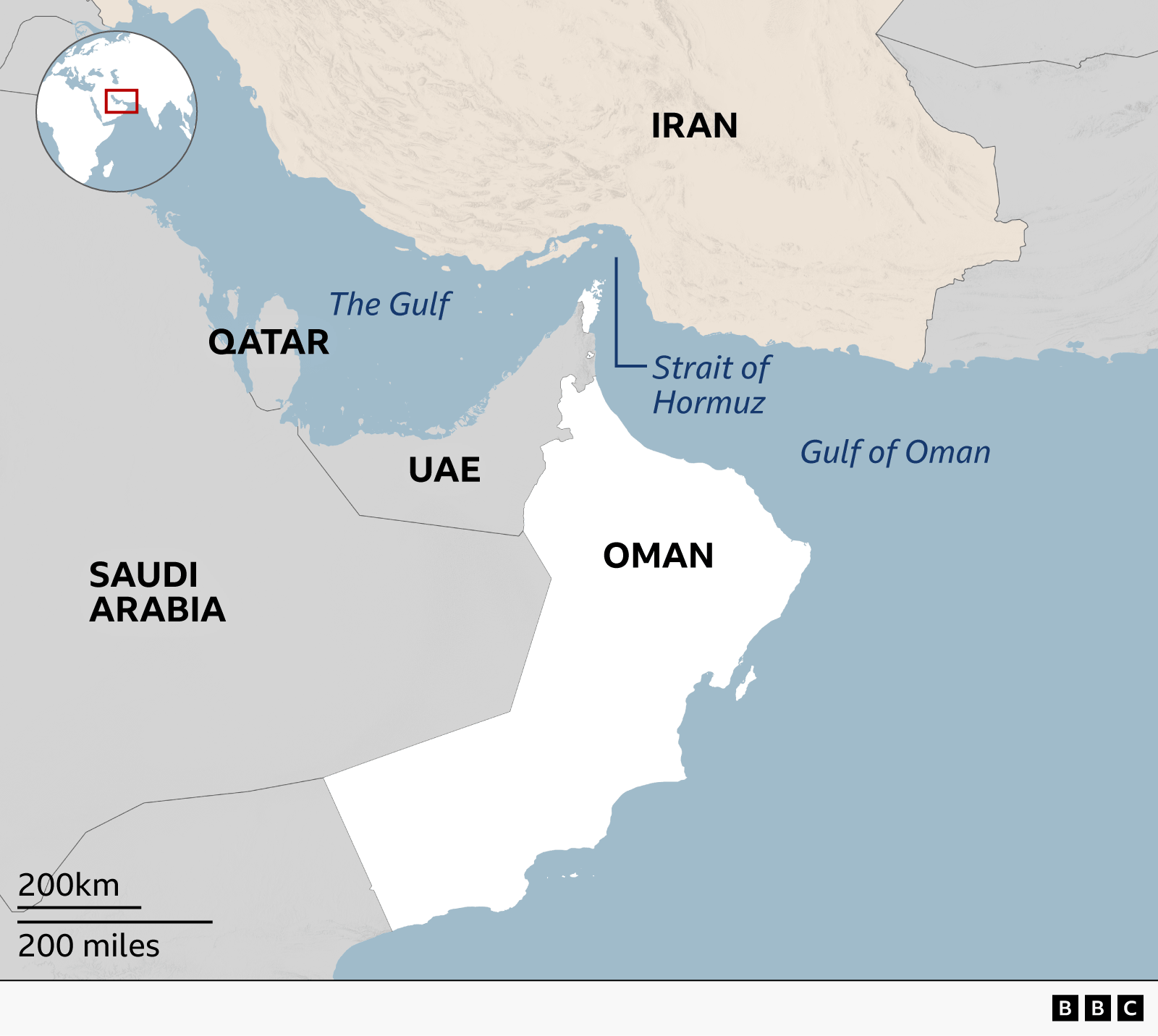
The U.S. said it had struck Iranian oil tankers in retaliation for Tehran attacking American warships near the Strait of Hormuz. Iran’s navy also claimed it hit a remotely‑controlled American vessel that was trying to enter the strait.
The naval exchange follows the end of a 60‑day ceasefire that lapsed last month, leading to a flare‑up of strikes across the Gulf region. U.S. officials have threatened to sink Iranian tankers if the attacks continue.
The standoff places the Strait of Hormuz – a vital artery for global oil flow – under renewed pressure. Iran maintains control over the waterway, while the United States keeps shipping routes open and has been assisting vessels to navigate alternative paths.