In brief
Iran’s parliament speaker Mohammad Bagher Ghalibaf has warned that the US must heed the changing rules of engagement before it is too late. Following a US Central Command strike on Iranian‑linked oil vessels and a claimed Iranian naval raid on a US remote vessel, tensions have surged. Both sides have launched retaliatory attacks on ships in the Gulf, while US officials, including Defence Secretary Pete Hegseth, have threatened to sink Iranian tankers. Mixed signals from US President Donald Trump about the Strait of Hormuz’s openness limit diplomatic resolution, leaving the conflict poised to intensify.
Iran’s top negotiator, parliament speaker Mohammad Bagher Ghalibaf, warned on Sunday that the United States would face a “faster, heavier, and more painful” response if it continued attacking Iranian vessels.
The statement comes almost a week after US Central Command released footage of strikes on Iranian‑linked tankers and the subsequent day the US announced it would fire at Iranian ships that threatened American warships in the Gulf.
While the US denies claims of a navy raid on a remote‑controlled host, Iranian state media reports its navy attacked an American vessel approaching the Strait of Hormuz. US spokesperson Captain Tim Hawks countered, calling the account “a total lie.”
In a stark social‑media post, Defence Secretary Pete Hegseth vowed that Iranian ships fishing for American vessels would be destroyed. His remarks echo the heightened tensions that have seen the US launch multiple strikes across the region, with Iran retaliating against US targets in the UAE, Bahrain, Kuwait and Jordan.
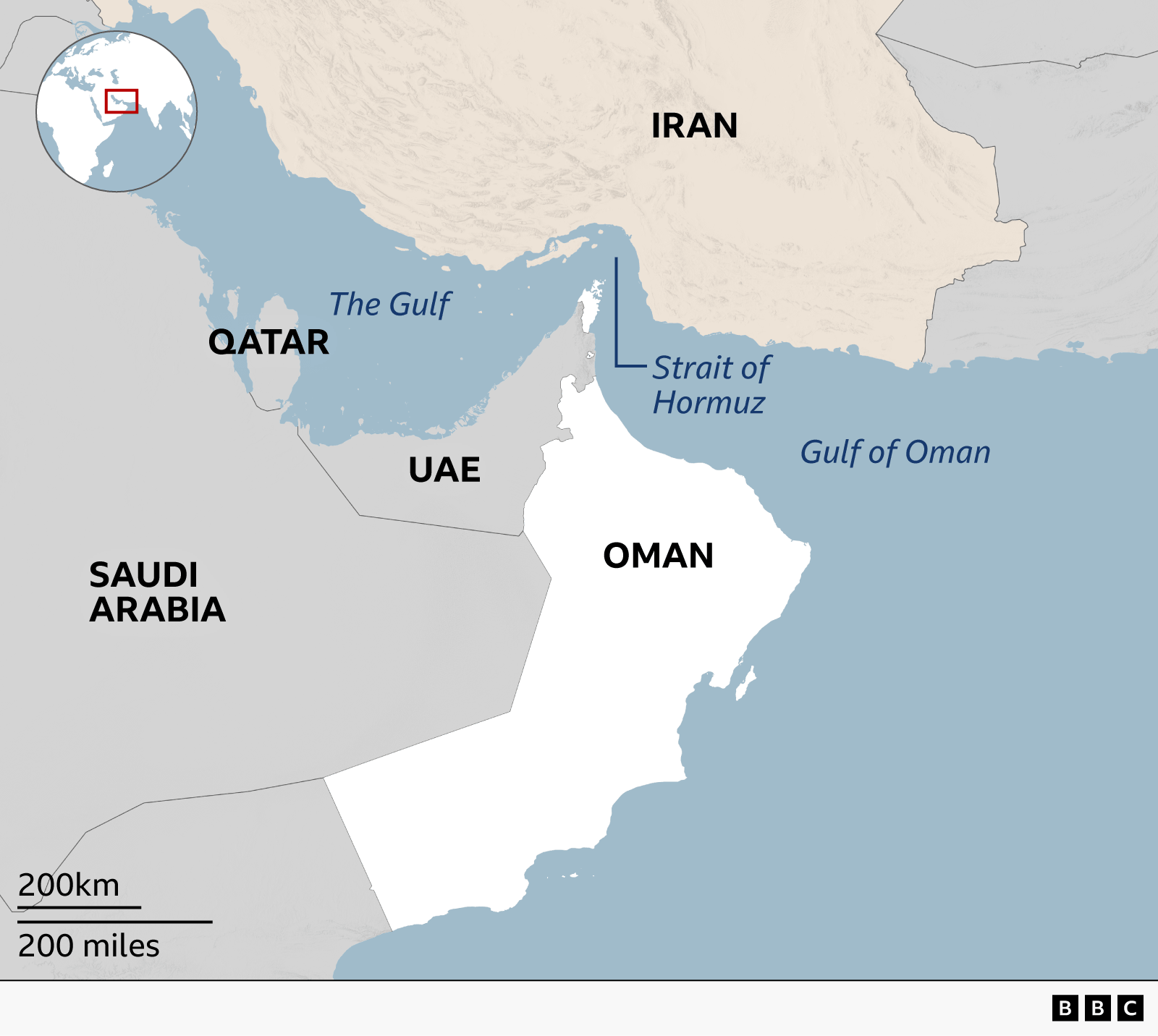
Trump has repeatedly stated that the conflict is unlikely to last long despite the ongoing escalation. However, peace talks between the two nations have stalled, leaving the Strait of Hormuz—key to global energy flows—effectively closed and a major source of leverage for Tehran.
The closure has lifted oil prices worldwide, with US diesel rising to $5.85 a gallon, a stark contrast to $3.71 a year earlier. Energy Secretary Chris Wright noted the substantial flow of oil through alternative routes, hinting at potential easing of pressure on prices once summer demand recedes.