In brief
Over the past week, Somali waters have seen a surge in piracy, with at least 13 vessels boarded and seized since the start of the year. The attacks are linked to reduced naval patrols and shifting shipping lanes caused by the US‑Iran war and related blockades in the Strait of Hormuz and Bab el‑Mandeb. Drone strikes, reportedly targeting pirate supply networks, have killed thirteen men and intensified the conflict. Turkish involvement has been alleged, with accusations that their forces carried out a strike killing nine armed men. Without a resolution to the broader regional conflict, piracy remains a growing threat to maritime trade in the Horn of Africa.
Somali piracy spikes amid heightened regional tensions
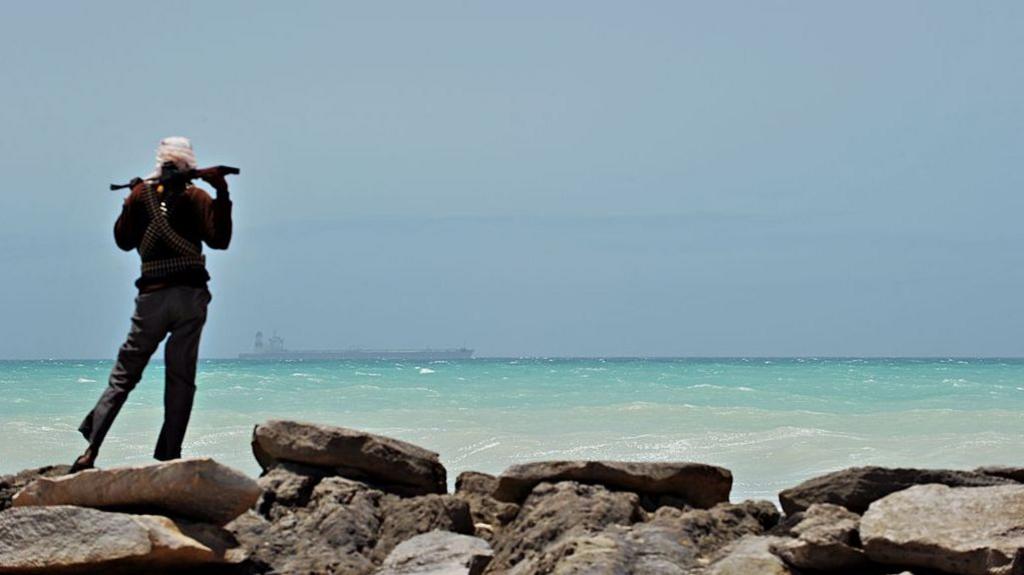
Two cargo ships were seized in the Gulf of Aden within four days last week, bringing the total attacks since the start of the year to at least 13. This marks the biggest escalation in piracy in more than a decade, raising alarm over the security of a key maritime route used for international trade.
Experts say the surge is largely due to opportunities created by the ongoing US‑Iran conflict. With naval patrols diverted northward, commercial vessels are moving closer to the Somali coast to avoid heightened security further north, making them easier targets for pirates.
Following the hijackings, there have been unprecedented drone strikes targeting pirate networks. Thirteen men, alleged to be part of the supply chain for pirates, were killed in two strikes since 18 August, though no official confirmation links the attacks to a particular government.
Claims have emerged that Turkish forces, acting under a defence partnership with Somalia, were involved in one of the strikes. Local officials allege that the crew on seized vessels included Turkish weapons destined for military facilities in Mogadishu, a claim that Ankara has not formally addressed.
While international naval forces from the US, UK, France, Denmark, Spain, India and Turkey have been deployed to the area, analysts argue that the blockade of the Bab el‑Mandeb Strait and the remote focus on the US‑Iran conflict have loosened pressure on pirates, fostering a corrosive environment for maritime security.
In the broader context, Somali piracy remains a serious threat to shipping lanes that are already strained by regional blockades. The resurgence also underscores the need to address the economic and security conditions in Somalia that give rise to piracy activity.