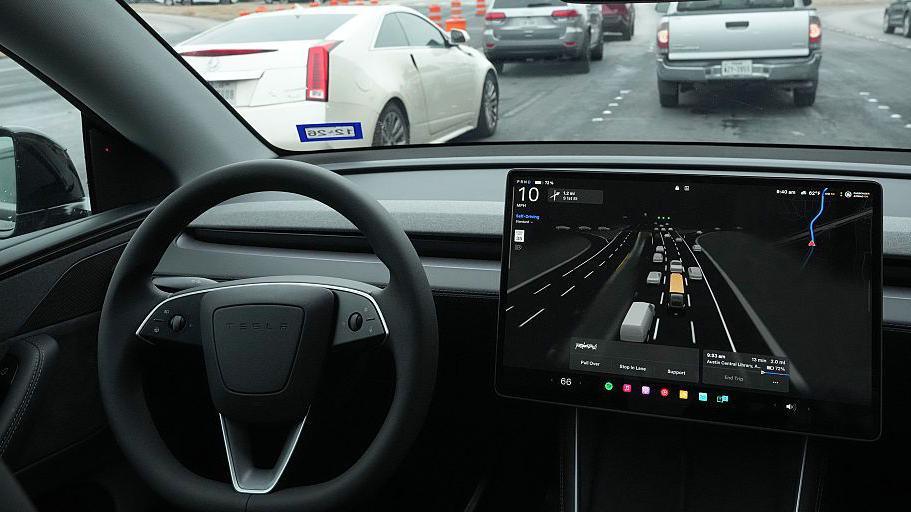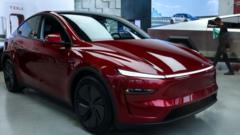
Tesla has begun to expand its footprint in India, hiring for various positions in Delhi and Mumbai, signaling its long-anticipated entry into the country. As the world's third-largest economy, India presents a unique opportunity for Tesla amidst falling global electric vehicle (EV) sales and increasing pressure from competitive Chinese brands. However, the pivotal question remains: Can Tesla navigate India's budget-conscious market effectively?
Currently, Tata Motors dominates the Indian EV scene with more than 60% market share, while MG Motors holds around 22%. Prices for vehicles from these manufacturers are substantially lower than the starting price of approximately $40,000 (£31,637) for Tesla's base model, relegating it to the luxury bracket alongside high-end offerings from brands like Hyundai, BMW, and Mercedes. This disparity may limit Tesla's market presence unless it can introduce a more affordable model tailored specifically for Indian consumers.
Another significant hurdle lies in India's varied road conditions. Tesla's cars are known for their low ground clearance, which could make them ill-suited for Indian infrastructure without costly engineering modifications. Hormazd Sorabjee, editor of Autocar India, mentioned that justifying such extensive changes for a market with potentially low sales volume poses a challenge.
Despite the growing interest in EVs, sales still constitute less than 3% of the overall passenger vehicle market in India. The lack of a supportive infrastructure, such as charging stations (currently around 25,000 nationwide), further complicates Tesla's market strategy.
On a favorable note, India's government is actively promoting electric vehicles through favorable policies aimed at achieving its ambitious goal of electrifying a significant portion of its vehicle fleet by 2030. Subsidies offered by the national government are among the most competitive globally, reportedly reaching 46% of the price for the top-selling EV model in the country. As a result, EV sales surged over 2,000% in less than five years, climbing from 4,700 units to 100,000 annually.
Furthermore, India has lowered import duties on EVs for foreign manufacturers that commit to local manufacturing, creating a more enticing environment for the likes of Tesla, which previously expressed concerns about high tariffs preventing its entry.
With rising demand for premium vehicles and a youthful, aspirational consumer base, Tesla can capitalize on its globally recognized brand appeal. However, despite the momentum toward electric adoption and government support, Tesla has not yet confirmed local manufacturing plans. For now, it appears the company will prioritize establishing showrooms over factories, which could limit its impact on employment and local production growth.
In summary, while Tesla's entrance into India holds promise, the challenges of high pricing, local competition, and infrastructure will shape its journey within this dynamic market.
Currently, Tata Motors dominates the Indian EV scene with more than 60% market share, while MG Motors holds around 22%. Prices for vehicles from these manufacturers are substantially lower than the starting price of approximately $40,000 (£31,637) for Tesla's base model, relegating it to the luxury bracket alongside high-end offerings from brands like Hyundai, BMW, and Mercedes. This disparity may limit Tesla's market presence unless it can introduce a more affordable model tailored specifically for Indian consumers.
Another significant hurdle lies in India's varied road conditions. Tesla's cars are known for their low ground clearance, which could make them ill-suited for Indian infrastructure without costly engineering modifications. Hormazd Sorabjee, editor of Autocar India, mentioned that justifying such extensive changes for a market with potentially low sales volume poses a challenge.
Despite the growing interest in EVs, sales still constitute less than 3% of the overall passenger vehicle market in India. The lack of a supportive infrastructure, such as charging stations (currently around 25,000 nationwide), further complicates Tesla's market strategy.
On a favorable note, India's government is actively promoting electric vehicles through favorable policies aimed at achieving its ambitious goal of electrifying a significant portion of its vehicle fleet by 2030. Subsidies offered by the national government are among the most competitive globally, reportedly reaching 46% of the price for the top-selling EV model in the country. As a result, EV sales surged over 2,000% in less than five years, climbing from 4,700 units to 100,000 annually.
Furthermore, India has lowered import duties on EVs for foreign manufacturers that commit to local manufacturing, creating a more enticing environment for the likes of Tesla, which previously expressed concerns about high tariffs preventing its entry.
With rising demand for premium vehicles and a youthful, aspirational consumer base, Tesla can capitalize on its globally recognized brand appeal. However, despite the momentum toward electric adoption and government support, Tesla has not yet confirmed local manufacturing plans. For now, it appears the company will prioritize establishing showrooms over factories, which could limit its impact on employment and local production growth.
In summary, while Tesla's entrance into India holds promise, the challenges of high pricing, local competition, and infrastructure will shape its journey within this dynamic market.