Elon Musk Becomes First Trillionaire as SpaceX Debuts at $161 a Share
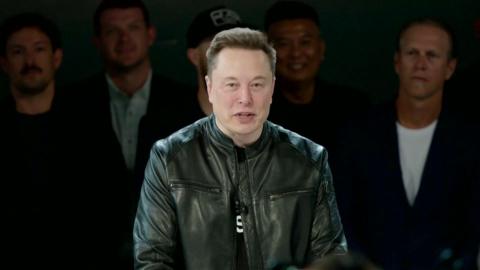
Elon Musk reached a net worth of $1.11 trillion on Friday after shares in his SpaceX rocket company surged during the biggest ever stock market debut.
The company’s IPO on the Nasdaq opened at $150 a share and briefly rose to $176.50 before closing at about $161, giving SpaceX a valuation of $2.2 trillion.
Musk owns 42 per cent of SpaceX, a stake that grants him almost unilateral control over the company’s operations. Those holdings are worth roughly $767 billion at close, plus additional options and a substantial stake in Tesla.
The news of Musk’s trillion‑level wealth has struck a nerve, with commentators noting that his fortune now compares to the total GDP of Poland or Switzerland. Politicians, such as Senator Elizabeth Warren and Senator Bernie Sanders, have called the figure a wake‑up call for a potential wealth tax.
Critics point to Musk’s past political spending, including a record donation to the re‑election campaign of former President Donald Trump, and his role as a budget‑draining “governance efficiency” official in the U.S., which some say may have caused millions of deaths, according to a Lancet study.
Investors poured into SpaceX immediately after the IPO, drawn by Musk’s vision of building a “lunar economy” and the company’s focus on reusable rockets, Starlink satellites and emerging AI ventures. Yet experts note that the company is currently unprofitable, having lost more than $9 billion in the two years since 2025 due to heavy spending on AI and other infrastructure.
SpaceX’s prospectus also cautions that many of its initiatives involve significant technical risk and may not achieve commercial viability. Nonetheless, the company's ambitious mission—to make life multiplanetary—continues to attract long‑term investors such as Nancy Tengler, who says the IPO’s prospects are worth a three‑ to ten‑year horizon.
While “primarily hype and scarcity” may have driven the opening rally, market analysts stress that the critical question is how the share will hold in the meantime, especially for pension funds and savings accounts that invest in large index funds.
SpaceX’s plan to use the IPO proceeds to expand rocket launches, Starlink services, and potential in‑orbit data centers demonstrates the company’s focus on high‑growth areas. Whether the lofty ambitions will materialise remains to be seen, but the debate continues over the broader implications of a billion‑usd‑valued up‑tick for the global economy and equity markets.