In brief
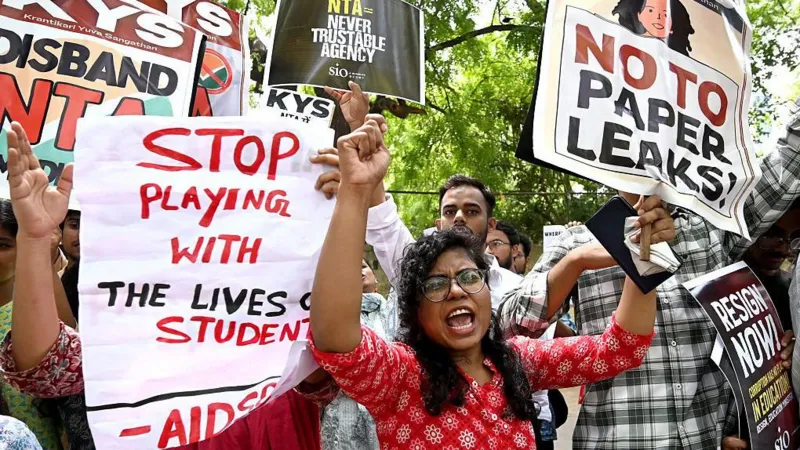
India’s ban on the messaging app Telegram signals a heightened crackdown on academic fraud amid the country’s high‑stakes medical entrance exam. The National Testing Agency (NTA) said the temporary restriction was necessary to stop organised cheating that could undermine test integrity. Students and privacy advocates criticised the measure as a short‑sighted patch that disproportionately penalises legitimate users who rely on the platform for study groups. The move underscores an ongoing fight to safeguard exam integrity amid repeated controversies of paper leaks and fraud.
India has temporarily blocked the popular messaging app Telegram to prevent cheating in the National Eligibility cum Entrance Test – Undergraduate (NEET‑UG) retest scheduled for 21 June, after the March exam was cancelled following a paper‑leak scandal.
The National Testing Agency (NTA) welcomed the move, saying it was prompted by an "organised use of the platform by cheating rackets" that could undermine the fairness of the test.
Students and digital‑rights activists have called the ban a "band‑aid" solution, arguing it penalises ordinary users who rely on Telegram for legitimate study groups and information sharing.
The government has directed Telegram to restrict service in India until 22 June, and to disable the message‑editing feature until 30 June, arguing that edited messages were being used to fabricate evidence of paper leaks.
The NTA reported that the Indian Cyber Crime Coordination Centre (I4C) has removed a "substantial number of channels, groups and bots" that advertised fraud, and that some operators were demanding money for alleged "paper‑access" services.
Following the May exam’s cancellation, the CBI is investigating the leak, and more than a dozen suspects have been arrested to date.
Critics, including the Internet Freedom Foundation, say the ban is unconstitutional and ineffective, because it fails to address systemic fraud within the education system itself.
The block has drawn attention back to the NEET‑UG exam as a key gateway into India’s medical colleges and to the country’s broader struggle over exam integrity.