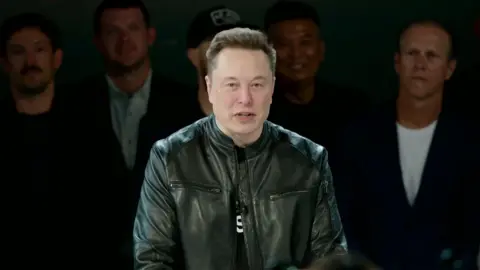
Musk’s shares in SpaceX surged on Friday, propelling the rocket‑maker onto the Nasdaq with a valuation of about $2.2 trillion. The public offering, which capped each share at $135, opened at $150 and briefly climbed to $176.50 before closing at roughly $161—enough to push Musk’s net worth to $1.11 trillion, according to Bloomberg’s rich list.
With a 42 % stake in the company, Musk controls its future decisions and can allocate the proceeds as he sees fit. Bloomberg estimates his SpaceX holdings are worth $767.1 bn, plus an additional $53.8 bn in options. Combined with $168 bn in Tesla shares and related options, his wealth sits in the trillion‑dollar range.
SpaceX’s valuation hinges on optimistic projections for future earnings, notably its reusable rockets, Starlink satellites and newly acquired AI ventures. Although the company is currently unprofitable—losing more than $9 bn in 2025 and 2026—it plans to use IPO proceeds to fuel growth in rockets, satellite operations and potential orbital data centres.
Musk’s trillion‑dollar milestone has reignited debates about wealth inequality. Politicians such as Senators Bernie Sanders and Elizabeth Warren have called for wealth taxes, while critics highlight Musk’s role in cutting US agency budgets and influencing government policy.
Despite concerns about the volatility of newly public shares, investors were drawn by Musk’s vision for space and AI. Analysts note that the real test will be whether the stock can hold its value over the longer term—and how the broader market will respond to the company’s ambitious, yet uncertain, plans for a lunar economy and beyond.