In brief
In Arizona and Alabama, elections for utility regulators are becoming increasingly contentious due to soaring electricity prices and the influence of new technology sectors like data centers. Organizations from both the left and right are campaigning fervently, highlighting the need for renewable energy and the push back against current policies that favor fossil fuels.
TEMPE, Ariz. (AP) — Rising electricity prices are transforming mundane utility board elections into charged political contests in Arizona and Alabama. With concerns surrounding energy costs escalating, national groups are increasingly involved, amplifying the voices of various political factions.
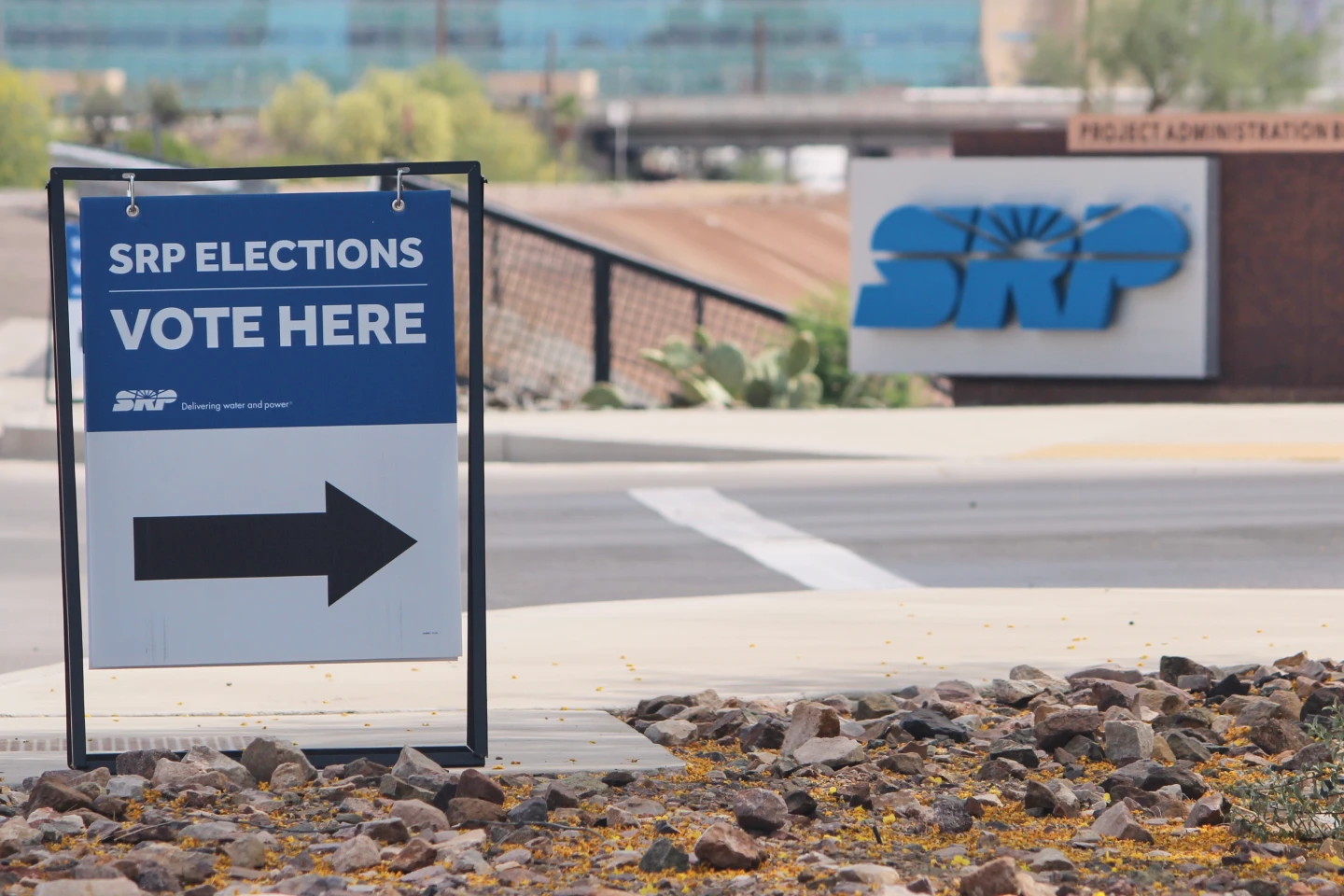
During last year’s elections in states like Georgia and New Jersey, similar patterns emerged, which have now shifted to Arizona and Alabama where power bills are pressing voters to reconsider who controls energy policy. Organizations like Turning Point Action, known for rallying support for conservative candidates, aim to influence the Salt River Project election in Phoenix by advocating for reduced environmentalist influence over energy regulation.
In a significant shift, over three times as many voters in Arizona have requested early ballots compared to previous years. The Salt River Project is facing scrutiny to cut coal reliance as its customer base grows, fueled by a surge in data centers and semiconductor manufacturing in the fast-developing Phoenix area.
As diverse factions converge on these elections, major parties are battling for control. One slate, backed by Turning Point Action, seeks to oppose climate-focused candidates, while another, supported by the Jane Fonda Climate PAC, rallies for renewable energy solutions.
“We can't just switch to solar overnight; it could lead to reliability issues and blackouts,” cautions Jimmy Lindblom, a business leader advocating for a balanced approach to energy growth in Arizona. Meanwhile, voters in Alabama are similarly motivated by rising electricity costs, prompting legislative actions that aim to reshape the Alabama Public Service Commission ahead of critical elections this year.
Former Senator Doug Jones criticizes these legislative maneuvers as efforts to shield the Republican Party from backlash in light of recent Democratic victories in Georgia’s utility elections. The Alabama legislature is under pressure to address consumer protection while also facing campaigns from both Democratic and Republican candidates who vow reforms in the wake of public discontent with utility management.
As utility board elections heat up, the implications of these battles could significantly shape future energy policies across these states, impacting millions of customers and their access to reliable and affordable electricity.