In brief
As spring ushers in vibrant cherry blossoms at Washington's Tidal Basin, over 2,500 National Guard troops patrol the city, a deployment that remains contentious. Eight months into the deployment, sparked by a reported crime emergency, the presence of armed Guardsmen has become routine yet largely unaddressed by local officials. While proponents argue that their support has contributed to crime reduction, critics question the growing militarization of the city and its implications for democratic oversight and local autonomy.
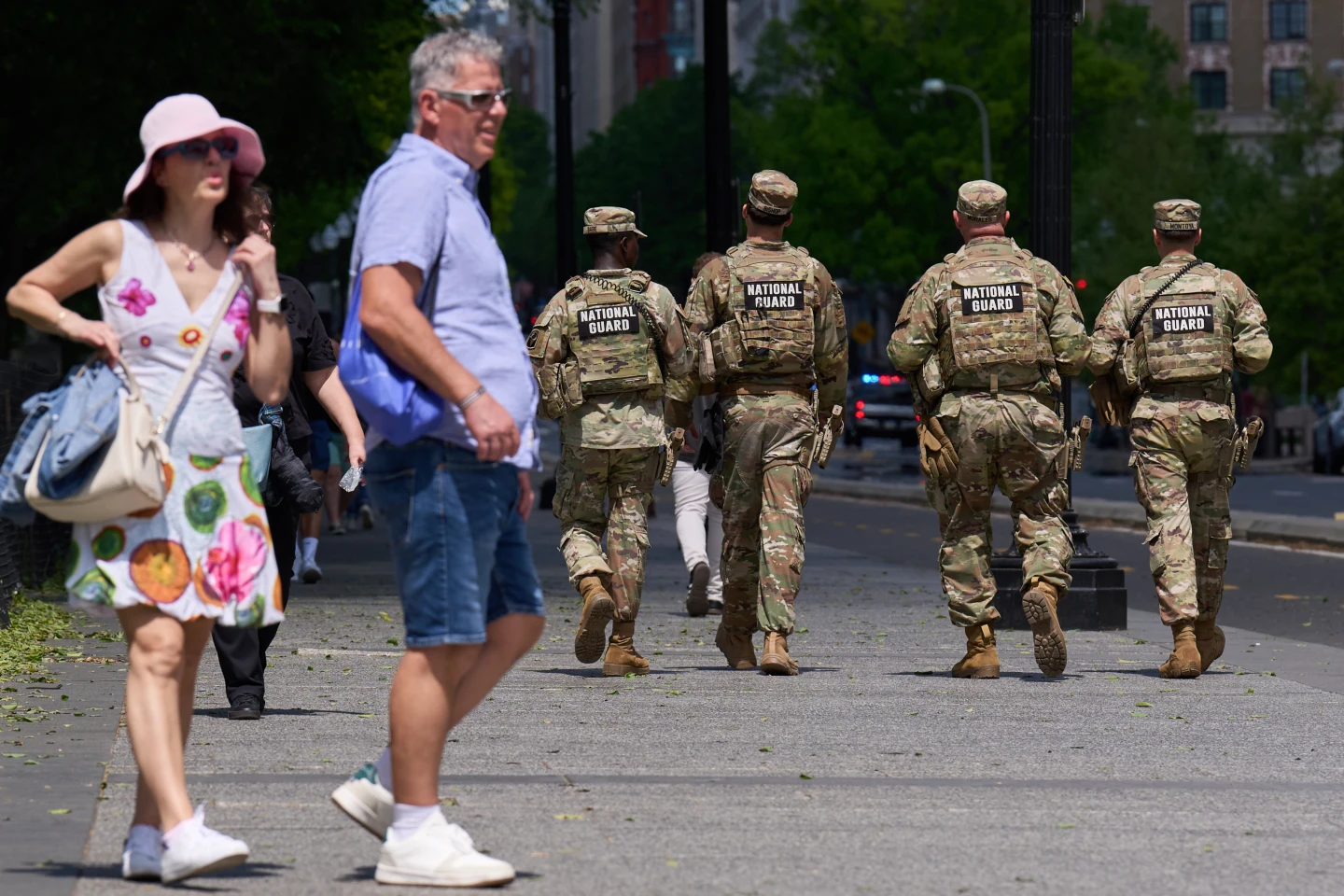
WASHINGTON (AP) — The cherry blossoms draw more than a million visitors to Washington’s Tidal Basin annually. This year was no different, except some strolling the area between the Lincoln Memorial and the Thomas Jefferson Memorial were dressed in camouflage -- and armed.
Eight months after President Donald Trump declared a crime emergency in the nation’s capital, more than 2,500 troops remain deployed, with the routine presence lacking a clear end in sight.
While deployments in other cities have either ceased or been paused, National Guard members continue to patrol streets, metro stations, tourist attractions, and parks in Washington, D.C. This extended presence comes amid pivotal elections, yet it remains barely mentioned in city council meetings or mayoral campaigns.
Taxpayers are reportedly spending over a million dollars a day to maintain the patrols, leading to ongoing criticism from community leaders. Phil Mendelson, chairman of the D.C. Council, expressed the troubling optics of armed soldiers on American streets.
Trump's executive order, enacted to address the so-called crime emergency, involved not only the National Guard but also additional federal law enforcement. While federal representatives claim a decrease in crime resulted from the initiative, local perspectives vary significantly.
Several local leaders have raised concerns about the continuing deployment, questioning its effectiveness amidst ongoing court battles over the legality of the military's presence.
With the upcoming primaries scheduled for June 16, the focus remains on issues such as affordability and federal accountability, rather than the militarization of local law enforcement. Nonetheless, some residents express concern over the implications of a continued military presence, particularly regarding its effects on voting and community safety.
Advocacy groups are planning protests to put pressure on federal authorities, emphasizing the need to restore local governance and end what they call a military occupation of the District.