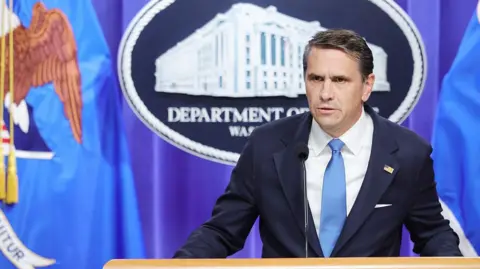
The Southern Poverty Law Center is in the spotlight after the civil rights group announced Tuesday that it is the subject of a U.S. Justice Department criminal investigation due to its past use of paid informants.
The center, which previously utilized informants to infiltrate extremist organizations, now faces potential charges, according to its CEO Bryan Fair. The organization has experienced credible threats of violence, with the information gathered by informants reportedly helping to save lives. This information has also been shared frequently with the FBI and other law enforcement agencies, Fair stated.
As of now, the Justice Department has not commented on the situation.
History and Mission of the SPLC
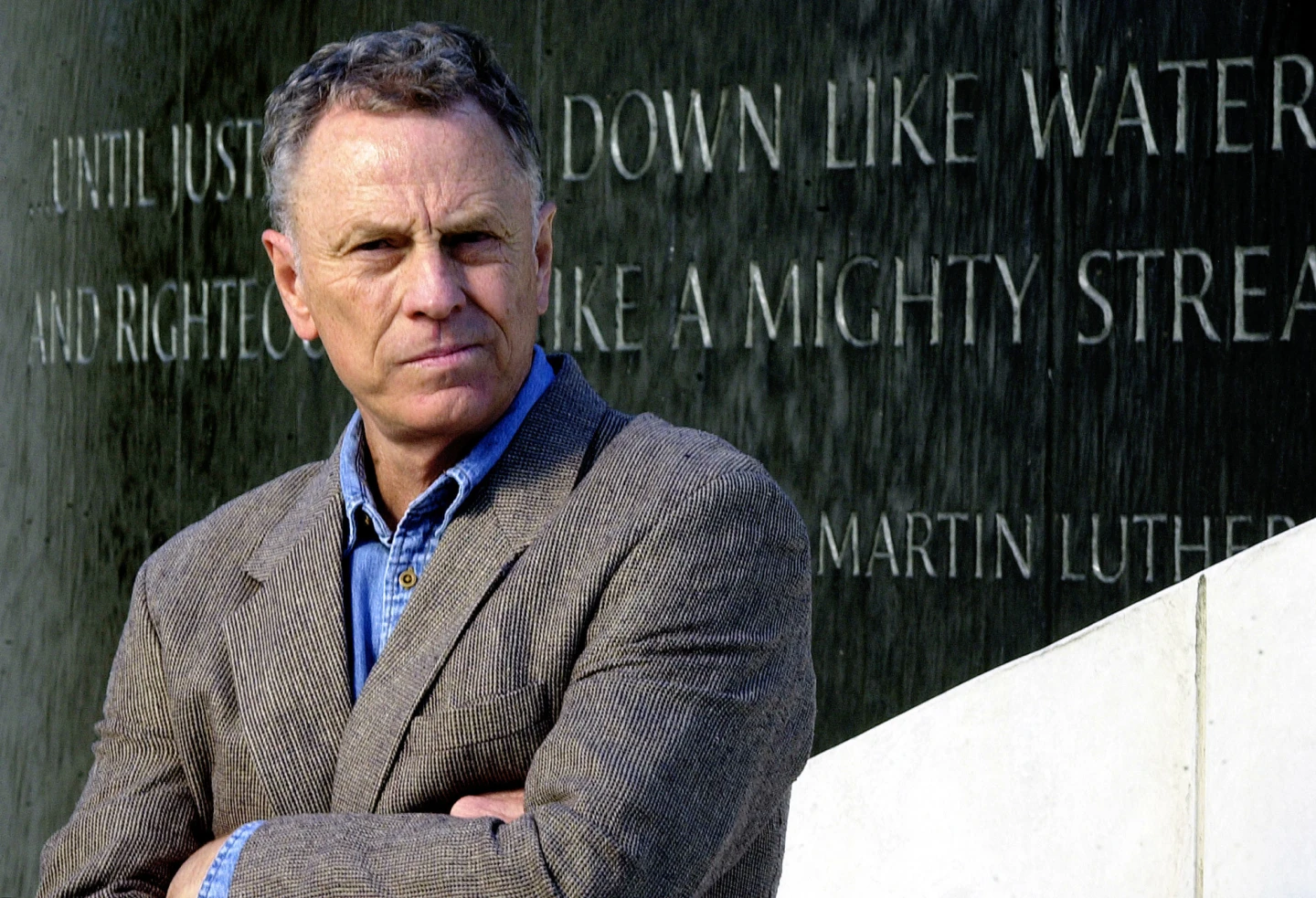
The SPLC was founded 55 years ago by Alabama lawyer Morris Dees to advocate for civil rights, focusing on representing disenfranchised individuals faced with legal battles. At its inception, the SPLC took on cases that established significant legal precedents for desegregation.
By the 1980s, the SPLC had expanded its efforts to monitor hate groups across the U.S., beginning with a focus on the Ku Klux Klan. Despite this noble effort, members of such organizations often retaliated, such as the 1983 attack where KKK members attempted to burn down the SPLC’s offices.
Increasing Tensions and Criticism
The use of paid informants has allowed the SPLC to gather pivotal information regarding potential threats, but it has also drawn criticism over the classification of certain groups as hate organizations. In particular, conservative groups, such as the religious organization Focus on the Family, have been labeled based on their opposition to LGBTQ+ rights.
This scrutiny intensified following the assassination of conservative activist Charlie Kirk, leading to renewed discussions about the SPLC's role in labeling extremism. Following these events, the FBI's decision to cut ties with the SPLC, stating it had become a 'partisan smear machine,' marked a significant shift in the relationship between federal law enforcement and civil rights organizations.