In brief
The Republican-led Congress is advancing a resolution to lift a mining ban in Minnesota's Boundary Waters region, despite strong opposition from local Democrats and environmentalists. Proponents argue that mining will boost jobs and local economies, while opponents warn of potential ecological disasters. The controversial measure, now heading to President Trump for approval, marks a significant point of contention around land use and conservation in the area.
Congressional Republicans have sent President Donald Trump a resolution that would lift a federal ban on mining near Minnesota’s Boundary Waters Canoe Area Wilderness, hoping to clear the way for a South American company to extract precious metals from the region’s pristine forests, lakes, and bogs.
House Republicans approved the resolution last month despite conservationists’ warnings that the move would lead to devastating pollution in one of the country’s last remaining wild areas. The Senate followed suit Thursday, voting 50-49 to send the measure to Trump for his signature.
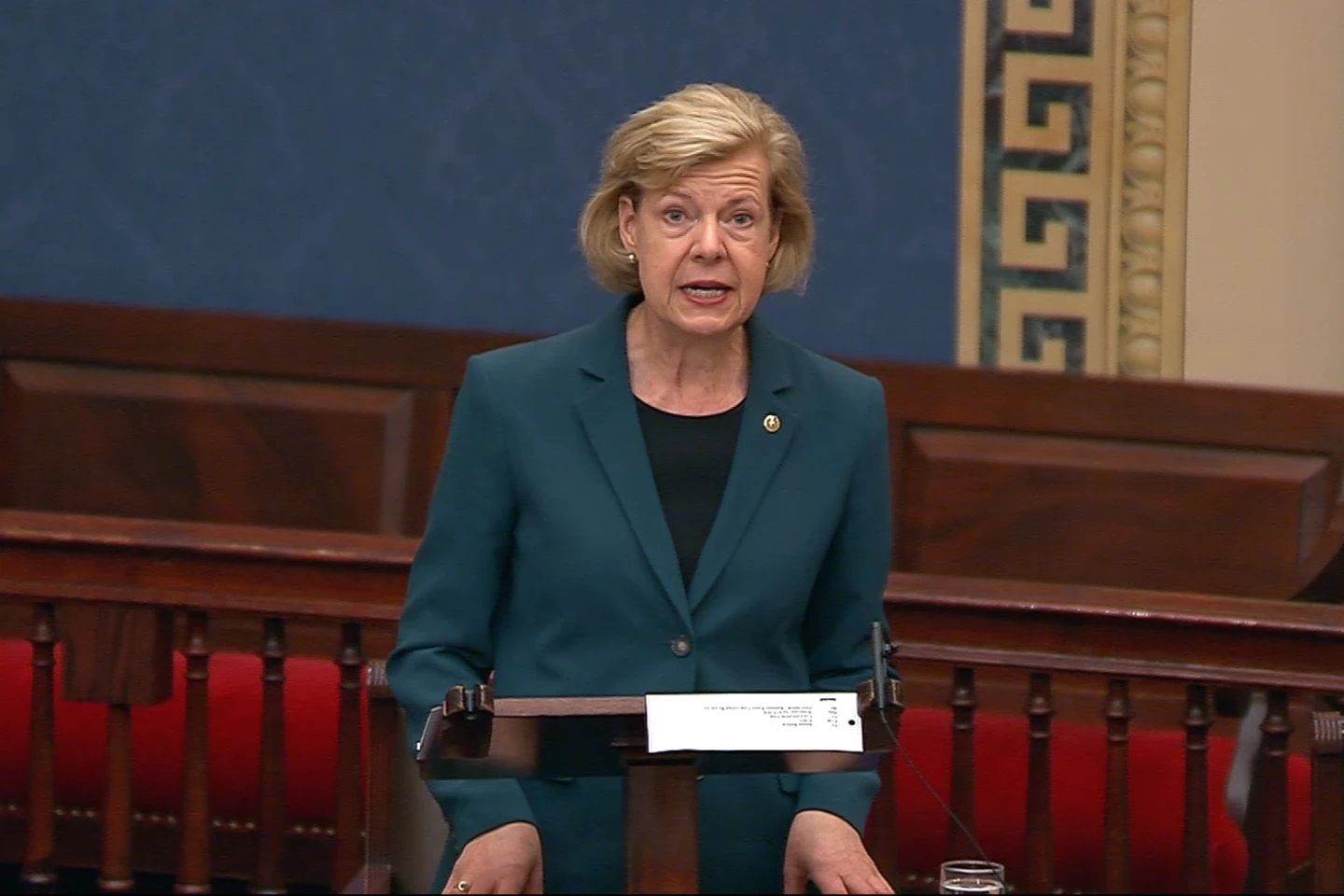
Democrats argued on the Senate floor that lifting the ban would set a dangerous precedent that could lead to lifting protections on public lands across the country. Minnesota Senators Amy Klobuchar and Tina Smith warned that Republicans were stealing part of their state’s identity.
Klobuchar, who has supported iron mining in the past but is now running for Minnesota Governor, called the Boundary Waters a place of “mist over meadows” and “sunlight on leaves.” Smith stated that the GOP was ignoring the wishes of Minnesotans who do not want to see the wilderness area destroyed.
“You can support mining, but that does not mean you support every mine in every place,” Smith emphasized. Notably, no Republicans spoke during the debate on lifting the ban.
Stars, solitude, and silence
The Boundary Waters Canoe Area Wilderness stretches for about 150 miles in the Superior National Forest along Minnesota’s border with Canada. It is a land of crystalline lakes, vast forests of pine, spruce, and birch, striking sunsets, and clear, star-dusted nights.
Logging is prohibited, and stringent regulations limit airspace to 4,000 feet except in emergencies, while motorized watercraft are restricted to specific areas. Tens of thousands of canoeists, kayakers, and campers explore the wilderness each year, according to U.S. Forest Service data.
Company eyes region’s metals
Part of the national forest that encompasses the wilderness area sits on what’s known as the Duluth Complex, a rock formation that contains copper, nickel, lead, zinc, iron, silver, and gold. Twin Metals Minnesota LLC, a subsidiary of Chile-based Antofagasta Minerals, submitted a plan to the U.S. Department of the Interior in 2019 to mine copper, nickel, and other precious metals in the national forest, promising hundreds of union jobs and tax revenue for struggling communities.
However, environmentalists warn that mining pollution could contaminate the watershed. A coalition, including descendants of Teddy Roosevelt, has urged Senate Republicans to maintain the moratorium. Protests against the lifting of the ban have occurred at state capitols and in front of local congressional offices, emphasizing the deep divide between economic interests and conservation priorities in this critical area.
While lifting the moratorium is a step pushed by the Trump administration to boost domestic energy and mineral production, complications from potential lawsuits and local resistance may delay mining operations significantly, if they begin at all.