In brief
In a decisive move, Argentina's Congress has passed a bill that amends previous protections for glaciers, allowing mining in these sensitive areas. While proponents argue this will enable resource utilization to spur economic growth, opponents fear the impact on vital water supplies. This amendment shifts authority over glacier protection from federal to provincial governments, igniting protests and concerns over the future of Argentina's freshwater resources.
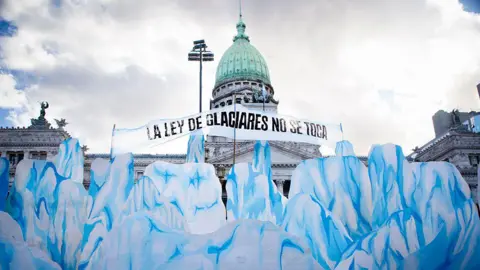
Argentina's Congress has passed a controversial amendment making it easier to mine in glacier regions, a move environmentalists say weakens protections for crucial water sources.The pioneering Glacier Law, approved in 2010, prohibited all mining and exploration activities in glacier regions by protecting them as water reserves. The reform shifts the responsibility of defining protected glacier areas from the Argentine Institute for Snow, Ice and Environmental Sciences (Ianigla) to the provincial governments.President Javier Milei, who backed the reform, stated the change 'empowers the provinces to utilise their resources' and facilitates mining in areas that were previously protected.While supporters of the bill argue it fosters economic development, opponents such as Congresswoman Natalia de la Sota warn that it puts the fundamental resource of water at risk: 'Without water, we can't even think about a growth and development project.'The reform has already seen protests, with demonstrators asserting 'hands off the glacier law' as a rallying cry against the potential environmental impacts. Critics assert that all glaciers and periglacial environments are vital freshwater reserves, and the amendment risks jeopardizing this essential water supply in an increasingly dry climate.Governors from mineral-rich provinces have expressed support, arguing that the previous law obstructed sustainable economic progress, while environmental advocates like Greenpeace continue to voice strong opposition to the new measures.