In brief
In a controversial move, President Trump sought to cancel five major offshore wind projects, prompting backlash from within the Republican Party. Lawmakers, including Rep. Jen Kiggans from Virginia, argue against the decision as it jeopardizes job creation and economic growth in coastal states. As election dynamics shift, the conflict reflects the broader struggle over energy policy in America, especially for Republicans facing electoral challenges in Democrat-leaning districts.
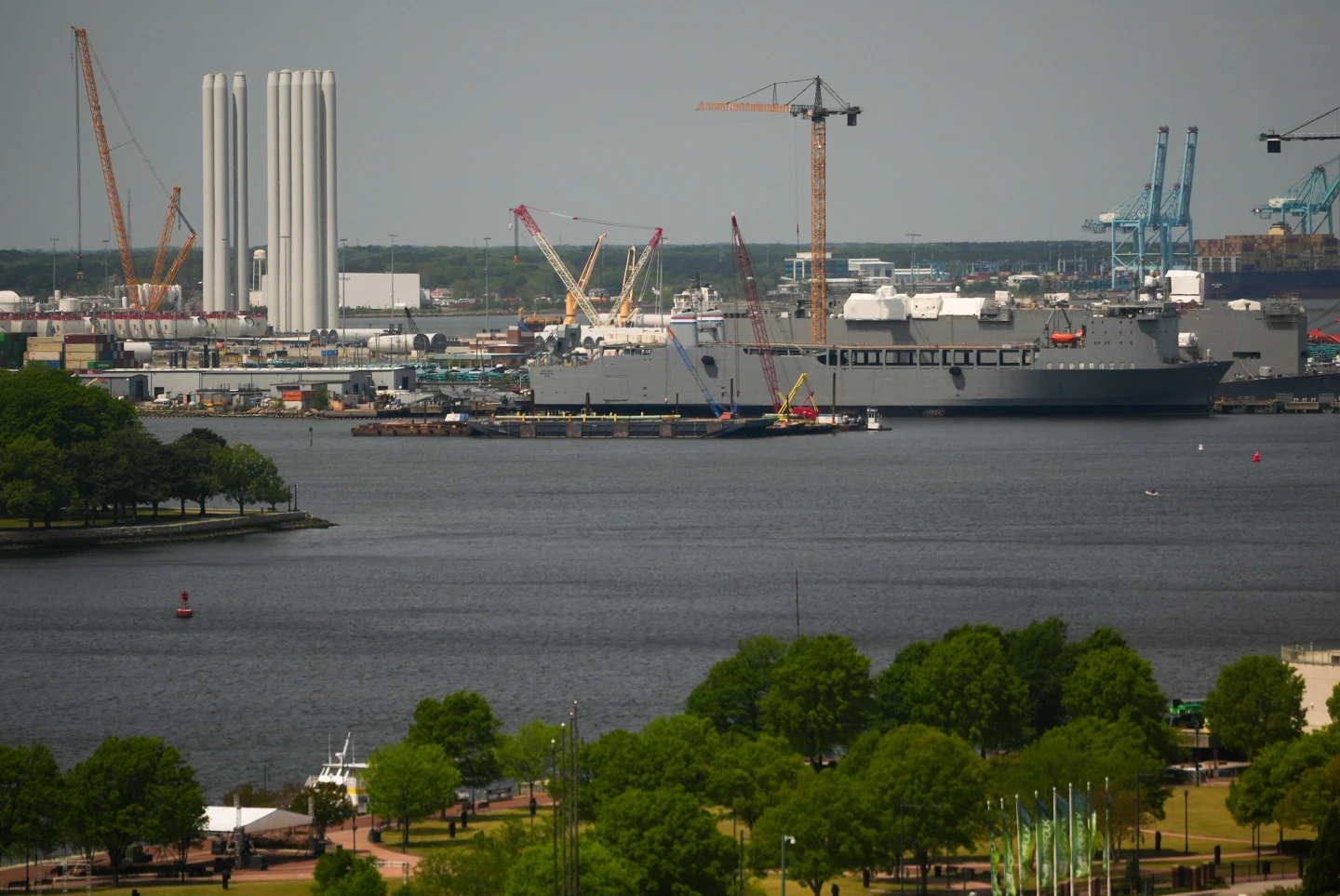
PORTSMOUTH, Va. (AP) — When President Donald Trump attempted to cancel five massive offshore wind projects under construction along the East Coast, he faced unexpected opposition from nine Republican members of Congress who sent a letter to administration officials demanding an explanation. They argued, America’s energy policy should be grounded in facts, fiscal responsibility, and the national interest — not ideology or politics. Among them was Rep. Jen Kiggans, a former Navy pilot representing a Virginia coastal district, where a significant wind farm is set to generate 1,000 jobs. This dynamic underscores the shifting sands of energy politics in a crucial election year where Republicans, particularly Kiggans, are at risk in increasingly Democrat-leaning districts.The cancellation of offshore projects aligns with Trump's broader agenda against clean energy, resulting in close to $35 billion in lost investments last year, as reported by E2, a clean energy business group. Republican-held districts experienced a much steeper decline in investment compared to Democratic areas. Kiggans, however, is caught in a dilemma as she has also voted in favor of legislation that undermines clean energy tax credits, a fact that is being highlighted in Democratic campaign ads.Despite the political tension, the Virginia wind project remains operational post federal court rulings. In contrast, former Congresswoman Elaine Luria, vying for the Democratic nomination against Kiggans, claimed that Kiggans' advocacy efforts were ineffective against Trump’s actions.As Trump continues to disparage clean energy, calling windmills STUPID AND UGLY, and pushing non-renewable energy policies, the landscape for clean energy initiatives remains precarious. The Coastal Virginia Offshore Wind project, which began delivering power last month, aims to create jobs and boost the local economy while facing threats from political leadership prioritizing fossil fuels.With the current political climate and Kiggans’ stance on energy policy, experts suggest that her position may alienate her from constituents who support renewable initiatives. As the deadline for the elections approaches, the future of offshore energy projects, and the jobs they promise, hang in the balance.