In brief
Families in West Virginia are grappling with electricity bills that have skyrocketed, surpassing previous years' charges significantly. Many residents like Rebecca Michalski find themselves unable to pay their utility bills, often making tough choices between food and heating amidst winter's chill. With the state's energy policies bound to coal, rising costs aggravate already strained household budgets, leaving communities in dismay as they seek answers and support from local leaders.
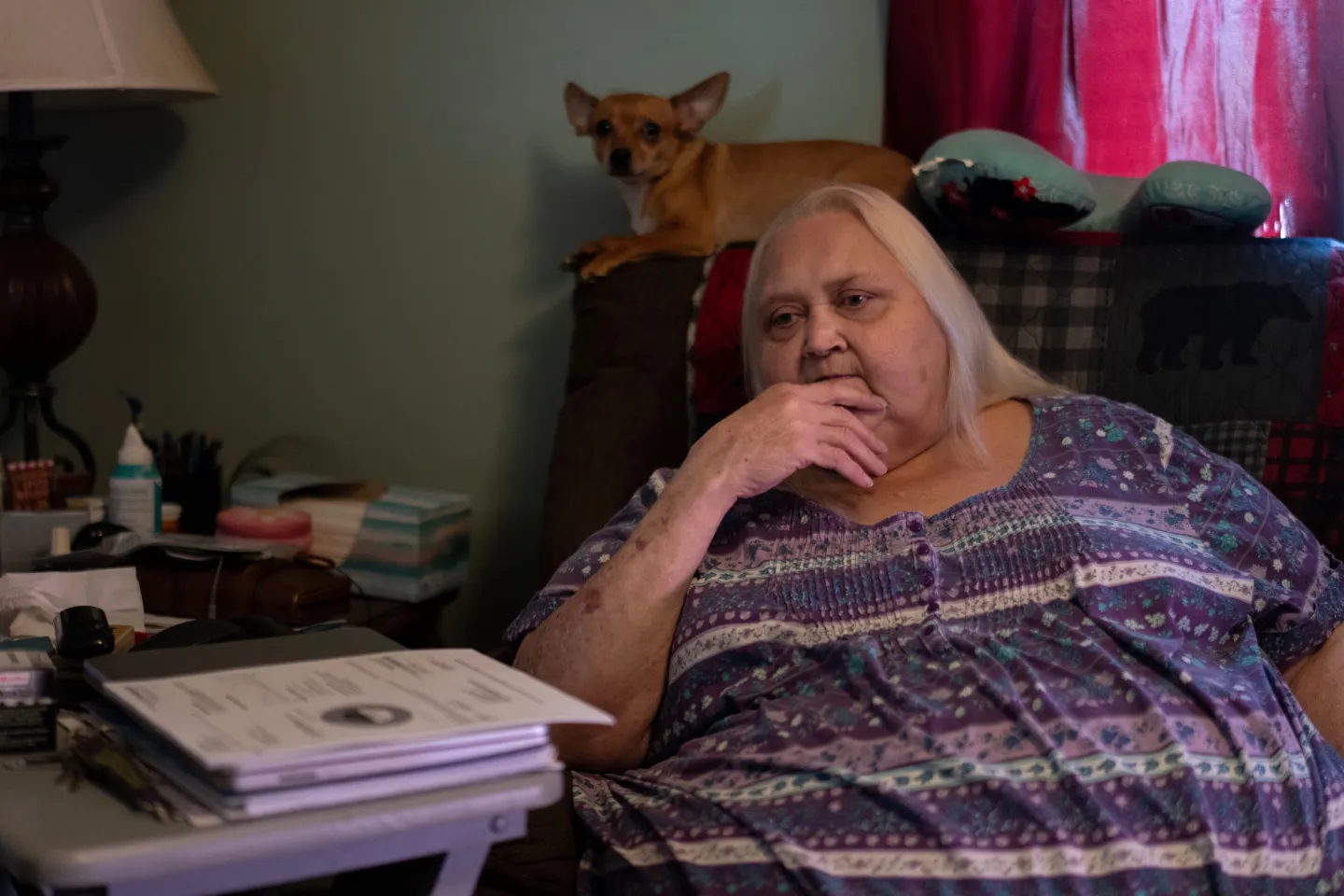
RAINELLE, W.Va. (AP) — Every month, Rebecca Michalski takes a deep breath before opening her electric bill. She lives on a fixed income, and heating her small house this winter has been staggering: Her February charge was $940.08 — more than her check.
It makes no sense. She turns the lights off during the day and only burns one lamp with an energy-efficient bulb in the living room at night, but she keeps falling further behind on payments. In desperation, she took out a loan after getting a cut-off notice during an extended arctic blast that kept the state’s heaters cranking when temperatures regularly dipped below zero.
“Every time you see that power bill, you’re just sick,” Michalski said, rifling through a stack of statements totaling thousands of dollars. “I already know before I open it. I just dread seeing how much.”
She’s taken to social media, demanding answers alongside thousands of other West Virginians who have been posting screenshots of their monthly charges. They are angry and perplexed over soaring utility costs that are surpassing rents and mortgages in one of the most energy-rich, yet poorest, corners of America, where some families have been forced to choose between paying for food or heat.
President Donald Trump, as part of his campaign pitch to “make America affordable again,” promised to cut Americans’ electricity bills by half during his first year to 18 months in the White House.
It hasn’t worked out. Instead, electricity increased 4.8% in February nationwide and piped natural gas prices rose 10.9%, both compared with a year earlier, according to the Labor Department’s Consumer Price Index. That surpassed inflation even before tensions over Middle Eastern energy sources exacerbated the situation.
Increasing demand, extreme weather, and outdated infrastructure contribute to the rising costs, with many West Virginia residents feeling the crunch. A staggering number of families are considered 'energy burdened', spending above 6% of their income on energy costs, a figure that shocks many yet reflects the severe economic reality some face.
With local advocacy groups attempting to push for reform, and public discourse shifting as costs rise, the forthcoming elections may also witness energy prices taking center stage in discussions between candidates, aiming to address constituents’ concerns on utility bills.
The consequences of the current energy policies, clinging to coal and limiting the shift to renewable energy sources, raise concern about future affordability, highlighting a community grappling with both economic and energy crises.