US Unveils Comprehensive Sanctions on the International Criminal Court
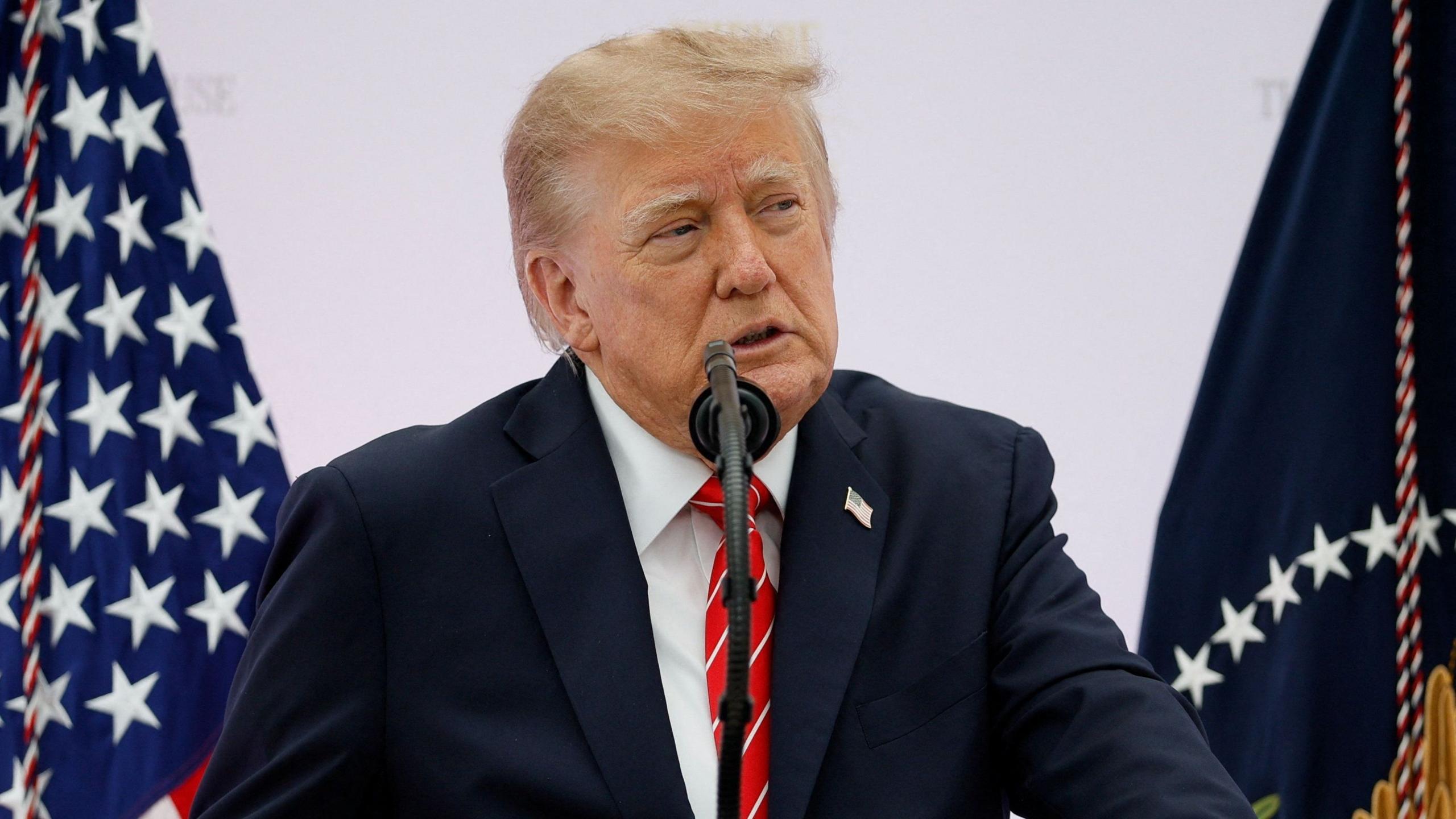
The Trump‑era administration has launched a sweeping set of sanctions against the International Criminal Court (ICC), calling the body a "rogue" institution that threatens U.S. sovereignty.
Secretary of State Marco Rubio announced that U.S. entities are barred from providing any services or goods to the court, a move that critics label an attack on the global legal order.
The ICC has rallied worldwide, describing the sanctions as “an assault on the rule of law” and refusing to be deterred. The United Nations, led by Secretary‑General Antonio Guterres, also condemned the measures, calling them a blow to collective international criminal justice.
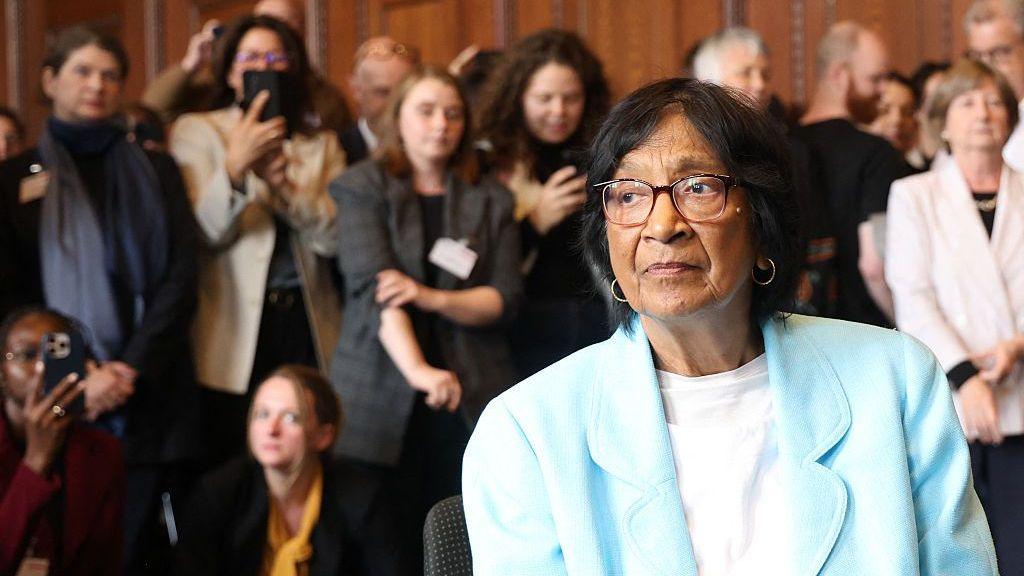
The sanctions come as former ICC judge Navi Pillay has just been awarded the 2026 Nobel Peace Prize for her efforts to promote justice, underscoring the irony of the U.S. critique.
Washington has granted a six‑month grace period to aid member states in financing the court’s work before the penalties take effect. This window, the administration says, offers time to negotiate a “solution to address” U.S. concerns.

International Backlash
Key allies—including the UK, Canada, Denmark, Germany, France, Italy, Japan and the Netherlands—have reaffirmed their support for the ICC while expressing disappointment over the U.S. sanctions.
The Netherlands, which hosts the court, is especially under pressure, with Foreign Minister Tom Berendsen warning of serious operational impacts.
Israeli Prime Minister Benjamin Netanyahu also praised the sanctions, insisting the ICC threatens sovereign democracies.

Impact on Ongoing Cases
A key concern is the effect on individuals awaiting trial, such as former Philippine president Rodrigo Duterte, accused of extrajudicial killings during his war on drugs. The ICC’s ability to conduct fair trials could be compromised if financial operations are curtailed.
The sanctions include carve‑outs to allow the court to maintain detention facilities for detainees, but experts warn that prolonged disruptions could force public releases.
Future Outlook
The U.S. stance signals a broader push against institutions it deems overly globalist. Whether the ICC can continue functioning under these pressures remains uncertain, but global legal scholars predict a potential stalemate and heightened calls for reform.