US Officials Watch Closely as Russian Plague Researcher Dies
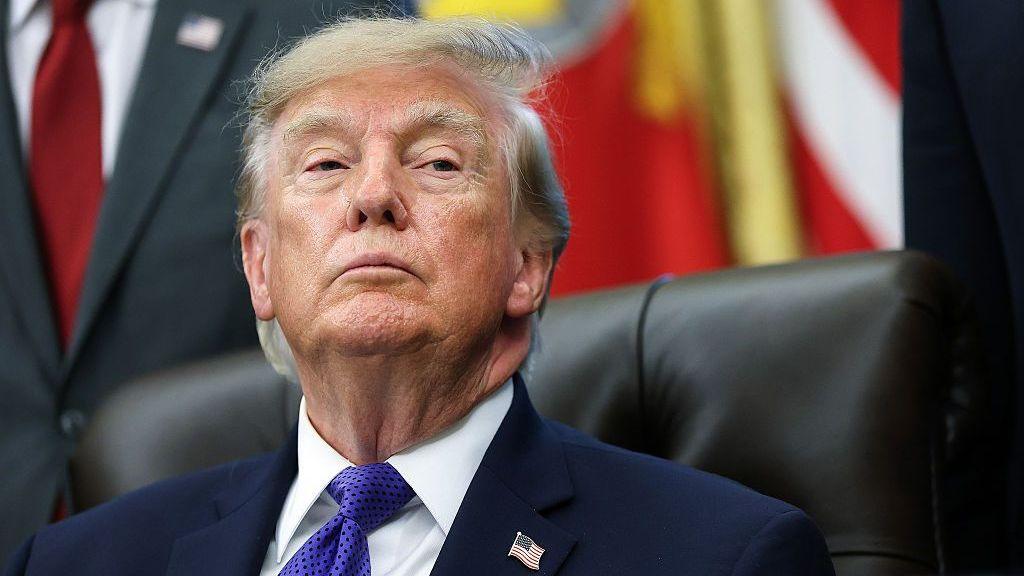
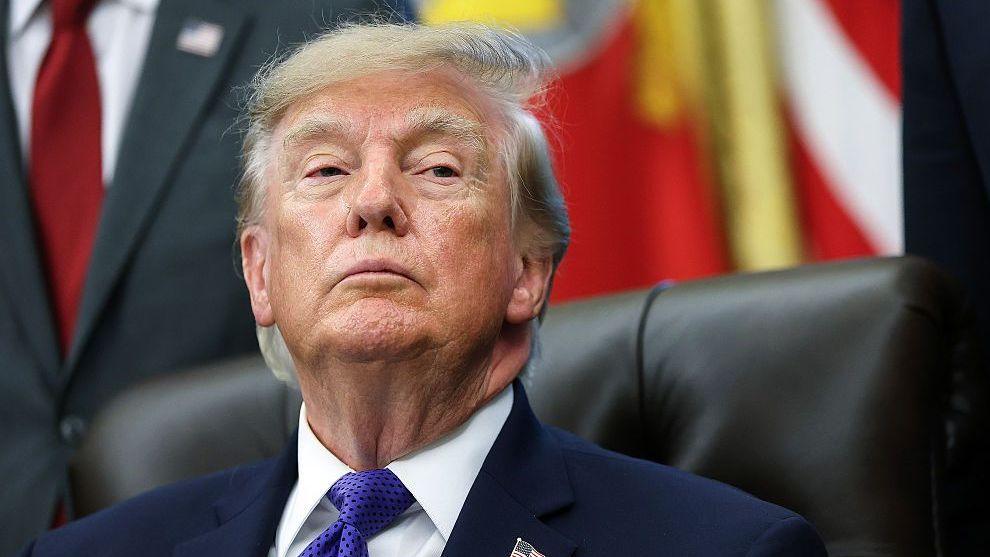
President Donald Trump said the United States is keeping a close eye on the death of a Russian laboratory technician at the Anti‑Plague Institute of Siberia and the Far East, saying it could be "very strong" though he had not yet spoken to the Kremlin about the matter.
Secretary of State Marco Rubio echoed the sentiment, stating Washington is monitoring the situation and that there is no reason for immediate alarm, although the potential for a pneumonic plague outbreak was noted.
Irkutsk governor Igor Kobzev reported the fatal case was classified as “pneumonia of undetermined etiology.” He added that laboratory tests found no micro‑organisms linked to the technician’s work in her biological samples.
Unconfirmed reports speculate that the worker may have been exposed after breaking a test tube containing Yersinia pestis or during a field visit to Buryatia, a region where plague circulates among wild rodents such as marmots.
No other members of the institute have sought medical attention since the incident, said the governor quoting the federal consumer and health watchdog Rospotrebnadzor. An internal safety team examined the facility and found no emergency.
Kremlin spokesman Dmitry Peskov urged the public to ignore rumours and trust official statements from Rospotrebnadzor.
However, Russian media reported that roughly 200 people who had contact with the deceased were placed under medical observation as a precautionary measure.
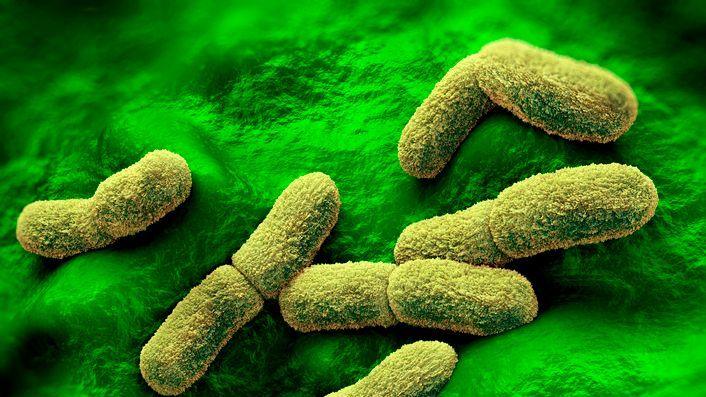
Dr. Simon Clarke, associate professor of cellular microbiology at the University of Reading, explained that pneumonic plague, caused by Yersinia pestis, is almost always fatal if untreated but can be cured with antibiotics. He warned that the disease can transmit between people, which fuels public concern.
Despite the rarity of modern outbreaks, Clarke noted that the bacterium remains present in certain parts of the world, including Siberia, and that research into it continues because of its potential use as a bioweapon. He said that while such speculation is understandable, “my earlier explanation is probably more likely.”
The incident underscores the delicate balance between scientific research on deadly pathogens and global public‑health security, as the United States and other nations keep a close watch on developments in Russia.