Trump’s Putin Deal: A Political Move Amid Sky‑High Fuel Prices
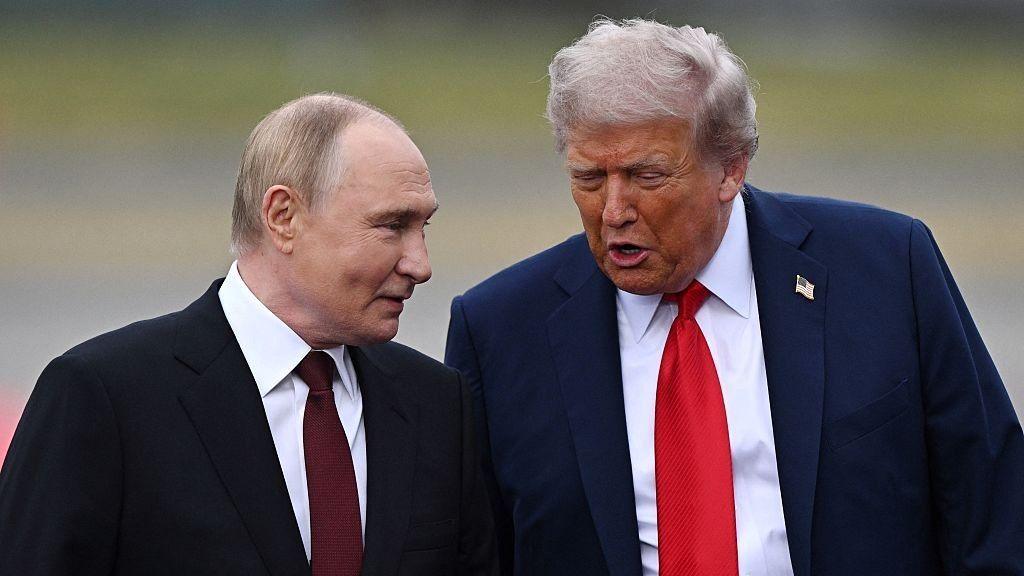
Donald Trump’s decision to import Russian diesel is a shocking reversal for a President who had just signed new sanctions on Russian energy exporters.
Just three weeks ago, Trump signed legislation to authorise fresh American sanctions and tariffs on nations that import Russian oil and gas.
Now, Trump says, Russian President Vladimir Putin has agreed to supply hundreds of thousands of tons of diesel fuel to the U.S. and world markets in the coming months.
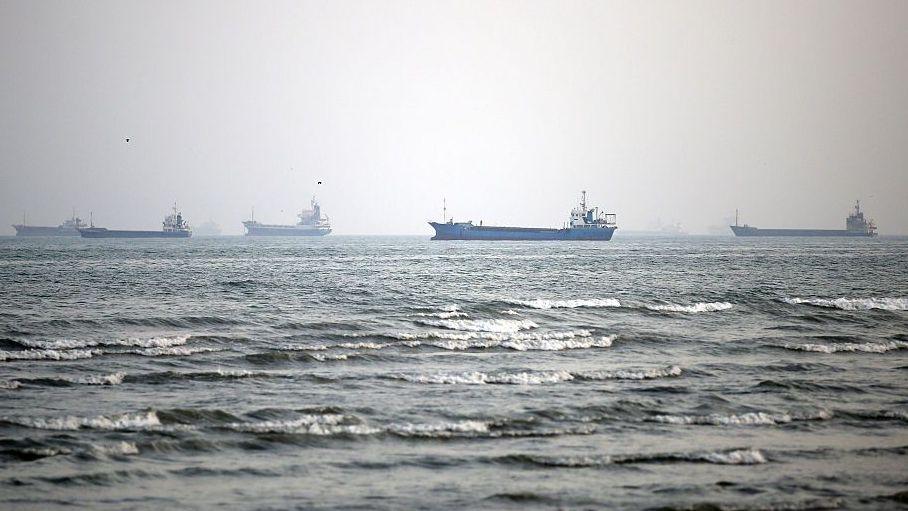
The deal comes as Trump grapples with the political fallout of the Iran war and its impact on global energy prices, weeks before American voters head to the polls in the mid‑term elections.
Fuel prices have spiked in America, stinging the public and contributing to widespread inflation. The cost has also hurt U.S. agricultural states that rely on diesel to run farms and transport produce.
States like Iowa, Kansas, Texas and Ohio have become unexpected political battlegrounds in the upcoming elections that will determine whether Republicans maintain control of Congress.
For months, the president has sought ways to ease his party’s political pain. He recently pressured European allies to tap deeper into their oil reserves, deferred federal taxes on fuel, and authorised the use of supplies earmarked for farm use in interstate trucking.
He also promised that he would not renew attacks on Iran until after the midterms—a rare acknowledgement of the conflict’s political impact.
Trump’s deal with Russia is the latest, most dramatic effort to ease pressure. While the details are murky, the arrangement could provide Russia with hard currency and by extension, more resources for the war machine.
Ukrainian President Volodymyr Zelensky has called the deal a "gift" to Putin, arguing that allowing Russia to sell petroleum products is an investment in a war that must end, not continue.
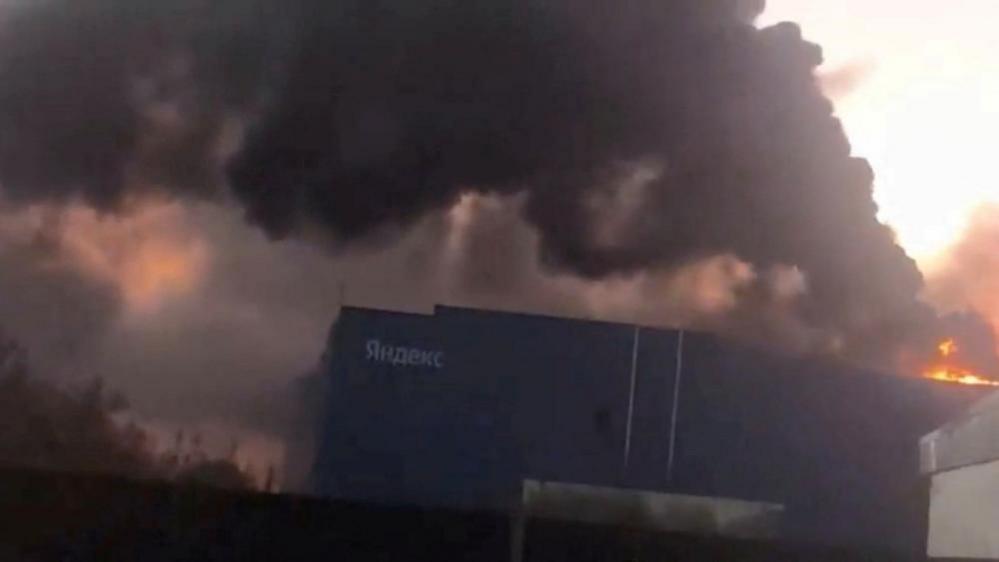
The promised European diesel release has not significantly shifted energy prices, and the timeline for Russian fuel to enter the market is unclear. Russia’s diesel refinery capacity has been damaged by repeated Ukrainian strikes—strikes that Trump has urged Zelensky to curtail.
America uses approximately 3.6 million barrels of diesel a day, so even if Russia delivers its promised 300,000 tons this month, that would amount to roughly half of the country’s daily consumption.
Americans may not notice a difference immediately, but with less than a month before November’s midterm elections, early voting has begun in many states and the political landscape is almost set.
"Lower prices for Americans, especially our Great Farmers, Ranchers, and Truckers, is my Greatest Priority," Trump wrote on his Truth Social post.
Yet over the past seven months, prices on energy, fuel, and consumer goods have only risen—despite Trump’s assurances of an imminent resolution to the war and an easing of its economic impact.
Trump may be hoping that his latest deal, setting aside diplomatic om‑phobias, will convince voters that his promise of economic relief is more than empty speech.
Fuel prices added to Google Maps as petrol and diesel costs soar