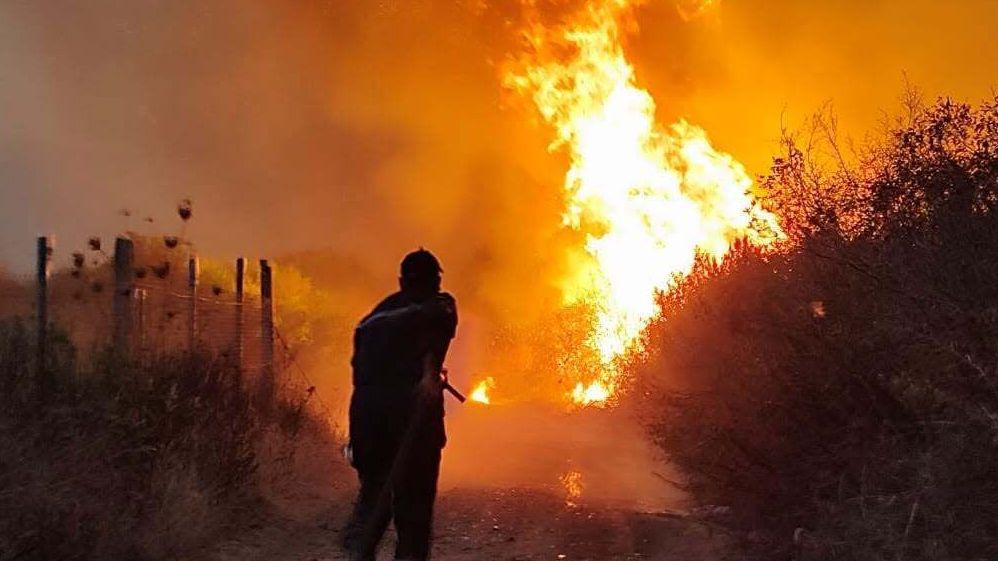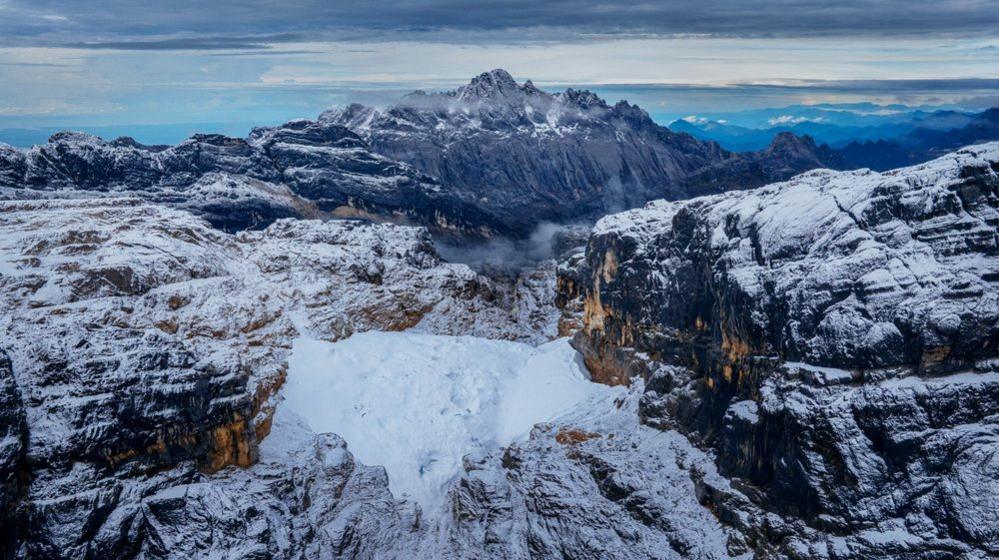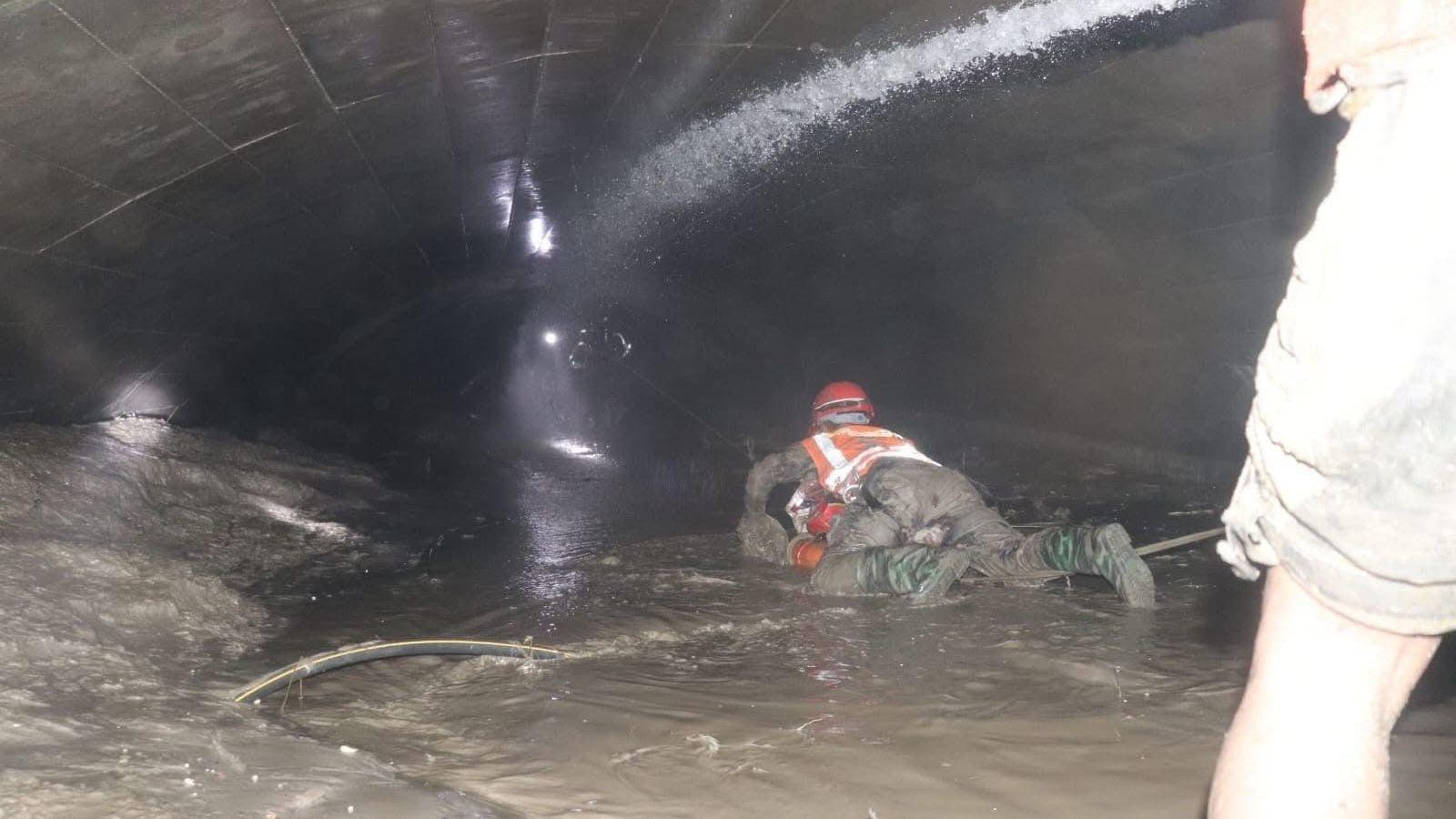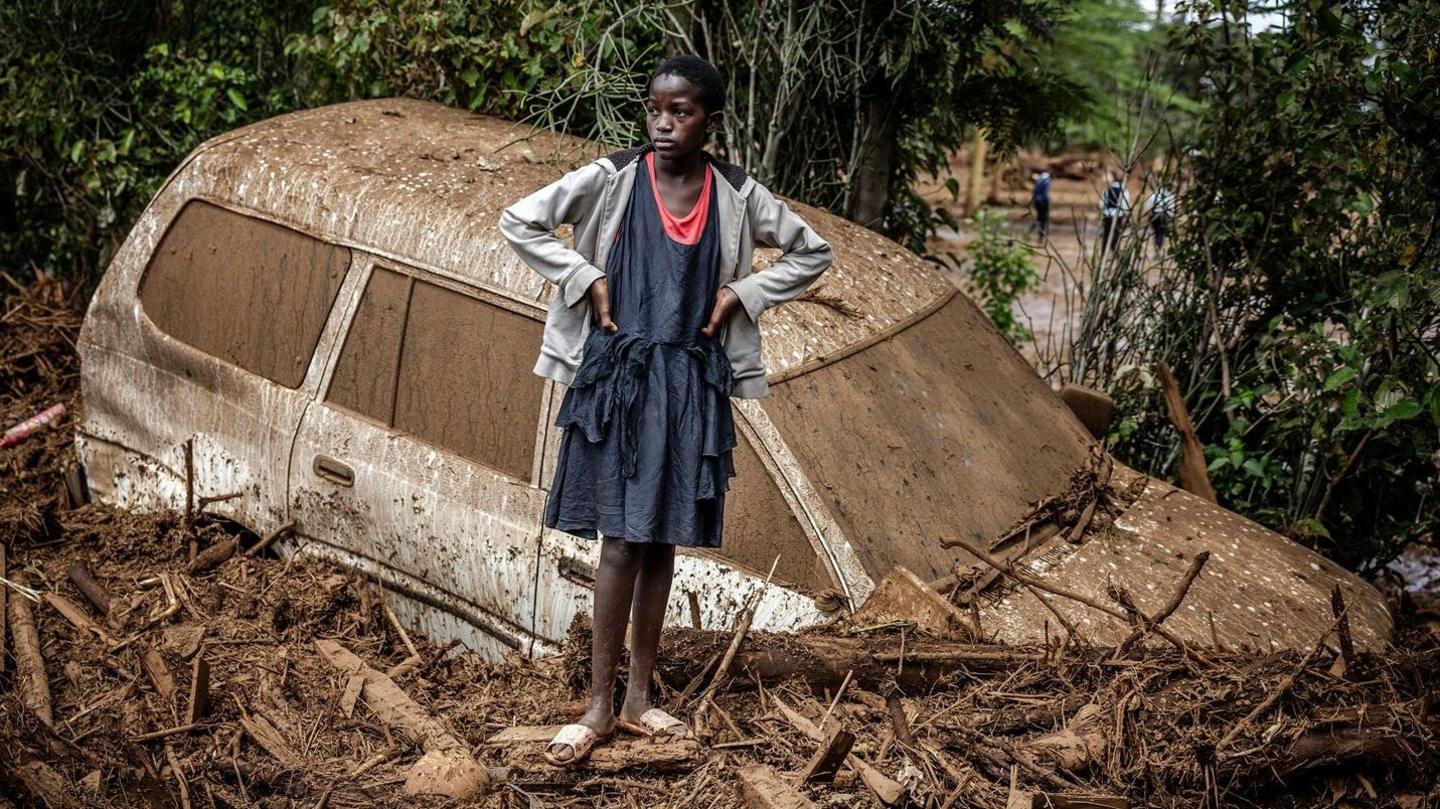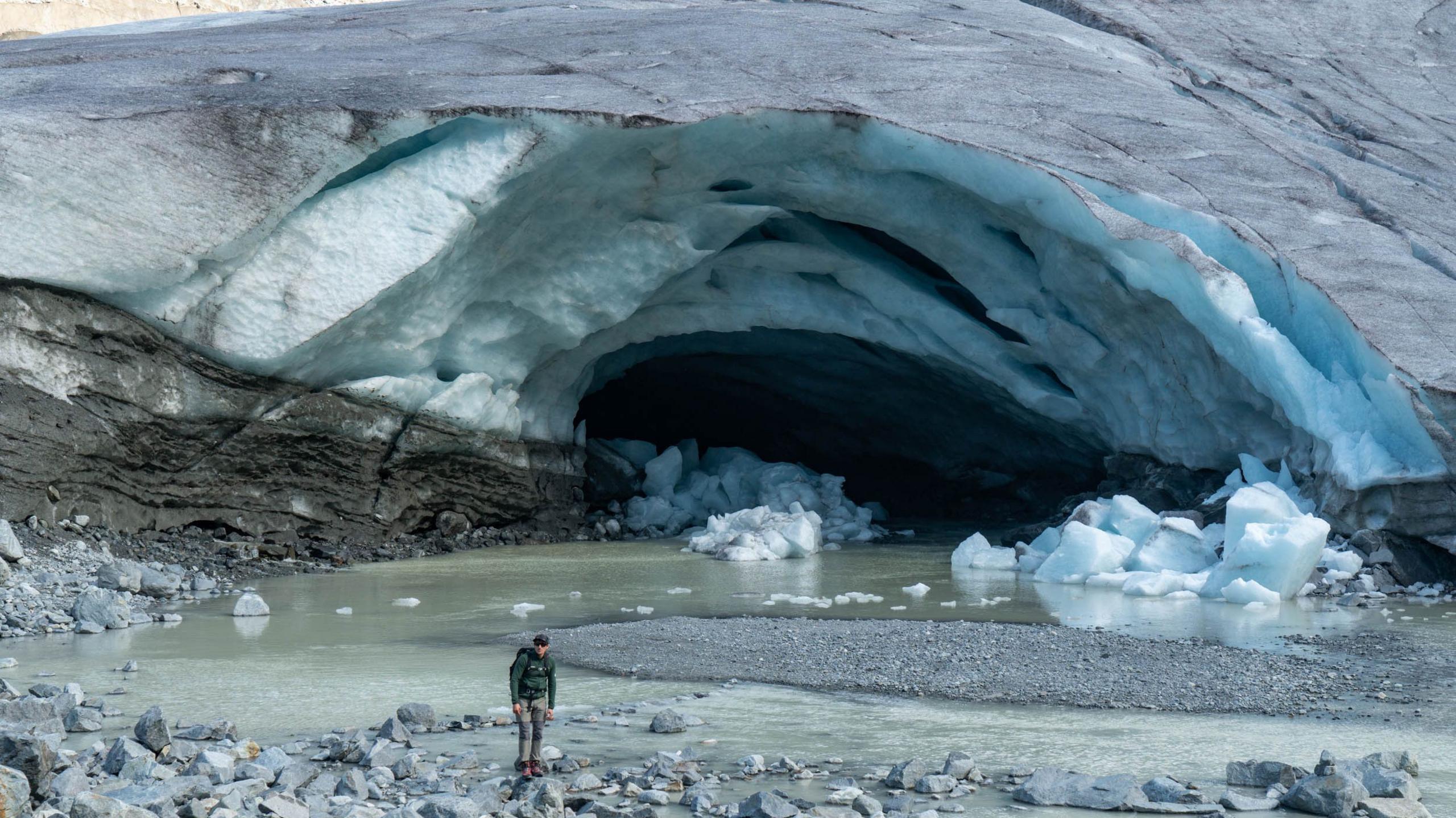
Swiss glaciers have suffered an unprecedented loss of ice in 2026, with recent measurements indicating that more than 5% of the remaining glacier mass has vanished over the past year.

The melt accelerated after a mild winter left the glaciers with less snow than usual, and early summer heatwaves erased that last layer of insulation. Bare ice, darker than fresh snow, absorbs more heat and feeds the rapid disappearance seen today.
Scientists warn that 5.5% of total glacier ice is far beyond the “extreme” threshold of 2% that used to define an extraordinary year. This surge in melting is already reducing the long‑term water storage that many communities depend on.
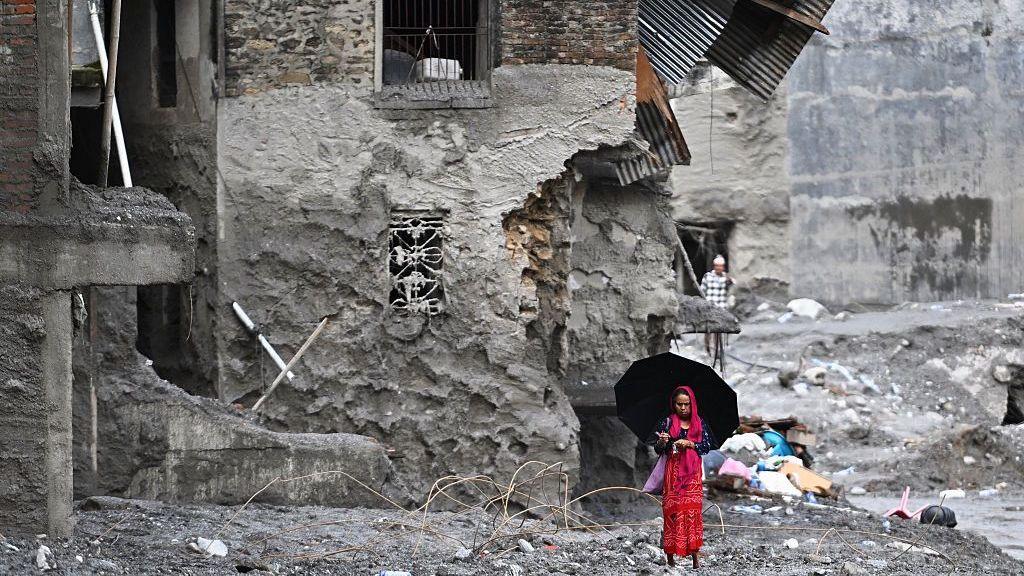
In addition to water scarcity, the loss of glacier mass destabilises mountain slopes. A similar collapse that triggered flash flooding in Nepal last August shows the potential for sudden, dangerous slip events in the Alps.
Switzerland’s hydropower grid and shipping lanes through the Rhine have already felt the effects, with river levels dropping to record lows during the hot summer months, raising shipping costs and jeopardising energy supply.
Glacier researchers also noted that even the highest elevations, with temperatures below freezing most of the year, were snow‑free by late summer. Without snow to compact into new ice, the glaciers starve and shrink further, a process that could finish many of them in the near future.
Despite these grim signs, scientists argue that decisive action on emissions can still protect the remaining ice. Reducing fossil fuel use would slow the temperature rise that threatens the world’s largest ice reservoirs and, in turn, curb sea‑level rise that endangers coastlines everywhere.
For more details on the drivers behind glacier shrinkage, read the full analysis of how fossil fuel emissions are linked to the global ice decline.