In brief
A chaotic jungle of mud and rock ripped through villages and highways on the Nepal‑Tibet border, killing at least 270 residents and leaving more than 800 people missing. Initial reports blamed an earthquake, but research shows the trigger was a glacier collapse and debris flow. Rescue teams from Nepal, China and international partners are racing to find survivors amid risk of secondary flooding. The disaster has also affected thousands of foreign tourists, with citizens from India, Ukraine, Malaysia, the UK, Canada, the US, and Australia among those missing. Governments are coordinating relief, while scientists seek to understand the link between rapid glacier melt and the disaster.
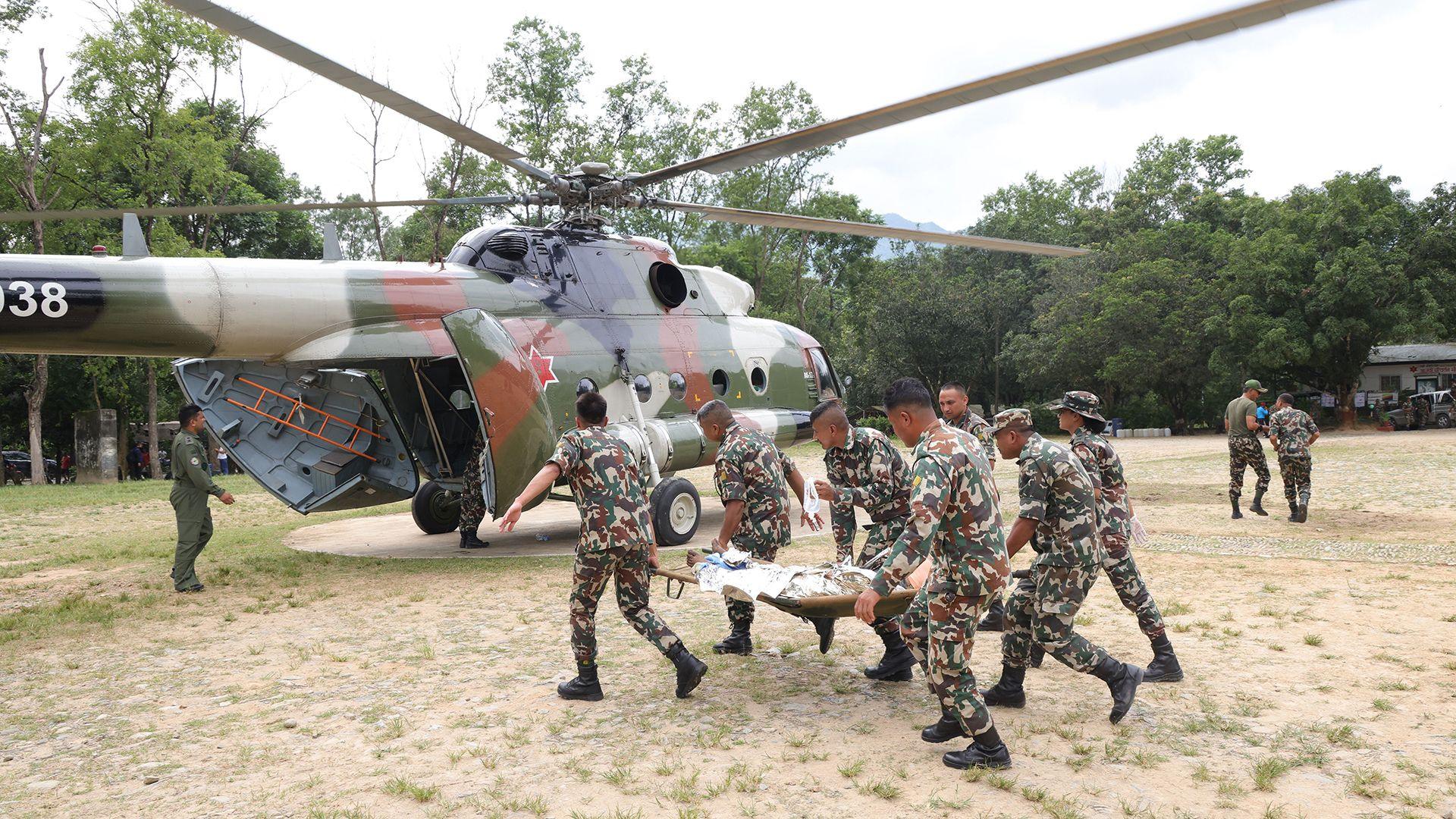
A huge landslide and flash flood ripped through the Nepal‑Tibet border on 26 August, leaving at least 270 people dead, hundreds missing and infrastructure destroyed. Rescue teams are still combing the wreckage while scientists investigate the root cause.
The trigger of the disaster
Early reports linked the event to a magnitude‑4.4 earthquake, but the US Geological Survey confirmed the tremor was actually a massive glacial collapse. The sudden release of ice, rocks and sediment unleashed a deadly debris flow that flooded the Trishuli river and swept away homes, roads and even a border checkpoint.
Casualties and missing people
Official counts show over 500 Nepali residents dead or missing, plus more than 800 foreigners, including 260 tourists from 16 countries. Nepal Police say 270 people have perished; 826 remain missing. China’s CCTV reports 558 missing in the Tibet side.
International impact on tourists
Foreign nationals from India (178), Ukraine (53), Malaysia (51), the UK (33), Canada (24), the US (65) and Australia (34) are among the missing. Smaller groups from Korea, South Africa, Portugal, the Netherlands and New Zealand are also affected.
Global response
Prime Minister Avan is coordinating a national response with China. President Xi Jinping has called for an all‑out search and reinforce early warning systems. India, the UN, the US, and the UK are pledging support; the Philippines has requested international assistance.
The United Nations is mobilising relief supplies and personnel, while the US has pledged $500,000 for emergency shelter, water, sanitation and medical supplies. Canada and Australia have announced aid packages and evacuation plans.
Future risks and science
Scientists are analysing satellite imagery for evidence of glacial lake outbursts, secondary dams, and the extent of debris blockages in the Trishuli River. The study highlights how climate change is accelerating glacier melt and increasing landslide risk in the Hindu Kush‑Himalaya region.