In brief
The northern coast of Algeria suffered a major wildfire disaster with 12 confirmed deaths and over 50 people injured, many requiring intensive care. Fires erupted across several provinces, severely compelling local authorities to evacuate communities and deploy firefighting resources. The tragedies come amid a prolonged heatwave that has intensified the region’s fire season, a pattern linked to rapid warming and reduced rainfall. Algerian officials, including the interior minister, have convened to assess containment efforts and bolster evacuation plans. These events underscore the urgent need for climate‑adapted fire management strategies in North Africa.
Algerian Wildfires Claim 12 Lives Amid Record Heatwave
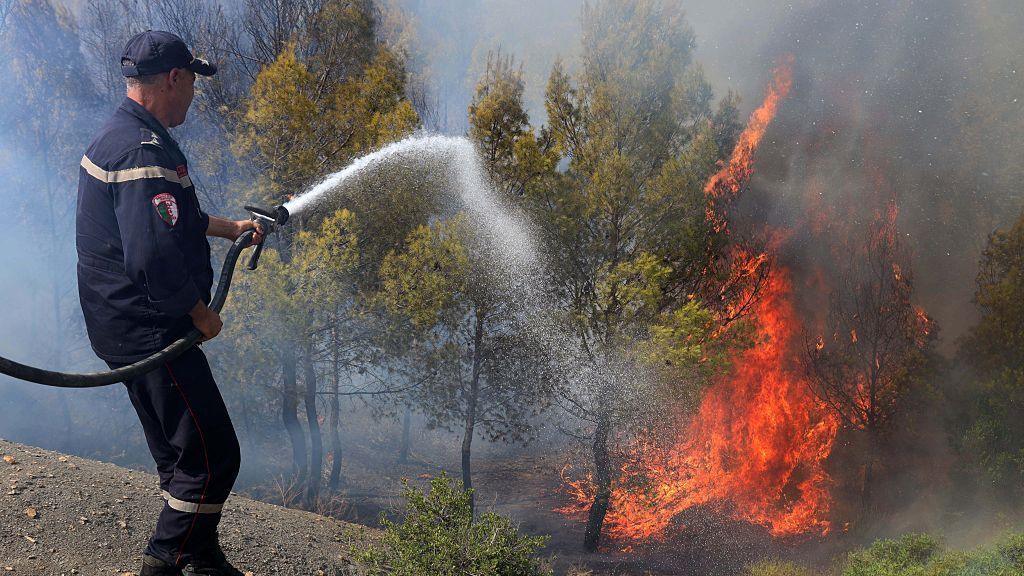
Civil protection crews fought blazes that spread across the northern provinces of Jijel, Bejaia and Tizi Ouzou, killing five, four and three people respectively.
Across the country, firefighters battled 69 separate fires, while dozens of residents were evacuated from homes and local businesses. In Bejaia and Jijel, many families took refuge in public buildings, including post offices, as smoke thickened the air.
The Interior Minister travelled to Bejaia with the Health Minister to assess local firefighting and evacuation efforts, underscoring the seriousness of the situation.
Health officials have treated 54 burn victims, six of whom required intensive care. The tragedy echoes a previous 30‑person loss during a severe fire five years ago in the same region.
Algeria’s summer fire season is increasingly severe, driven by higher temperatures, reduced rainfall, and longer dry periods. The World Meteorological Organization reports that North Africa has experienced the fastest rise in temperature among African subregions, a trend linked to climate change.
The heat has also triggered a spike in camel deaths during the season, according to recent studies, further stressing the ecological impacts of extreme temperatures.
Image: