In brief
The United Nations has sounded the alarm on a potentially record‑setting El Nino, which could bring the strongest warming in more than 70 years, raising the threat of extreme rainfall, typhoons, floods and drought across the globe. The World Meteorological Organization has forecast sea‑surface temperatures could reach up to 4 °C above normal, with impacts expected in Africa, Asia and the Pacific. Governments are tightening early‑warning systems and deploying medical aid, but experts warn vulnerable communities face heightened risk of death and displacement. Climate change may amplify the event, making its intensity tougher to predict. The world watches as preparations intensify across continents.
UN warns of "supersized" El Nino
The United Nations has warned that the upcoming El Nino could be the strongest in more than seven decades, prompting a global "danger zone" of extreme weather.
A record‑sizing surge in sea‑surface warmth
The World Meteorological Organization (WMO) says temperatures in the tropical Pacific are projected to rise as high as 4 °C above normal by late 2026, a step up from the 2 °C rise seen in the preceding months.
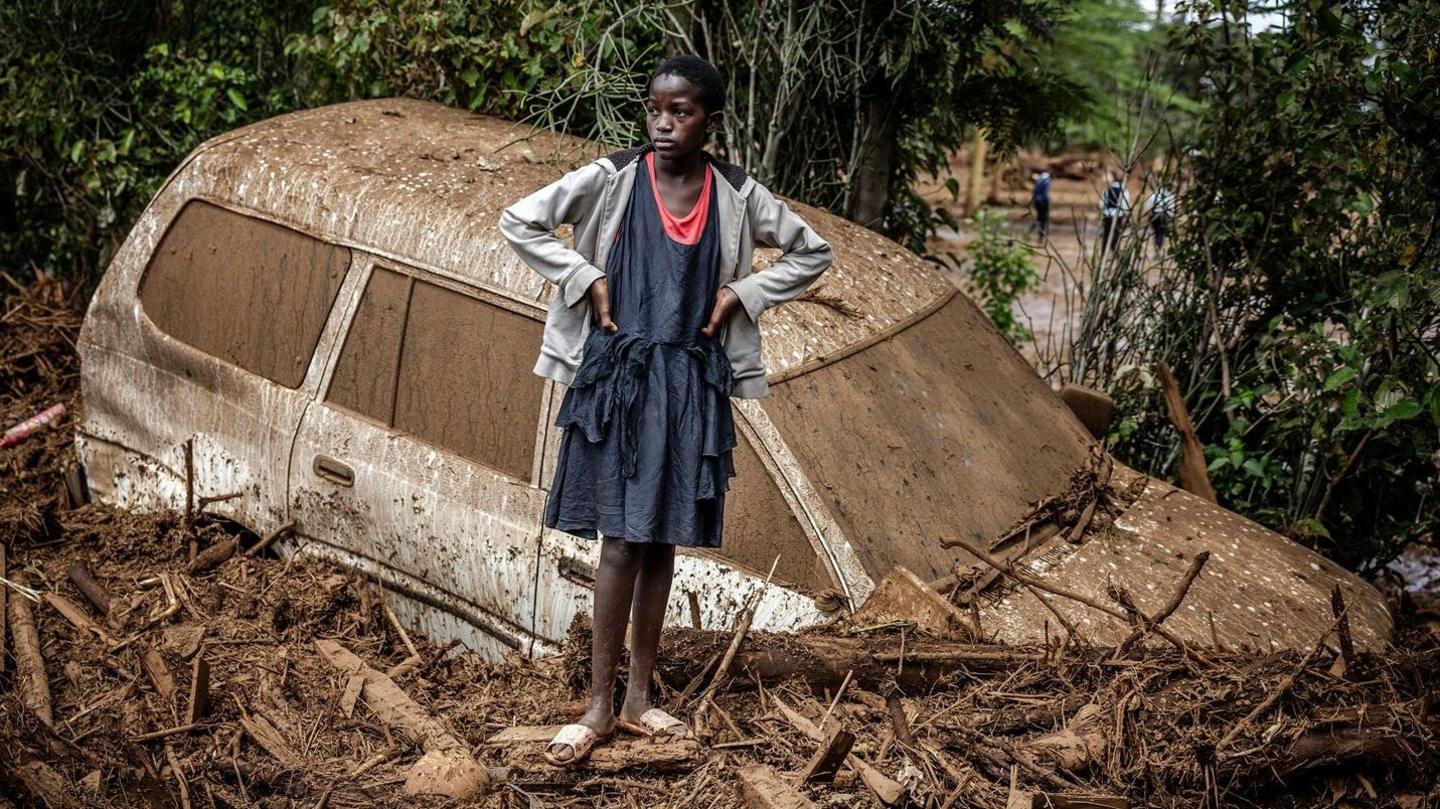
Such a fish‑tipped heat surge is expected to destabilise weather systems globally, pushing some regions into drought, while others may see stronger typhoons and flash floods.
Worldwide governments mobilise ahead of the storm
Early‑warning systems have been upgraded and pre‑emptive medical teams dispatched. High‑profile places like Panama, Indonesia and Southern Africa are bracing for reduced rainfall, wildfires and landslides.
In Peru, where coastal communities are notoriously flood‑prone, agencies are extending river‑level monitoring and the US has sent a medical vessel to offer frontline support.
Pitfalls of a climate‑changing world
Scientists warn that ongoing global warming may feed into El Nino’s intensity, yet the science remains unsettled. Regardless, the compounded heat is poised to amplify the damage already caused by natural climatic swings.
Action plans across continents
The WMO has dedicated a “major mobilisation” to circulate forecasts to communities worldwide, hoping to reduce deaths, displacement and environmental harm.
While it is clear the El Nino will bring severe weather, the stake lies in how quickly governments adapt, from better housing in exposed areas to fortified water and health systems.
For further updates, listen to the WMO’s latest briefing on BBC Sound, and keep an eye on future climate‑science newsletters.