Swiss Glaciers Melt at Record Pace, Threatening Water Supply
Scientists have recorded a 5.5% loss of Switzerland’s remaining glacier ice during 2026 – the fastest annual decline ever seen in the Alps.
In a new report from Glacier Monitoring Switzerland, researchers label the loss “extraordinary” and warn that rapid melting could compromise water supplies for farming, hydropower and transport for decades to come.
The heatwave of May and June stripped away the seasonal snow that had covered the glaciers, exposing ice surfaces that absorb more heat and melt faster than fresh snow.
Between July and September, glaciers released 2.2 trillion litres of meltwater, temporarily easing shortages but draining the reservoir that feeds rivers during dry spells.
At the highest elevations, no winter snow remained even at 3,500 metres – a sign that glaciers are starved and will shrink further, with some already vanishing.
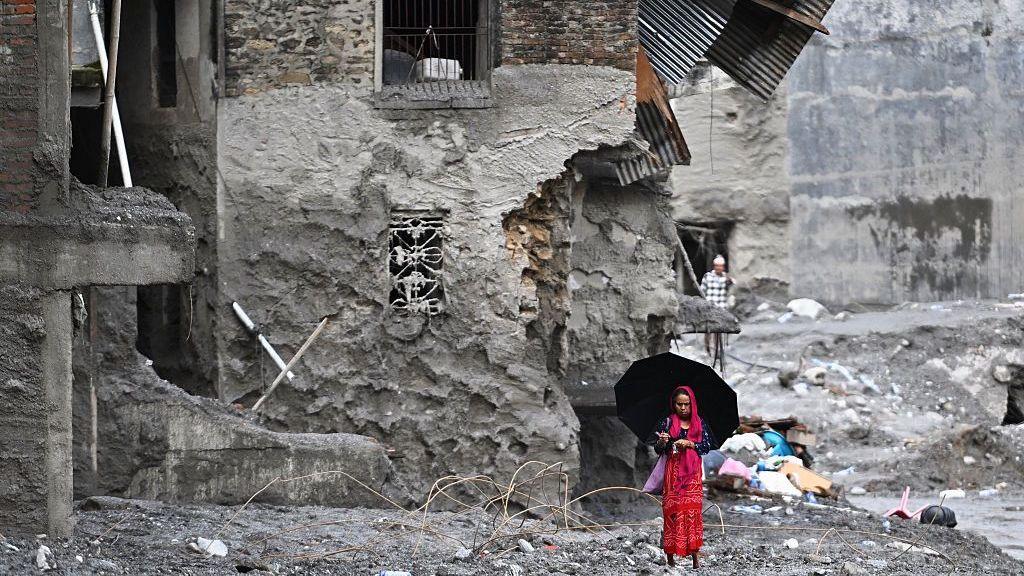
Taller glaciers also increase slope instability, amplifying flash‑flood and landslide risks, as seen in Nepal earlier this year.
Nonetheless, sharp cuts to carbon emissions could still save much of the planet’s ice, especially in the Himalayas and polar regions, potentially limiting future sea‑level rise.
Visualising the Loss
Monthly Glacier Images

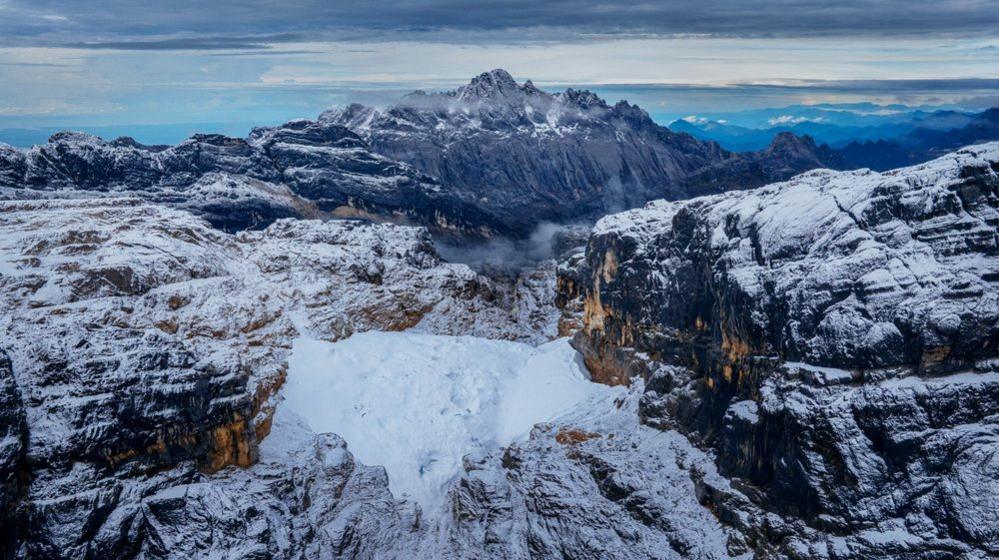
The images show the glacier receding and thinning over five years, with a lake now covering the former ice margin.
Contact and Further Reading
For more information, visit the Glacier Monitoring Switzerland website or the Future Earth newsletter.