In brief
A catastrophic flash flood on the Nepal‑Tibet border on 26 August destroyed villages and filled a hydropower tunnel with water and debris. Two workers, Sanjaya Shah and Kabir Maharjan, were pulled out alive on Friday, while the body of a third was recovered at the same site. Yet rescue teams are still searching through the Trishuli 3A tunnel and 19 other locations for an estimated 150 people believed trapped by mud and collapsed rock. The disaster has left 1,311 confirmed dead in Nepal and 5,330 missing, with 31 deaths and 531 people unaccounted for on the Tibetan side. Scientists point to a glacial collapse and climate change as likely triggers, stressing the need for stronger early‑warning systems.
A torrent that rocked the valley
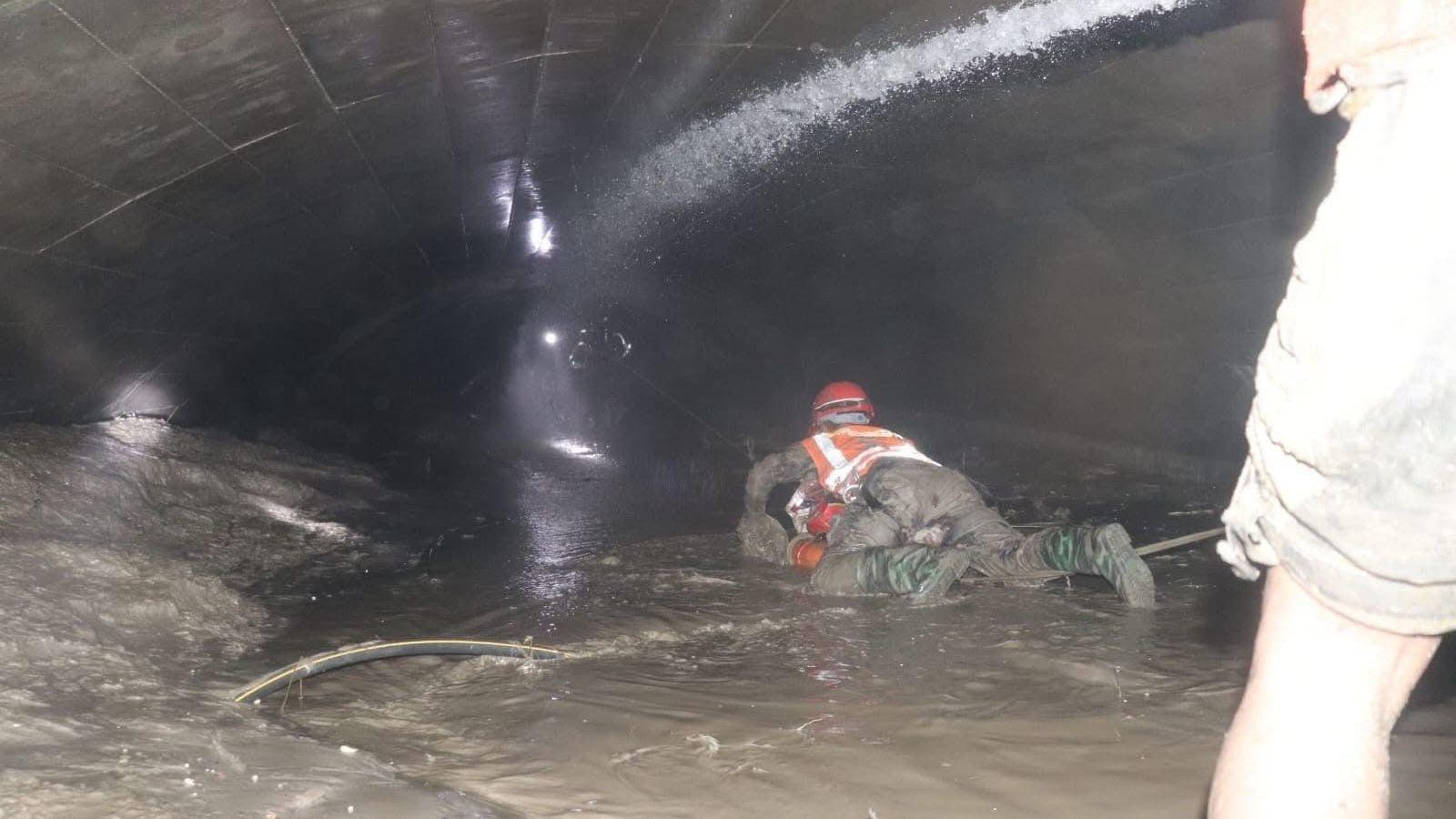
On the night of 26 August, a flash flood—believed to have been triggered by a glacial collapse—sent a wall of water and debris rushing through the Trishuli valley. The sudden deluge washed away entire villages and filled the 3‑A hydropower tunnel with mud, rocks and remains.
Hope, but uncertainty
Nine days after the disaster, two workers were rescued from the flooded tunnel on Friday. Sanjaya Shah and Kabir Maharjan, both injured from crawling through the wreckage, were air‑lifted to an army hospital in Kathmandu and are receiving treatment. A third body was recovered later that day; authorities could not immediately identify him and it remains unclear whether he survived the flood.
Rescuers say they suspect as many as 39 people were trapped in the Trishuli 3‑A tunnel alone, but the danger of further collapse and the sheer volume of mud make every entry a risky operation. Workers have had to dig access holes and pump air into the tunnel, while bulldozers clear debris that blocks passage.
Numbers that count the cost
In Nepal, the death toll now stands at 1,311; 5,330 people remain missing, a figure that includes hundreds of foreign nationals from 34 countries. On the Tibetan side, Chinese state media report 31 deaths and 531 people unaccounted for, though details are scarce and footage is heavily censored.
The rescue effort has expanded beyond the Trishuli tunnel, with teams scouring 19 other sites where workers are feared trapped. Despite limited access, engineers have been pumping oxygen and attempting to restore air flow to keep trapped workers alive.
Looking ahead
Scientists say a glacial collapse, potentially accelerated by climate change, may have been the root cause of the disaster. Experts urge stronger early‑warning systems and better hydropower tunnel safeguards to prevent such tragedies in the future.
Meanwhile, Nepal’s government warns that the rainy season could bring additional flooding. Communities along the river are on high alert as rescue teams press on, hoping to locate more survivors before the next wave of water reaches them.