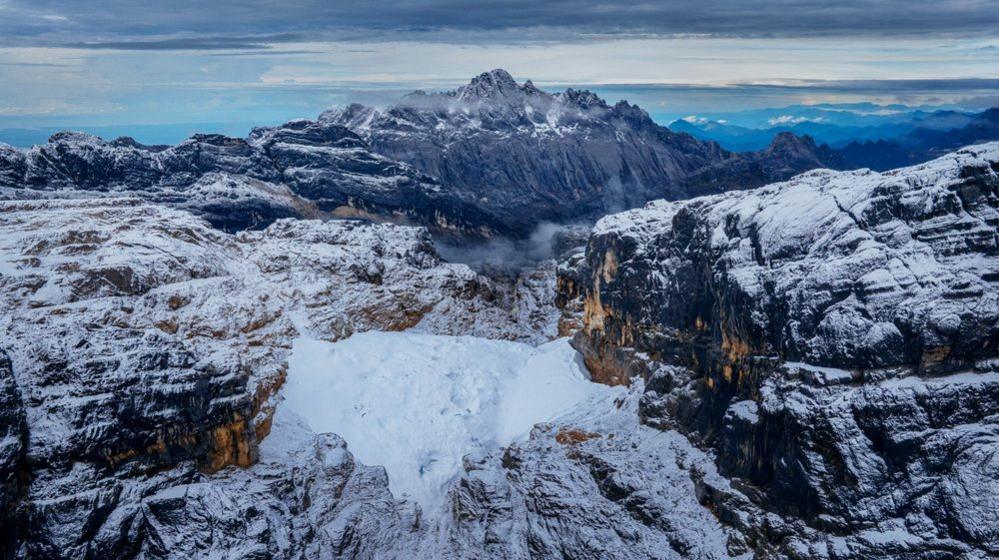
High above the equator, the Sudirman Range of Papua—Indonesia’s second‑largest island—has long been crowned by “eternal snow.” Yet over the past four decades the ice that once covered four of its peaks has almost completely vanished.
Historical claims show that in the 19th and early 20th centuries the range held about 1,900 hectares of permanent ice. Today that area has shrunk to a mere 16 hectares—about 40 acres—mainly around Puncak Jaya (Carstensz Pyramid). Experts predict the remaining patches will disappear within a year or two.
Scientists from across the globe have turned to these tropical glaciers because they preserve untouched climate records in their ice cores, offering data on atmospheric conditions in an otherwise record‑scarce region. When a researcher, Marie Šabacká, trekked to Puncak Jaya in March, she noted how uniquely isolated these glaciers are, lying thousands of kilometres from any other mountain ice.
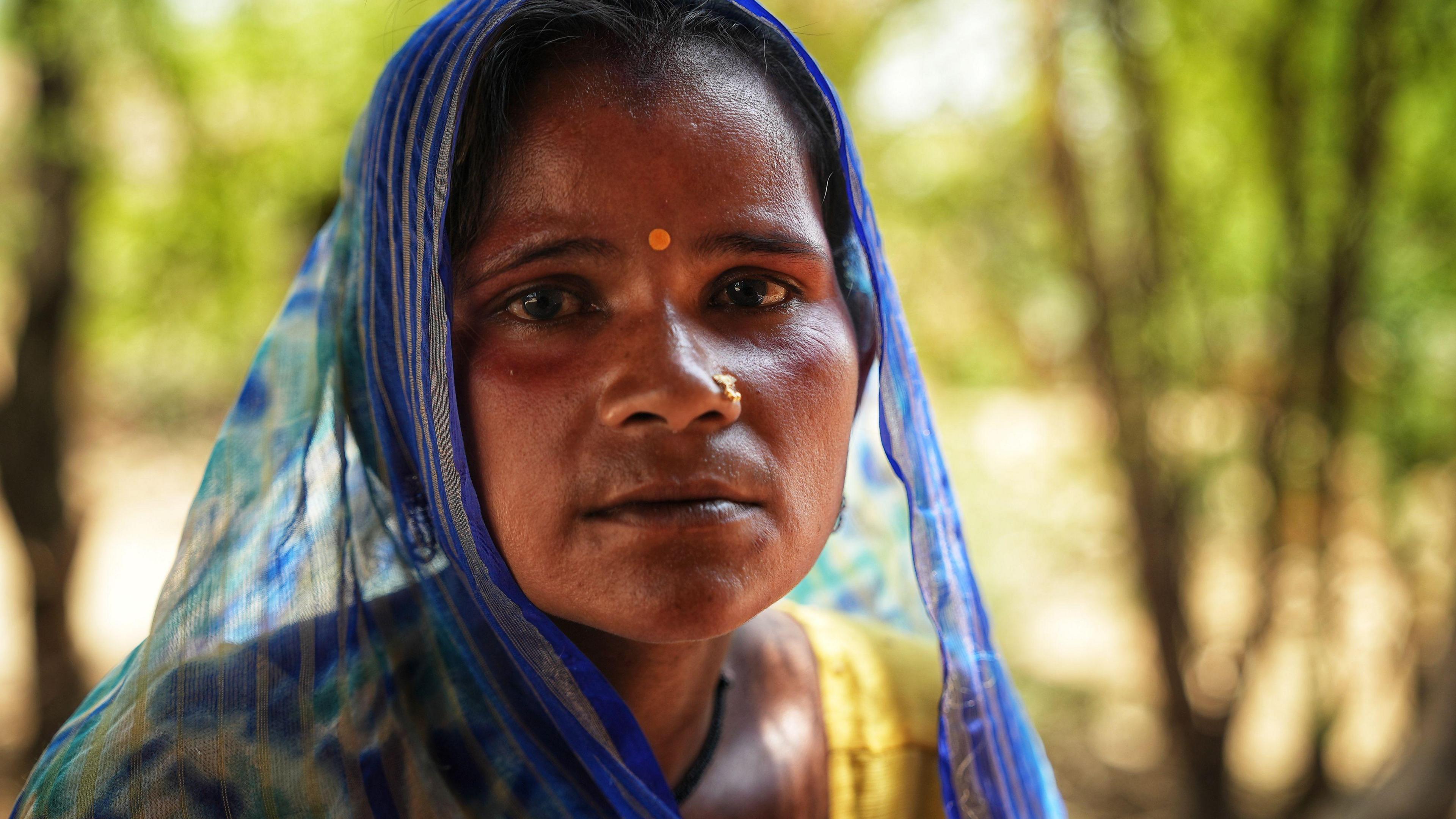
But the shrinking glaciers are more than scientific windows. For at least five indigenous groups—the Moni, Amungme, and others—the mountain is a spiritual anchor. The people call the peak “Nemangkawi” or “White Arrow,” a symbol of honesty and moral integrity. “When the mountain loses its ice, it feels like Mecca being destroyed,” says Amungme activist Adolfina Kum.
Papua’s rapid industrial development adds another layer of concern. Extensive copper and gold mining—such as the Grasberg mine run by Freeport—have reshaped valleys, removed mountain faces, and sometimes displaced communities. The economic benefits are contested; while some laud improved infrastructure, others lament environmental erosion.
In parallel, climate scientists warn that local warming is echoing a global trend. A modest rise in temperature pushes moisture from snow to rain, accelerating glacier melt. El Niño episodes can flip precipitation regimes, giving eastern Papua a cruel dose of heat. The Sudirman Range’s loss proves that even the world’s most persistent ice can succumb to a warming planet.
With drone mapping and 3D modelling, researchers are racing to capture the island’s last glacial veneer. Data shows a 95% reduction between the early 2000s and 2025. While the scientific community gathers the last data before the final thaw, the cultural ramifications linger—destroyed landscapes, lost rituals, weakening of cultural anchors, and a stark reminder of climate urgency.