In brief
A massive flash flood swept through a Himalayan valley last week, killing at least 1,200 people in Nepal and leaving more than 4,200 missing. The UN’s Office for the Coordination of Humanitarian Affairs (OCHA) reports that the flood was triggered by a glacial collapse, and that rescuers must contend with over 40 destroyed bridges across the border. Nepal’s government has declared a disaster in 15 districts and launched a four‑month humanitarian appeal, while foreign aid agencies and the army work to deliver supplies and re‑open the Gyirong border crossing. The tragedy has left thousands homeless, with schools repurposed as shelters and health facilities damaged, heightening the risk of disease during monsoon season. Pressed for answers, Nepal’s prime minister urged the international community to act on climate‑driven risks that underpin such unprecedented disasters.
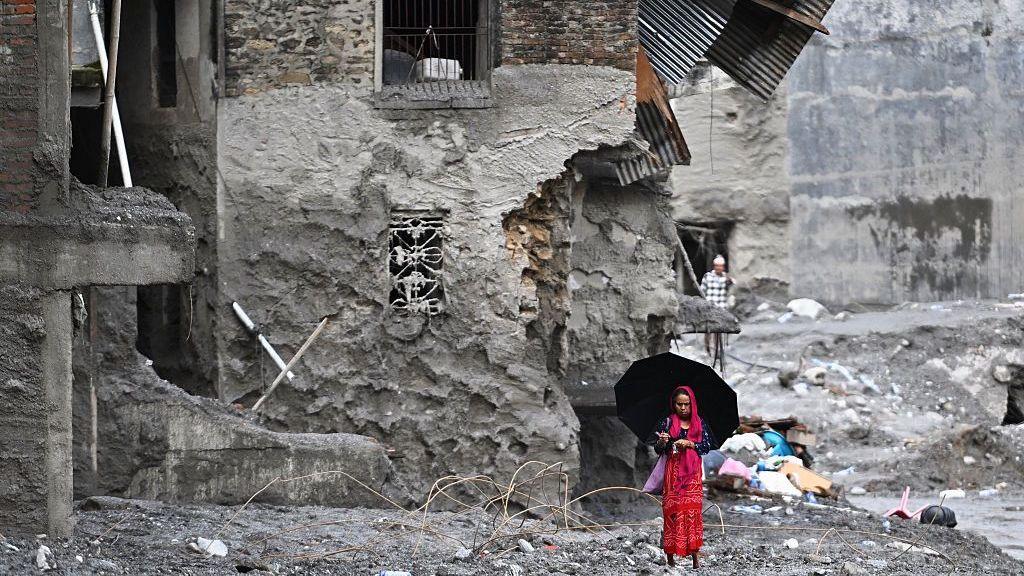
Triggered by a collapsed glacier, a sudden flash flood swept through a Himalayan valley on 26 August, demolishing villages and inflicting a toll that may rise sharply.
At least 1,200 people have died in Nepal, with more than 4,200 still missing. On the Tibetan side the death toll reached 21, and more than 540 are unaccounted for, according to Chinese state media.
Rescue efforts continue in challenging terrain. Soldiers, helicopters and heavy machinery work around the clock to break debris, rebuild over forty destroyed bridges and clear the Gyirong border crossing. Scientists estimate that the glacier collapse created a massive wall of water that surged downstream, leaving thousands stranded.
The UN’s Office for the Coordination of Humanitarian Affairs (OCHA) says access is the main hurdle, with many remote communities relying on army airtankers for supplies. The flood has left over 3,500 people displaced, many of them booked into overcrowded school shelters, heightening the risk of disease during the monsoon.
Prime Minister Balendra Shah stressed the importance of protecting survivors’ lives and said Nepal would bring medical treatment and psychological counselling to affected areas. He also called for a stronger global response to climate‑driven risks that have increased the likelihood of such disasters.
In response, the Nepalese government and the UN launched a four‑month humanitarian appeal to provide financial aid for the deceased families, the relocation of the displaced and the deployment of the army to secure affected zones.