In brief
2025 has been a tumultuous year for democracy in Africa, with significant incidents such as violent protests in Tanzania against perceived electoral fraud and ongoing military consolidations in the Sahel region. While some nations showed resilience with peaceful transfers of power, analysts express concerns about the broader implications of stalled democratic progress and the rise of authoritarian governance amid youth dissatisfaction and economic challenges.
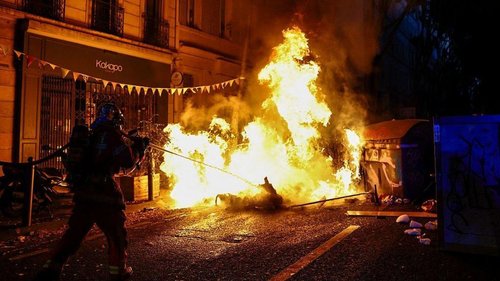
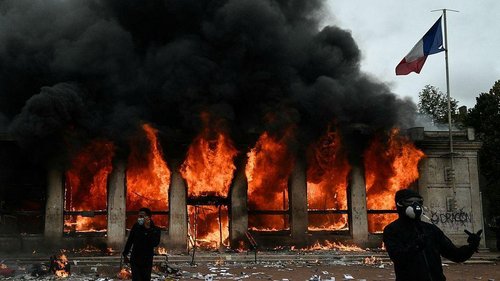
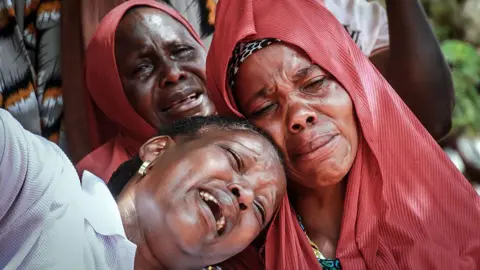
October's shocking events in Tanzania offer a snapshot of the tensions which have shaped a difficult year for African politics.
Demonstrators were shot dead by police while protesting against what they perceived as a rigged election—an outcome that garnered condemnation from regional and continental bodies and shattered Tanzania's reputation for peace. With opposition candidates either imprisoned or barred from running, President Samia Suluhu Hassan was elected with an extraordinary 98% of the votes, signaling a retreat from previous democratic advancements.
This disconnection between the ruling class and the citizenry starkly highlights the political climate across Africa. As military leaders solidified their power in several nations, analysts warn that 2026 could witness even more upheaval.
Mo Ibrahim, founder of the Mo Ibrahim Foundation, alerted that progress in governance has stagnated compared to the previous decade, as rising costs of living have inflamed public dissatisfaction. He acknowledged that the trends of increasing coups and the closing of political space point to a deeper governance crisis.
Despite these challenges, some signs of democratic progress emerged with peaceful transitions in countries like Malawi—where former President Peter Mutharika reclaimed power—and Seychelles, where a long-standing party returned to office amidst dynamic electoral challenges.
However, observers note the alarming consolidation of military governments in the Sahel region, with Mali, Niger, and Burkina Faso forming their alliance following respective coups. This shift underscores the rising dominance of authoritarian rule amid a youth population increasingly demanding change but facing leaders resistant to reform.
The protests in Tanzania and Cameroon showcase youth mobilization, reflecting a broader pattern of demand for transparency and accountability. In Madagascar, a wave of protests resulted in a government reshuffle, resulting in a coup that ultimately led to new military leadership—a reminder to Malawi's leaders of the need to heed public grievances.
With further elections approaching, including Uganda's scheduled for January, key questions arise about government responsiveness to youthful demographics which are becoming the majority population. As voices for democracy continue to resonate, Africa stands at a crossroads, where government actions in the coming years will determine the future trajectory of governance across the continent.