In brief
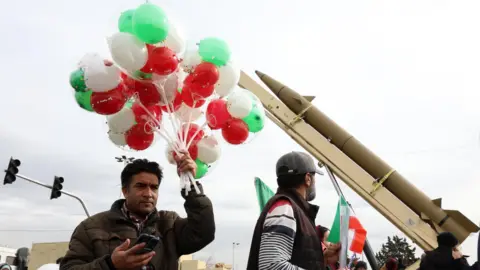
On the 47th anniversary of the Islamic Revolution, Tehran's streets were filled with celebrations, yet underlying voices of dissent were prominent, as citizens grappled with economic hardship and a harsh crackdown on dissent following last month's protests. The anniversary festivities were juxtaposed with chants of 'death to the dictator', signifying a rift between the government's narratives and the people's frustrations.
When clocks struck nine across Tehran on Tuesday, the night skies filled with sound in celebration of the 47th year of the Iranian revolution. We listened from our hotel balcony as chants of 'God is greatest' rose from rooftops and roared from windows. Fireworks flared in a kaleidoscope of brilliant colors.
But this year, in this annual explosion of light and sound, there was a discordant note. We heard 'death to the dictator' shouted too from somewhere in the darkness of the city, from the safety of spaces indoors. It was a dramatic echo of the extraordinary wave of protests, which swept some streets and squares of Tehran and towns across the country last month.
These protests were met with unprecedented lethal force, resulting in significant loss of life unseen in previous uprisings. Events in Tehran show a city in celebration yet saturated with discontent and frustration over rising prices and calls for an end to clerical rule, complicating an atmosphere often dominated by spirited nationalistic fervor.
Amidst the exuberance at the rallies, voices of protest were omnipresent, underscoring the government's challenges as it faces a populace bearing the brunt of economic hardships worsened by severe sanctions. The Islamic Republic finds itself at a crossroads, where echoes of a past revolution meet the harsh realities of current struggles.