MINNEAPOLIS (AP) — The Trump administration’s drawdown of its immigration enforcement surge in the Twin Cities area has been met with relief, but state officials and residents say its effects on Minnesota’s economy and immigrant communities will linger.
Thousands of officers were sent to the Minneapolis and St. Paul area for Operation Metro Surge, which the Department of Homeland Security termed its largest immigration enforcement operation ever, but the operation has faced increasing criticism and pushback.
Local concerns heightened following the violent shooting deaths of U.S. citizens Renee Good and Alex Pretti by federal officers, leading to condemnation of the officers’ conduct and calls for changes in the operation.
State leaders, including Governor Tim Walz, urge the public to remain vigilant despite the end of this operation, emphasizing the need for oversight and protection in local communities.
Drawdown After Improved Coordination
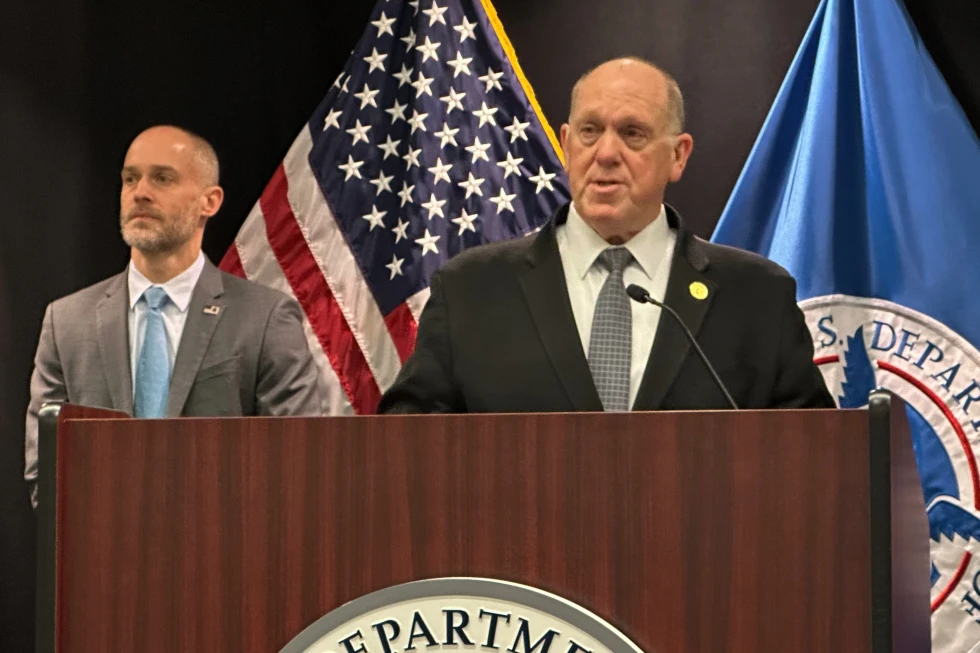
Tom Homan, appointed as Border czar, indicated that collaboration with state and local officials contributed to the operation's ending. However, he noted that certain levels of enforcement would continue in Minnesota with a reduced presence.
Homan mentioned that he made various changes since his arrival to address misconduct and that a small team would remain to ensure ongoing cooperation with local authorities as the drawdown continues.
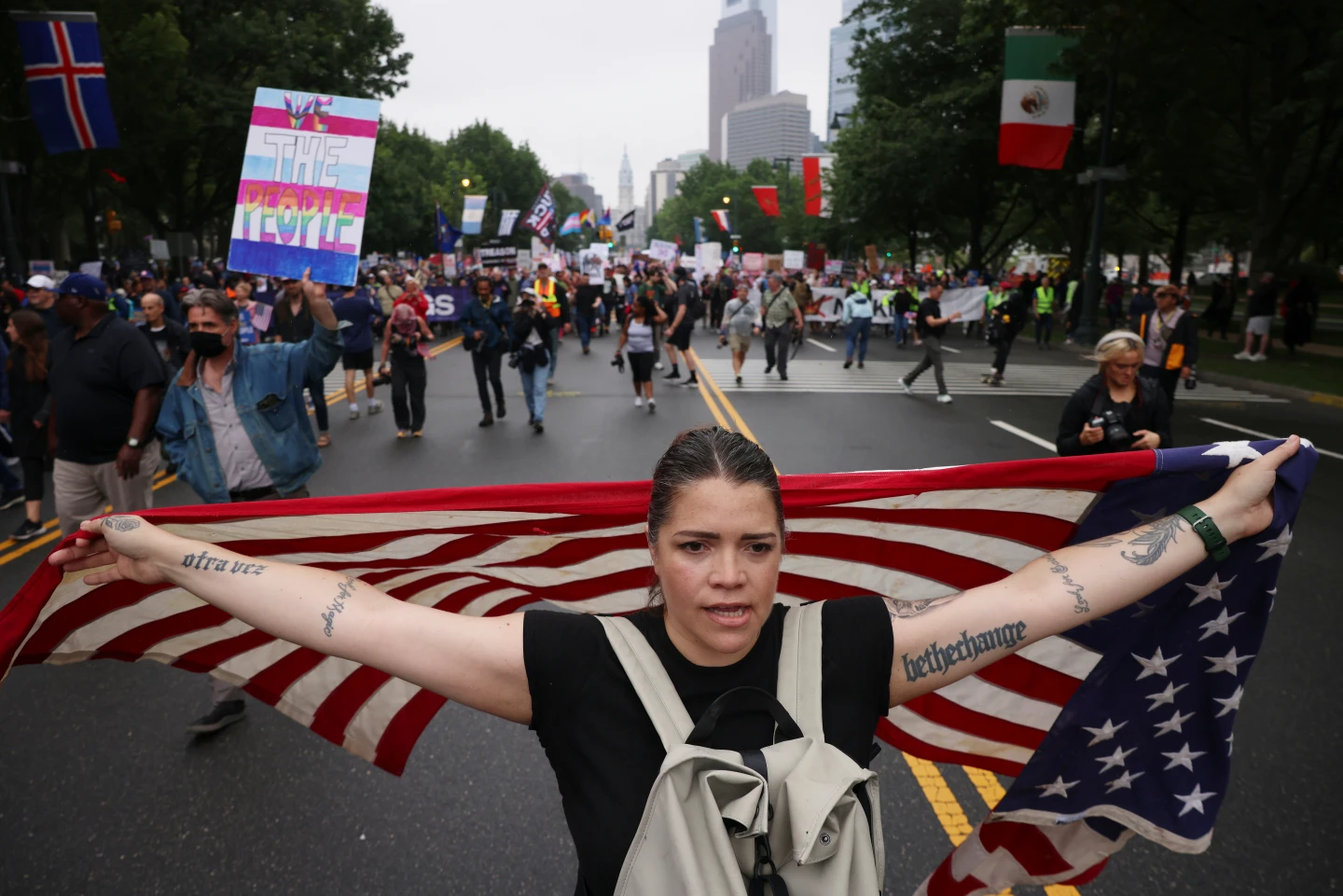
Concerns remain among residents about the lingering presence of federal officers, with local vigils held to commemorate victims of the enforcement surge. Many residents question the effectiveness of the operation’s claims of increased safety and distrust the federal government’s narrative regarding the impacts of the immigration enforcement actions.
Ultimately, while the formal drawdown of operations brings relief to many, the conversations surrounding trust, safety, and community well-being indicate that the effects of heightened immigration enforcement will be felt for some time to come.