In brief
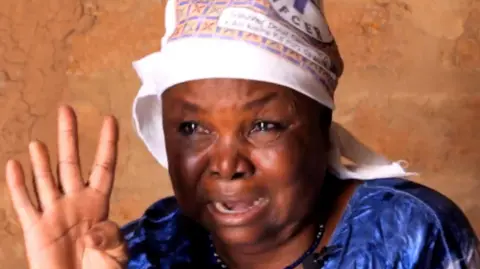
Yameogo Aminata, a 57-year-old mother, recounts the tragic loss of her four sons, killed by jihadists in Burkina Faso. After enduring violence and losing her child during an attack, she fled to a refugee camp in Ivory Coast, where she now lives among thousands displaced by ongoing conflict. As the region grapples with the repercussions of terrorism, she expresses her gratitude for shelter while struggling with the memories of her past.
Warning: Readers may find some of the content distressing
Sitting in a dim room at a refugee camp in Ivory Coast, Yameogo Aminata, 57, recalls the murder of her four sons by jihadists in her home country, Burkina Faso. In 2022, while she was away, armed insurgents terrorized her village, killing many residents, including her children aged between 25 and 32. They slit the throats of four of my children, she told reporters. As she arrived, chaos ensued, and she witnessed her fourth son being killed.
Despite attempting to fight back, Aminata was overpowered and suffered severe injuries during the attack. Separated from her daughter, who has been missing since, she finally fled to Nioronigué camp in Ivory Coast in 2023, carrying the bloodied clothes from that tragic day as a grim reminder of her past.
I don't know how to handle my life. I have nothing, she expressed, reflecting the plight of many who have been affected by the ongoing insurgency that has claimed over 10,000 lives in the region. The United Nations has labeled the Sahel region as the epicentre of global jihadist violence.
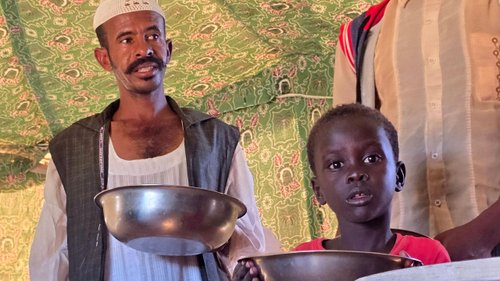
Aminata's story is one of countless others in the camp. Many refugees have fled from Burkina Faso and neighbouring Mali, escaping violence that has shattered their lives. New arrivals are straining resources at the Nioronigué camp, which was designed for 6,000 people but currently shelters about 13,000. Despite their struggles, Aminata remains grateful for the shelter provided by Ivory Coast, saying, I thank the state of Ivory Coast, and all the Ivorians.
As Aminata and many others attempt to start anew, the memories of their past linger heavily, with hopes for peace in their homeland still firmly in their hearts.