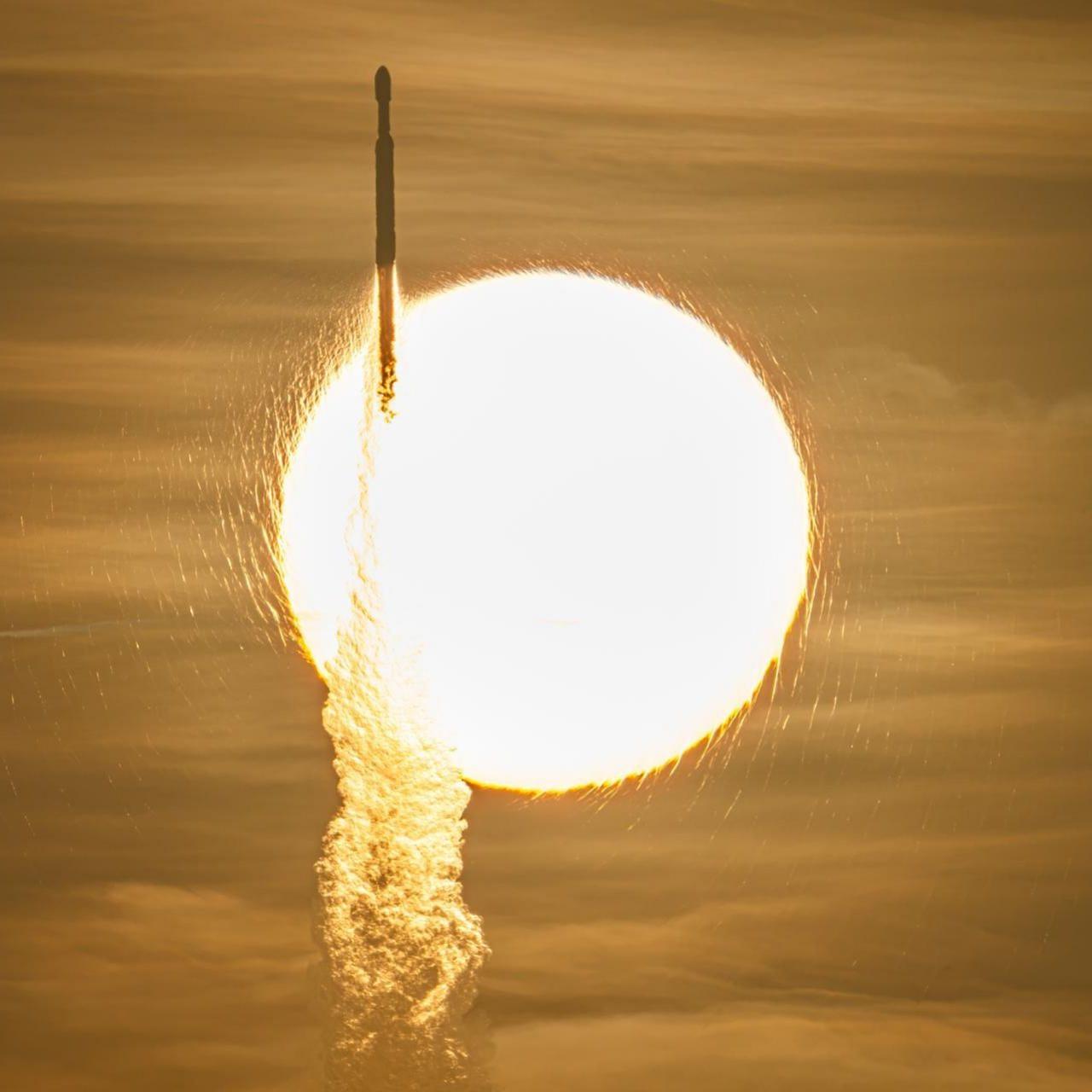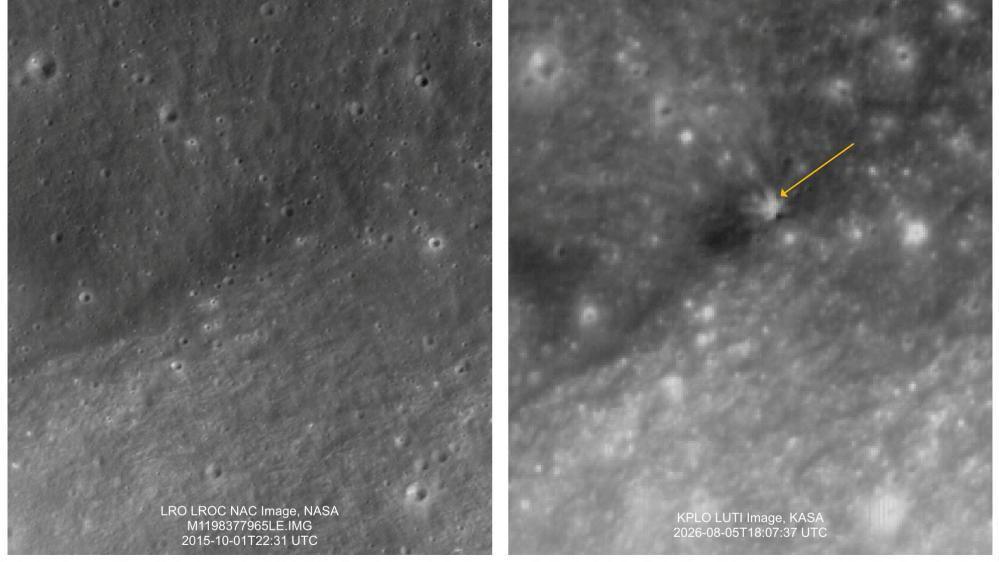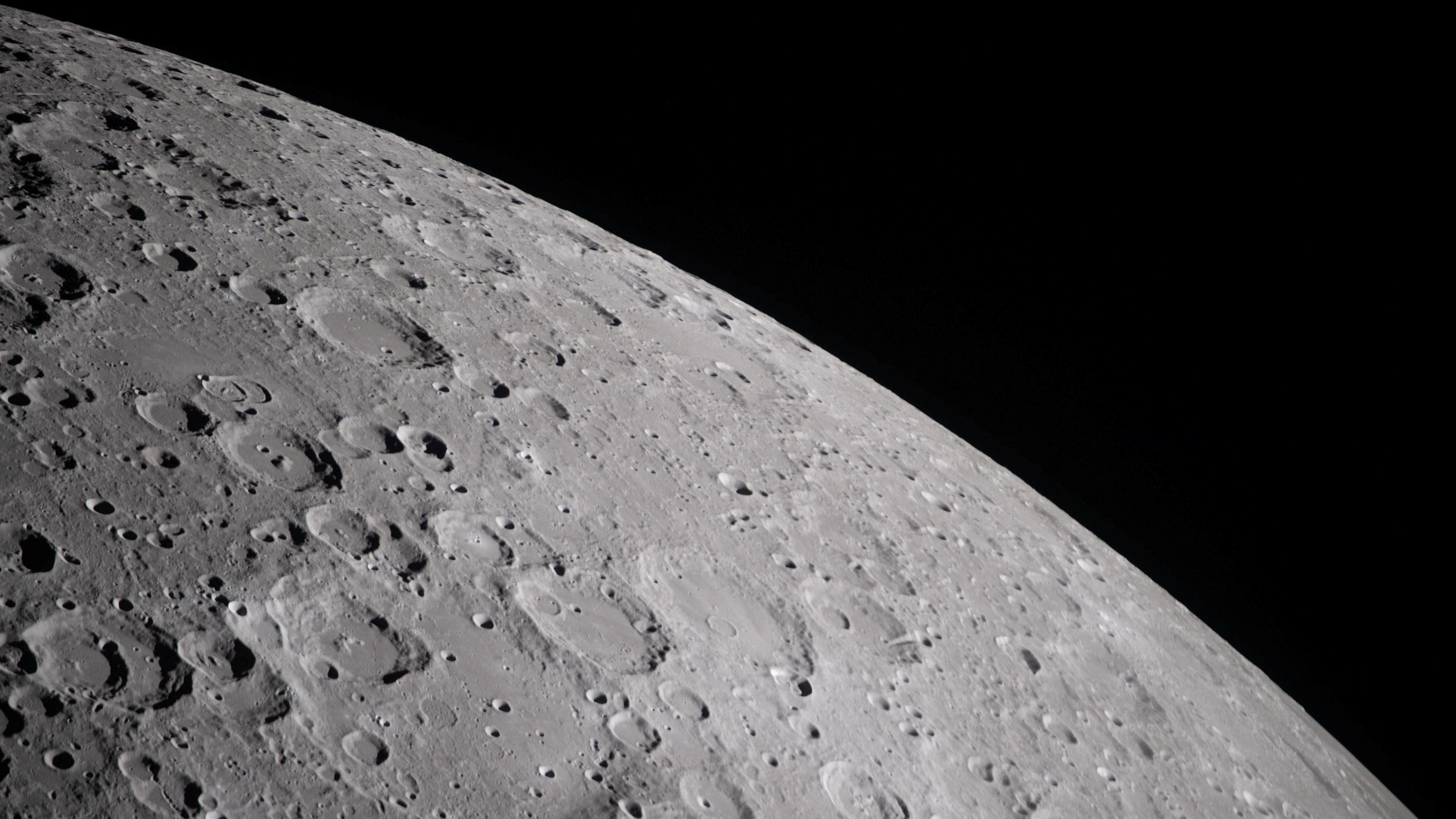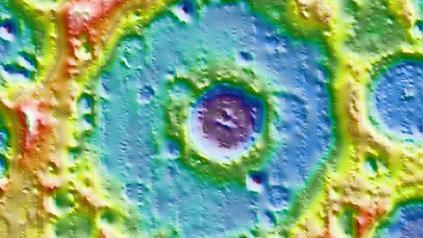
A stray SpaceX Falcon 9 upper stage collided with the Moon on Wednesday 5 August 2026, forming a fresh crater near the Einstein crater.
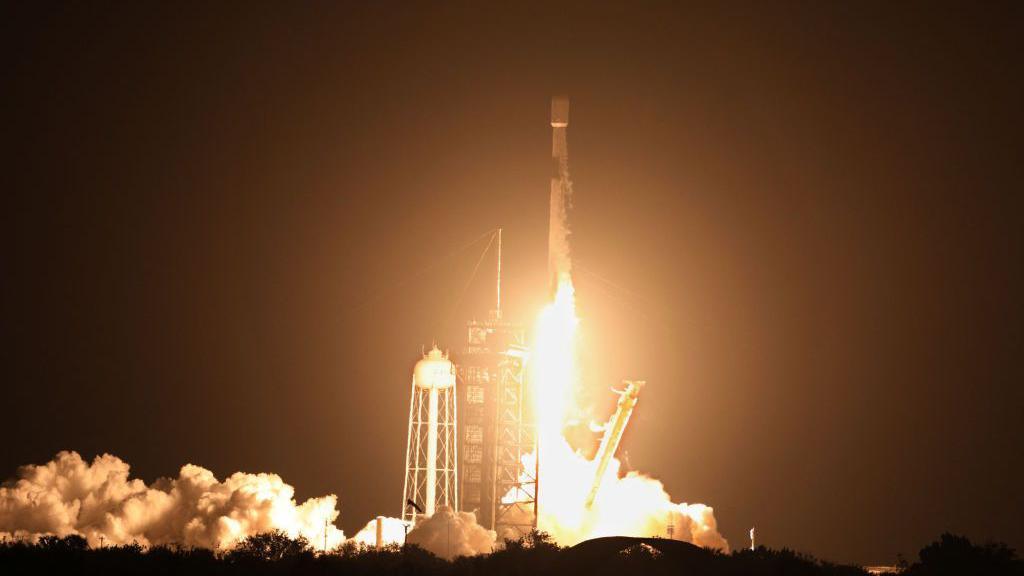
The 4,000‑kg stage – about the height of a five‑storey building – was launched from Florida in January 2025 and used to transport two lunar landers on a mission to the Moon. After shedding its upper stage, the rocket drifted into a looping orbit that slowly tilted towards the Moon, picking up speed to around 8,700 km/h (5,400 mph) before striking the lunar surface.
The impact occurred at approximately 07:35 BST on a day when the crater area was illuminated by sunlight, so the brief flash produced was too faint to be seen by most observers, even with high‑end telescopes.
Scientists are treating the event as a “controlled experiment.” Because the exact timing, speed, target coordinates and size of the impacting body are known, research teams can use the new crater to test crater‑formation models, quantify debris fields and measure seismic waves across the Moon’s interior.
Ground‑based observatories in the Americas, where the Moon’s night sky was still dark, are already processing high‑resolution images. NASA’s Lunar Reconnaissance Orbiter will take detailed photographs of the new crater in the coming days, allowing scientists to compare pre‑ and post‑impact imagery.
The resulting data will inform the design of future lunar landers and surface habitats by revealing how far dust and rock can be thrown upward and how much a crater surface can shake nearby.
This is not the first instance of a human‑made object hitting the Moon. The Soviet Luna 2 probe, several NASA Ranger spacecraft, the Apollo launch‑vehicle stages, and the 2009 LCROSS mission all impacted the lunar surface deliberately or accidentally. The last confirmed accidental impact occurred in 2022, traced to a Chinese lunar mission booster launched in 2014.
With the Spacex impact now documented, lunar science enters a new era where paid‑for impacts can generate controlled data, boosting understanding of the Moon’s geology and aiding the planning of long‑term exploration.