In brief
A portion of a SpaceX Falcon 9 rocket slipped through a launch trajectory and slammed into the Moon near the Einstein crater, making a 14‑metre impact at about 5,400 mph. The event, which missed earlier detectors, produced a tiny but bright flash and a dust plume expected to travel up to 100 km. Though too faint for amateur telescopes, the impact will be recorded by the Lunar Reconnaissance Orbiter and high‑resolution observatories on Earth, offering the first controlled experiment where the impactor’s mass, speed and exact point are known. Scientists will use the data to refine models of crater formation, ejecta spread and seismic waves, insights that could improve future lunar lander safety and base design.
Stray SpaceX Rocket Hits the Moon, Creating a New Crater
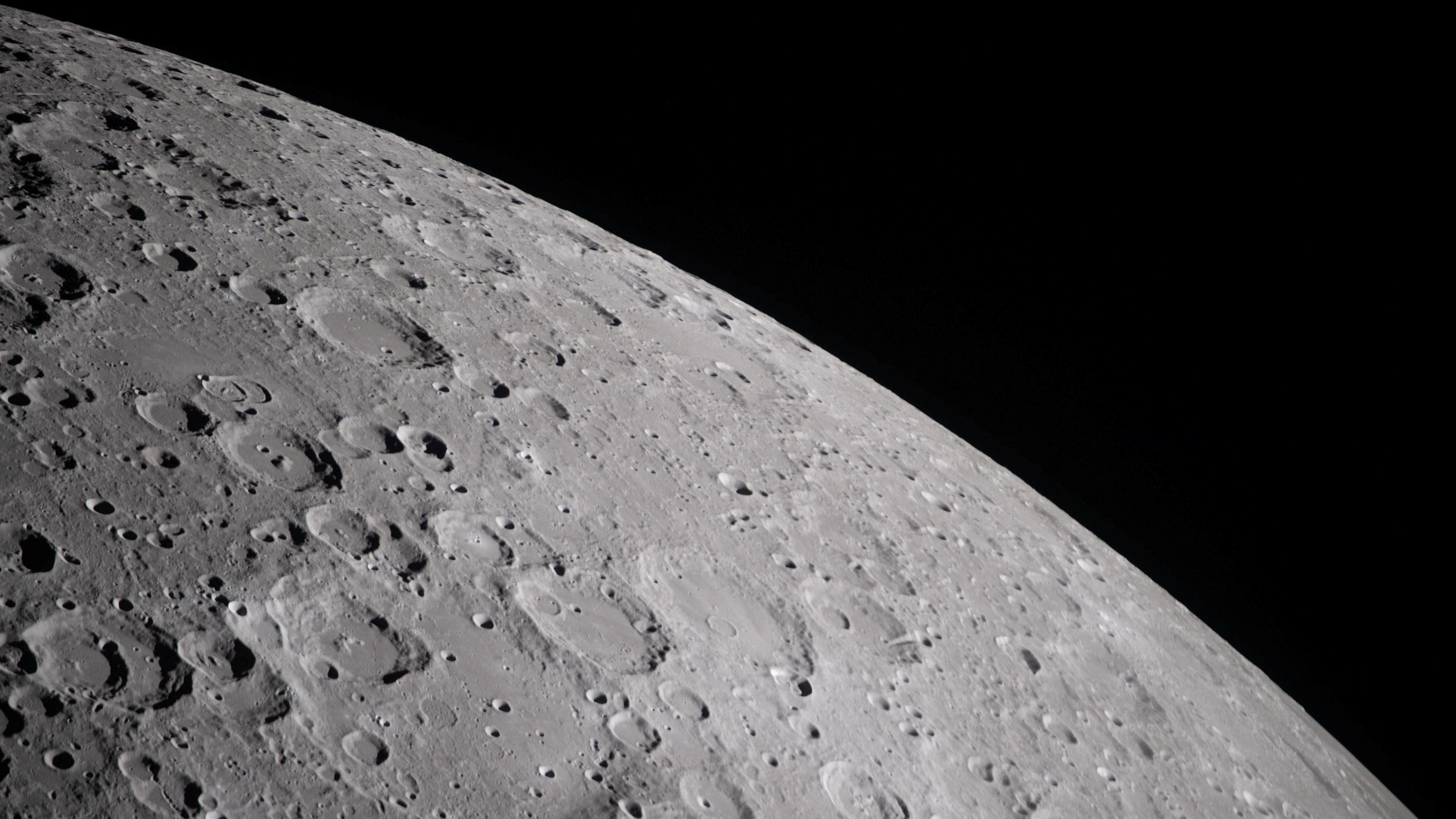
This Wednesday, the upper stage of a SpaceX Falcon 9 rocket, left over from a January launch carrying lunar landers, impacted the Moon near the Einstein crater at a speed of about 5,400 mph (8,700 km/h). The 14‑metre fragment struck the illuminated surface, generating a brief flash that would have been invisible to amateur telescopes and only detectable by large observatories or a dust plume up to 100 km in length.
The event is the first confirmed accidental impact since 2022, when a Chinese spacecraft's booster hit the Moon. Because the impactor’s size, velocity, and exact coordinates are known, scientists have a rare laboratory to study how impacts carve craters, eject material, and trigger seismic waves on the lunar surface.
NASA’s Lunar Reconnaissance Orbiter will photograph the site within days, providing before‑and‑after images. Planetary geologists will analyze the new crater to test crystallographic models, measure ejecta fields and assess how much rock is thrown into space. These findings will guide engineers in designing safer landers and future moon‑base infrastructure, helping predict debris trajectories and surface stability.
While the collision was accidental, it echoes centuries of lunar debris hits, from Soviet Luna probes to Apollo rocket stages. Each impact adds a new layer of data on the Moon’s geology and the Earth‑Moon system’s 4.5‑billion‑year history.