In brief
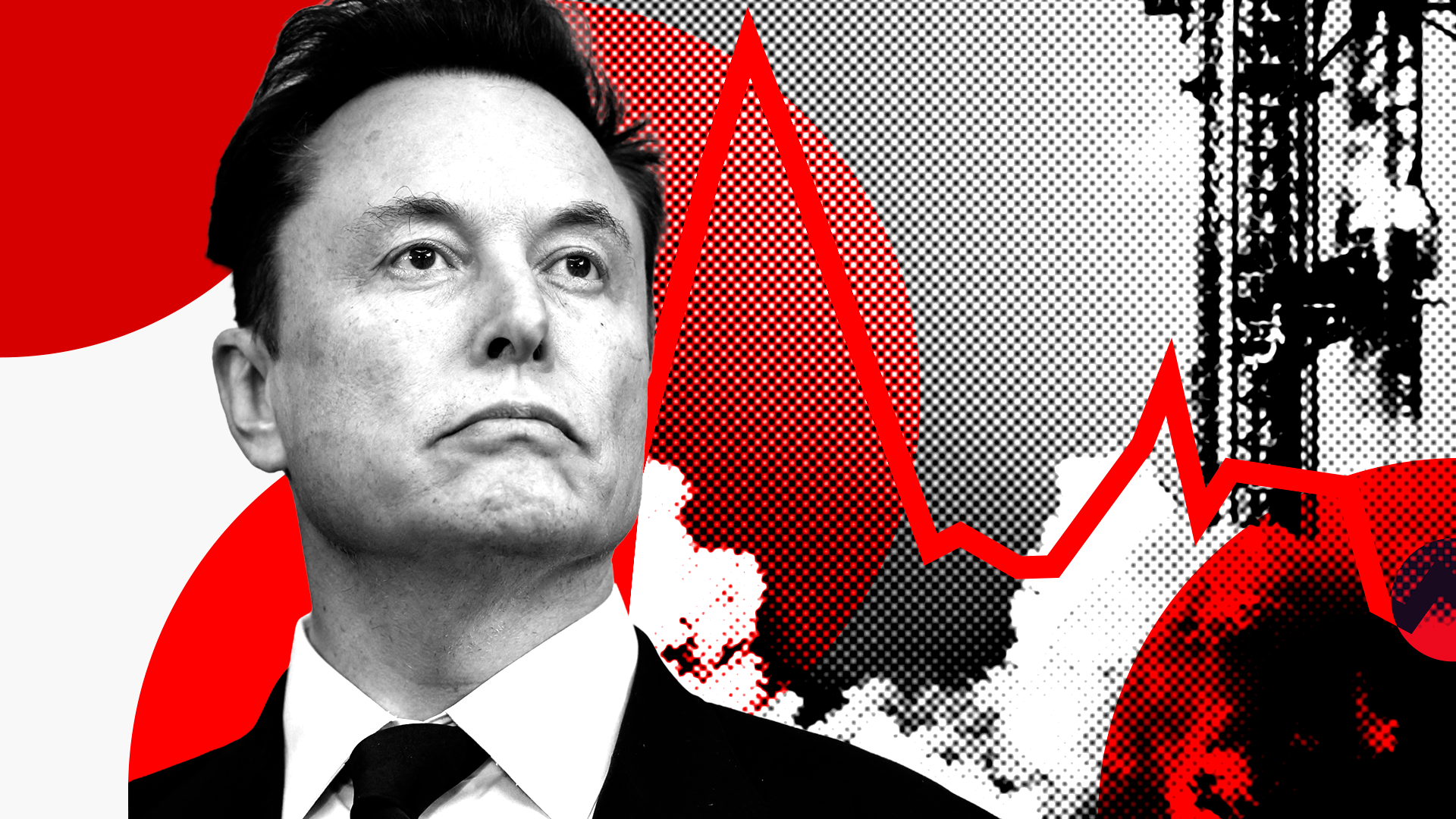
SpaceX’s IPO on 12 June sparked an investor frenzy, with shares hitting $176 on the first day and climbing to $225 the following week before settling near $145, 18% below the rally peak. The excitement was partly fueled by Musk’s AI ambitions and the company’s recent acquisition of AI start‑up Cursor. Retails now face a potential loss, as the share price has slipped close to $115 in some analyses. Market analysts warn that a forthcoming earnings report could trigger further swings, but the company’s projected $1 trillion annual revenue suggests long‑term growth prospects remain compelling.
SpaceX’s debut on the Nasdaq on 12 June ignited a frenzy of investor enthusiasm, pushing the shares from a $135 price tag to $176 on the first day, then surging to an intraday high of $225 the following week. The meteoric rise reflected not only Elon Musk’s brand power but also a surge of interest in the company’s AI ventures, following its acquisition of the AI start‑up Cursor.
By the end of its first month, the shares were trading around $145, a drop of roughly 18% from the peak and 35% from the all‑time high. This has put retail investors who bought on the launch into the “underwater” zone, with some analysts warning that the price could slide to about $115 in the next wave.
The volatility has shown the mix of meme‑stock speculation and genuine investor interest in SpaceX’s core businesses—rocketry, Starlink satellite internet, and the newly formed SpaceXAI. The company posted $18 billion in revenue last year but remains a loss‑maker, though Musk forecasts $1 trillion in annual revenue by 2030.
Morgan Stanley has set a target price of $300 for SpaceX, 33% above the current high, signalling optimism about future earnings. Market watchers anticipate the first earning report to be issued in early August, after the lock‑up period expires and insiders can start selling shares. The earnings release could confirm the company’s business model and push the stock higher, but the market remains cautious amid rapid swings after the launch of the AI chatbot Grok and pricing changes for Starlink in Memphis.
While the IPO’s initial euphoria has faded, SpaceX is still seen as a high‑profile player in the tech and aerospace sectors. Investors will be watching closely as the firm moves from a speculative launch to delivering concrete financial and product outcomes.